

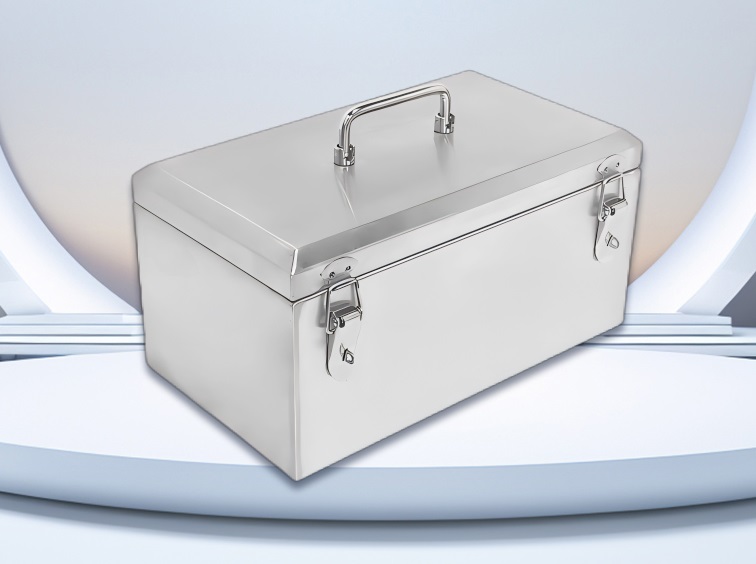
Under Bed Storage Hardware Kit – SUS304 Draw Latch, Handle and Hinges
Applicable Buyers: Furniture OEM/ODM manufacturers | E-commerce brand owners (Amazon/Wayfair/ManoMano) | Project contractors (apartments/hotels/dormitories)
1. Typical Application Scenario
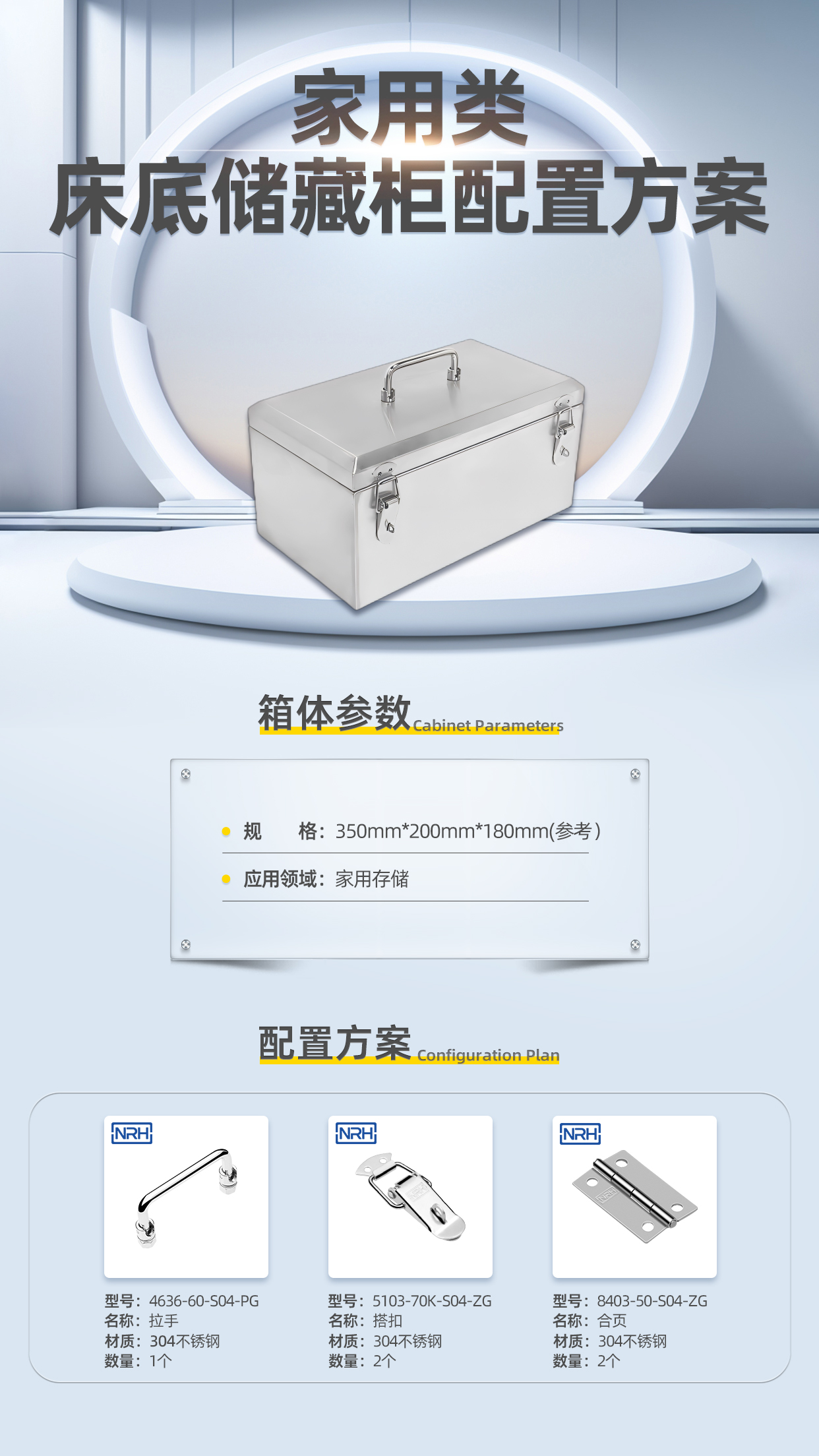
Product: Under-bed Storage Cabinet – a space-saving furniture solution for small apartments and residential units, designed to utilize the vertical space beneath beds for storing infrequently used items.
Typical Cabinet Specifications:
| Parameter | Specification |
|---|---|
| External Dimensions | 350mm (L) x 200mm (W) x 180mm (H) |
| Structure | Top flip-lid type |
| Storage Contents | Towels, underwear, socks, small tools, medications, cosmetic supplies |
| Opening Frequency | 2-5 times per week |
| Design Load | 15-25kg |
| Placement Environment | Indoor floor, low-clearance space, relatively humid |
Scenario Constraints:
- The cabinet sits directly on the floor with limited ventilation – moisture tends to accumulate, particularly in humid climates or on non-elevated ground floors;
- Cabinet height is only 180mm, limiting operating space – handles must be ergonomically designed for quick finger engagement;
- Cabinets may be dragged or moved during use – latch locking mechanisms must withstand vibration.
Based on these constraints, cabinet hardware must satisfy three core requirements: corrosion resistance, precision fit, and long-term durability. Moisture protection is the primary constraint, directly determining product service life and end-user satisfaction.
2. Hardware Kit Configuration
Complete hardware solution for the specified under-bed storage cabinet:
| No. | Model | Type | Material | Finish | Qty | Function |
|---|---|---|---|---|---|---|
| 1 | 4636-60-S04-PG | Pull Handle | SUS304 | Polished | 1 | Flip-lid opening grip |
| 2 | 5103-70K-S04-ZG | Draw Latch | SUS304 | Vibratory Grinding | 2 | Lid lockdown during transport |
| 3 | 8403-50-S04-ZG | Hinge | SUS304 | Vibratory Grinding | 2 | Flip-lid rotation joint |
Note: This three-piece kit constitutes a complete hardware solution for the specified cabinet size. Custom sizes, materials (mild steel/zinc-plated/201 stainless steel), or non-standard hole spacing available upon request.
3. Technical Specifications
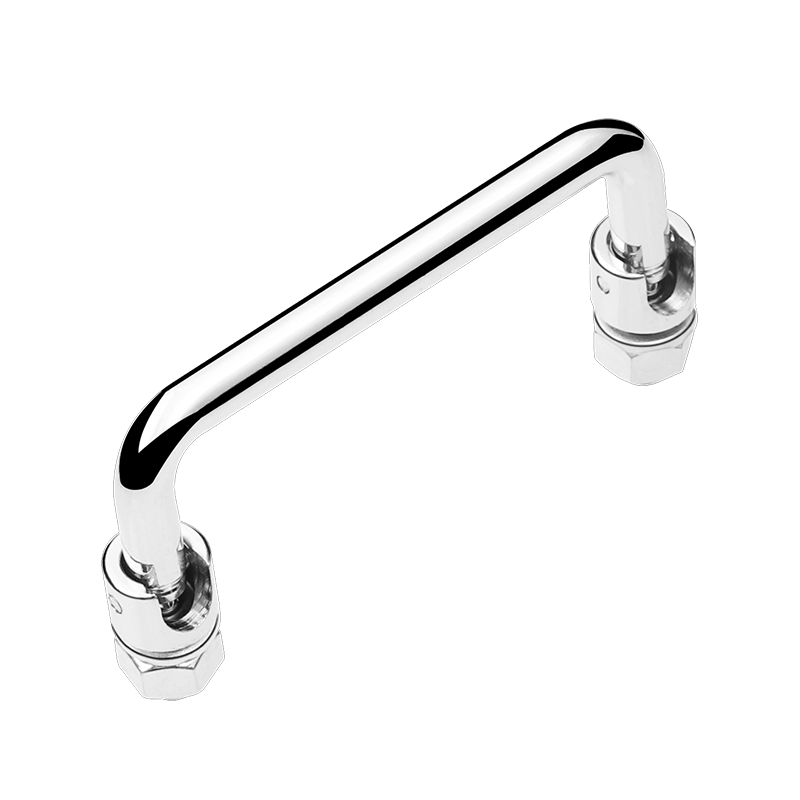
3.1 Pull Handle – NRH 4636-60-S04-PG
| Parameter | Specification |
|---|---|
| Material | SUS304 Stainless Steel (AISI 304 / GB 06Cr19Ni10) |
| Finish | Polished |
| Vertical Static Load | 37kg |
| Overall Dimensions | 66mm x 26.5mm |
| Mounting Hole Centers | 60.5mm |
| Mounting Hole Diameter | 2-ø5.5mm |
Design Features: Exposed arc-shaped design with ample finger clearance for quick engagement – ideal for low-clearance operation at 180mm cabinet height. SUS304 polished finish resists hand sweat corrosion. 37kg vertical static load capacity verified through internal tensile testing (average of 5 batch samples).
3.2 Draw Latch – NRH 5103-70K-S04-ZG
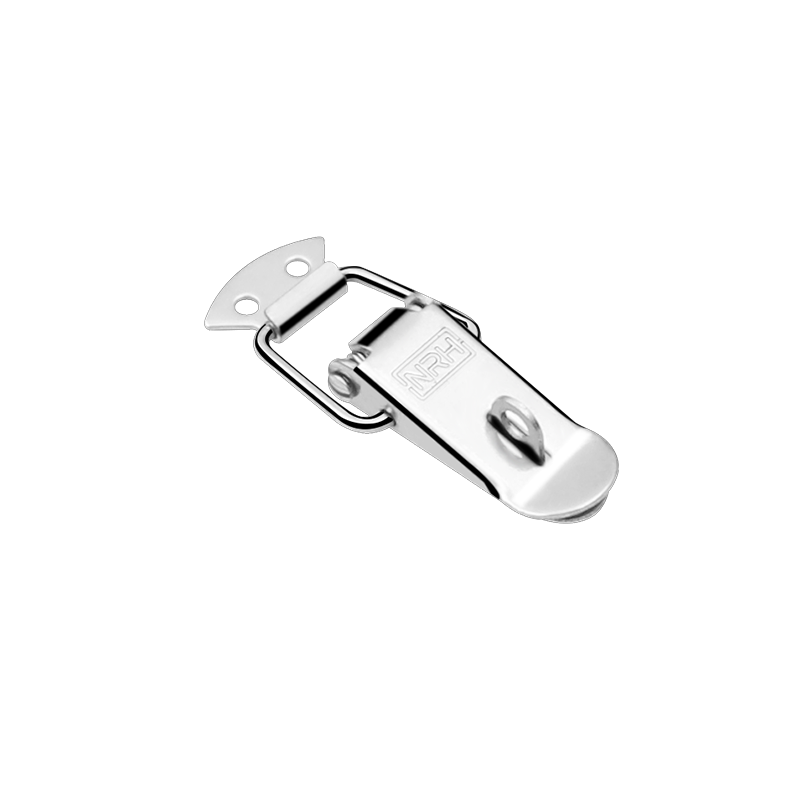
| Parameter | Specification |
|---|---|
| Material | SUS304 Stainless Steel (AISI 304 / GB 06Cr19Ni10) |
| Finish | Vibratory Grinding |
| Product Weight | 35g |
| Static Tensile Load | 1500N (approx. 153kg) |
| Overall Dimensions | 83mm x 70.5mm |
| Mounting Hole Centers | 31.5mm / 15.5mm |
Design Features: Spring-loaded self-locking mechanism – the latch tongue automatically engages when the lid is closed, maintaining secure lockdown under transport vibration. Two units mounted symmetrically (left and right) for even load distribution. 1500N static tensile load verified through internal pull testing (ultimate breaking strength in locked position).
Extended Applications: This draw latch model is also suitable for flight cases, medical equipment cases, firefighting equipment boxes, military rotomolded cases, and industrial instrument cases where locking reliability is critical.
3.3 Hinge – NRH 8403-50-S04-ZG
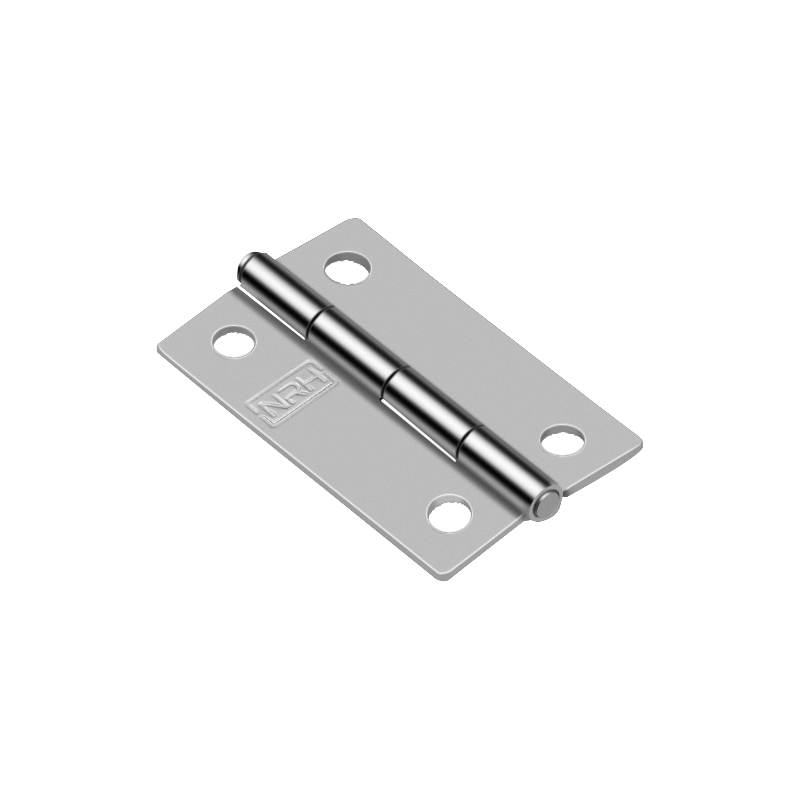
| Parameter | Specification |
|---|---|
| Material | SUS304 Stainless Steel (AISI 304 / GB 06Cr19Ni10) |
| Finish | Vibratory Grinding |
| Product Weight | 18g |
| Single Hinge Vertical Static Load | 15kg |
| Overall Dimensions | 50mm x 35mm |
| Material Thickness | 0.8mm |
| Mounting Hole Diameter | 2-ø4.5mm |
| Mounting Hole Centers | 37mm |
Design Features: Precision pin-fit hinge with pin-to-leaf clearance <=0.1mm – smooth, rattle-free operation. Two hinges provide 30kg total vertical load capacity with ample safety margin (actual load 15-25kg, safety factor 1.2-2.0). 15kg single-hinge load capacity verified through internal vertical loading test (static limit).
4. Material Comparison and Selection Guide
SUS304 Stainless Steel vs. 201 Stainless Steel vs. Zinc-Plated Steel
| Dimension | SUS304 | 201 | Zinc-Plated |
|---|---|---|---|
| Nickel Content | 8.0-10.5% | 0.8-1.5% | – |
| Salt Spray (GB/T 10125) | >=96h no rust | 24-48h | 12-24h |
| Service Life (Humid) | 10+ years | 12-18 months | Months |
| Export Compliance | RoHS/REACH/Prop65 | Partially restricted | May be restricted |
Selection Conclusion: Under-bed storage cabinets sit directly on the floor where moisture accumulates. SUS304 stainless steel, with its 8%+ nickel content forming a stable passive film, provides long-term corrosion resistance – significantly outperforming 201 stainless steel (rust spots in ~1 year) and zinc-plated steel (rust within months). For products destined for European and US markets, SUS304 is the minimum material standard to meet environmental compliance requirements.
Industry Standard Reference: Per GB/T 3325-2024 General Technical Requirements for Metal Furniture and QB/T 2189-2013 Hardware for Furniture – Cup Hinges, NRH SUS304 products pass 96-hour neutral salt spray testing – exceeding general industry standards. Tested by Chemical Industry Synthetic Materials Aging Quality Supervision and Inspection Center (CNAS-accredited, CMA-certified).
5. Selection Risk Advisory
In B2B procurement decisions, incorrect material selection directly leads to the following consequences:
| Incorrect Selection | Failure Mode | Consequences |
|---|---|---|
| 201 for SUS304 | Insufficient nickel – pitting in humid environments | Rust in 12-18 months – increased complaints |
| Zinc-plated for SUS304 | Coating damage exposes carbon steel base | Rust within months – structural degradation |
| Undersized hinge | Pin wear and leaf deformation – lid sag | Uneven gaps – poor sealing |
| Weak latch force | Latch disengages during transport | Contents spill – freight damage claims |
NRH Mitigation Strategy: Prior to collaboration, NRH discusses the specific use environment and target export market requirements with each client. Based on cabinet specifications, application scenario, and target market price positioning, NRH provides material selection recommendations and risk assessments – helping clients make informed trade-offs between cost and quality to avoid downstream losses from incorrect material choices.
6. Installation Guidelines and Process Requirements
Mounting Methods:
| Mounting Method | Suitable Substrate | Process Requirements |
|---|---|---|
| Screw Fixing | Wooden cabinets | Use SUS304 stainless steel self-tapping screws |
| Rivet Fixing | Metal/plastic cabinets | Use aluminum or stainless steel rivets |
| Spot Welding | Metal cabinets | Use unfinished products to avoid high-temperature damage |
Storage Requirements: Store products in dry, ventilated locations. Avoid stacking in damp, humid, or cold environments to prevent surface oxidation or corrosion.
Usage and Maintenance Precautions:
- DO NOT clean surfaces with thinner, sulfuric acid, or strong acid solvents;
- DO NOT use polishing machines or grinding equipment on product surfaces;
- DO NOT alter hole spacing or disassemble components;
- Ensure loads remain within specified capacity.
7. Size Selection Quick Reference
| Cabinet Size | Handle | Latch | Hinge | Suitable Contents |
|---|---|---|---|---|
| 300x150x120mm | 1 | 1 | 2 | Underwear/socks/tools |
| 350x200x180mm | 4636-60 (1) | 5103-70K (2) | 8403-50 (2) | Towels/underwear/small items |
| 450x250x200mm | 1-2 | 2 | 2-3 | Blankets/toys/supplies |
| 600x300x250mm | 2 | 2-3 | 3-4 | Seasonal clothing/bedding |
Note: For bedding storage, minimum cabinet volume of 70L (e.g., 1000x500x200mm) with vacuum compression bags is recommended.
8. Engineering Drawings and Technical Support
Supported Formats: CAD (DWG/DXF), 3D (STEP/IGES), UG (PRT)
How to Access:
- Download directly from NRH official website product detail pages
- Or contact NRH sales team
Pre-Sales Technical Support:
- Product compatibility assessment
- Mounting hole layout drawings
- Sample verification support
- Non-standard customization evaluation
9. Supplier Qualifications
Company Profile: Shanghai Nahui Hardware Products Co., Ltd. (NRH), established in 1996 and headquartered in Shanghai, is a professional manufacturer integrating R&D, production, and sales of box hardware. Core products include latches, handles, hinges, corner protectors, and locks – widely used in machinery manufacturing, medical devices, aerospace, marine industry, furniture manufacturing, telecommunications, and transportation.
| Qualification | Details |
|---|---|
| Quality Management | ISO 9001 certified |
| Enterprise Status | National High-Tech Enterprise (2023) |
| Third-Party Testing | 96h neutral salt spray (GB/T 10125-2021) – CNAS/CMA certified |
| Product Range | 6 categories, 100+ types, 3,000+ models, 10,000+ specs |
| Patents | 100+ |
| Inventory | 100+ tons raw material stock |
| Workforce | 200+ employees |
| Facility | 10,000+ m² |
| Experience | 25+ years |
Global Presence: NRH is headquartered in Shanghai with sales and technical support centers in Guangzhou, Beijing, and other cities. Clients span China, Southeast Asia, Europe, and the Americas.
10. Solution Summary
This hardware configuration solution addresses the actual use scenario of under-bed storage cabinets across four dimensions – corrosion resistance, mounting precision, load capacity, and opening reliability – providing a complete hardware kit based on NRH 4636-60 handle + 5103-70K draw latch + 8403-50 hinge.
Core Value Proposition:
- Corrosion Resistance: SUS304 stainless steel, 96h salt spray tested – exceeds industry standards
- Procurement Efficiency: Three parts as one kit – reduces supplier management costs
- Compliance Assurance: ISO 9001, RoHS, REACH, Prop65 – export ready
- Engineering Support: CAD/3D/UG drawings – reduces design integration costs
- Risk Mitigation: Upfront material selection consultation – avoid costly mistakes
11. Frequently Asked Questions
Q1: How long can these hardware parts resist rust in humid environments?
Data answer: SUS304 stainless steel with 8.0-10.5% nickel content. Passed 96-hour neutral salt spray test (GB/T 10125-2021) with no red rust. Industry standard for furniture hardware is 18-48 hours. NRH exceeds this by 2x-5x. Service life in under-bed humid conditions: 10+ years.
Q2: What is the load capacity of each part?
Data answer: Pull Handle (4636-60): 37kg vertical static load. Draw Latch (5103-70K): 1500N (approx. 153kg) static tensile load. Hinge (8403-50): 15kg per hinge, 30kg with 2 hinges installed. All tested via internal tensile and vertical loading tests.
Q3: Are the materials compliant for export to Europe and US?
Data answer: Yes. SUS304 material fully compliant with RoHS, REACH, and California Proposition 65. ISO 9001 certified manufacturing. Third-party test reports available upon request. Material certificate (EN 1.4301 / AISI 304) confirming 8.0-10.5% Ni and 18.0-20.0% Cr content provided with each shipment.
Q4: Will the mounting holes match my cabinet’s pre-drilled holes?
Data answer: Yes. All three parts are manufactured with ±0.1mm hole center tolerance. Handle hole centers: 60.5mm. Latch hole centers: 31.5mm / 15.5mm. Hinge hole centers: 37mm. NRH provides CAD, 3D (STEP/IGES), and UG (PRT) drawings for design verification before production. No secondary hole rework required.
Q5: What is your production capacity and lead time?
Data answer: NRH maintains 100+ tons of raw material stock in inventory. 200+ employees with 10,000+ m² manufacturing facility. 6 categories, 100+ types, 3,000+ models, 10,000+ specifications available. Standard lead time: 15-30 days for OEM orders. Flexible MOQ. Global shipping to Southeast Asia, Europe, and Americas.
Contact Information:
- TEL & WhatsApp & WeChat: +86 180 1797 5137
- E-MAIL: nrh-gz@nrh.cn
- ADD: Room 1703-1704, Zhongji Mansion, 819 Yinxiang Road, Nanxiang Town, Jiading District, Shanghai, China