

Load-Bearing Facts: What Your Storage Cabinet Hinges Must Handle
Heavy storage cabinets present distinct engineering challenges that standard hinges cannot address. Unlike lightweight furniture, oversized storage solutions demand specialized hardware capable of managing substantial forces over thousands of operational cycles. For cabinets exceeding 1500mm in height, door panels typically weigh 15-40kg depending on material construction. When you open a cabinet door, the hinge pin experiences not just the door weight, but amplified leverage forces that multiply this load by factors of 3-5x. This mechanical principle explains why selecting hinges without proper load calculations inevitably leads to sagging doors, frame damage, and premature hardware failure.
The critical engineering threshold for heavy storage applications: each hinge must support a minimum of 20kg working load to ensure adequate safety margins. This baseline accounts for static weight, dynamic forces during opening and closing, and the cumulative stress of years of daily use. NRH Box Hardware specializes in heavy duty hinges engineered specifically for these demanding applications, offering load ratings that exceed typical market alternatives.
Material Comparison – Structural Steel vs. Stainless Steel:
Common structural steel (ASTM A36, used in 8111 series) has a minimum yield strength of 250 MPa. SUS304 stainless steel (ASTM A240) has a minimum yield strength of 215 MPa (0.2% offset). At the same cross-sectional area, structural steel offers approximately 16% higher yield strength. This is a material-level comparison based on standard specification minimums; actual product performance depends on specific design, heat treatment, and manufacturing tolerances. Structural steel is generally preferred for heavy-duty static load applications where maximum load capacity is the primary requirement. Stainless steel remains the recommended choice for corrosion-prone environments where environmental durability takes priority over ultimate load capacity.
Industry Durability Standards:
ANSI/BHMA A156.1 is the recognized industry standard for hinge cycle testing. Grade 1 hinges (highest duty classification) must withstand 2,500,000 operational cycles without structural failure. Grade 2 hinges require 1,500,000 cycles, and Grade 3 hinges require 350,000 cycles. NRH heavy duty hinges are designed with reference to these performance benchmarks, ensuring long-term reliability in high-frequency applications.
Leverage Force Calculation:
The effective force on each hinge pin can be expressed as:
F_pin = (W_door × H_door) / (2 × L_hinge)
where W_door is the door weight (kg), H_door is the door height (mm), and L_hinge is the center-to-center distance between hinges (mm). This equation explains why hinge spacing is a critical parameter: increasing the distance between hinges reduces the leverage force on each pin. For the under-bed case study below, with W_door = 32kg, H_door = 1000mm, and L_hinge = 1600mm (center-to-center spacing on a 2000mm lid with 200mm edge offsets), each hinge experiences a pin load of approximately 10kg under static conditions – well below the 20kg per hinge safety threshold when using two hinges.
Case Study: Under-Bed Storage Cabinet Installation
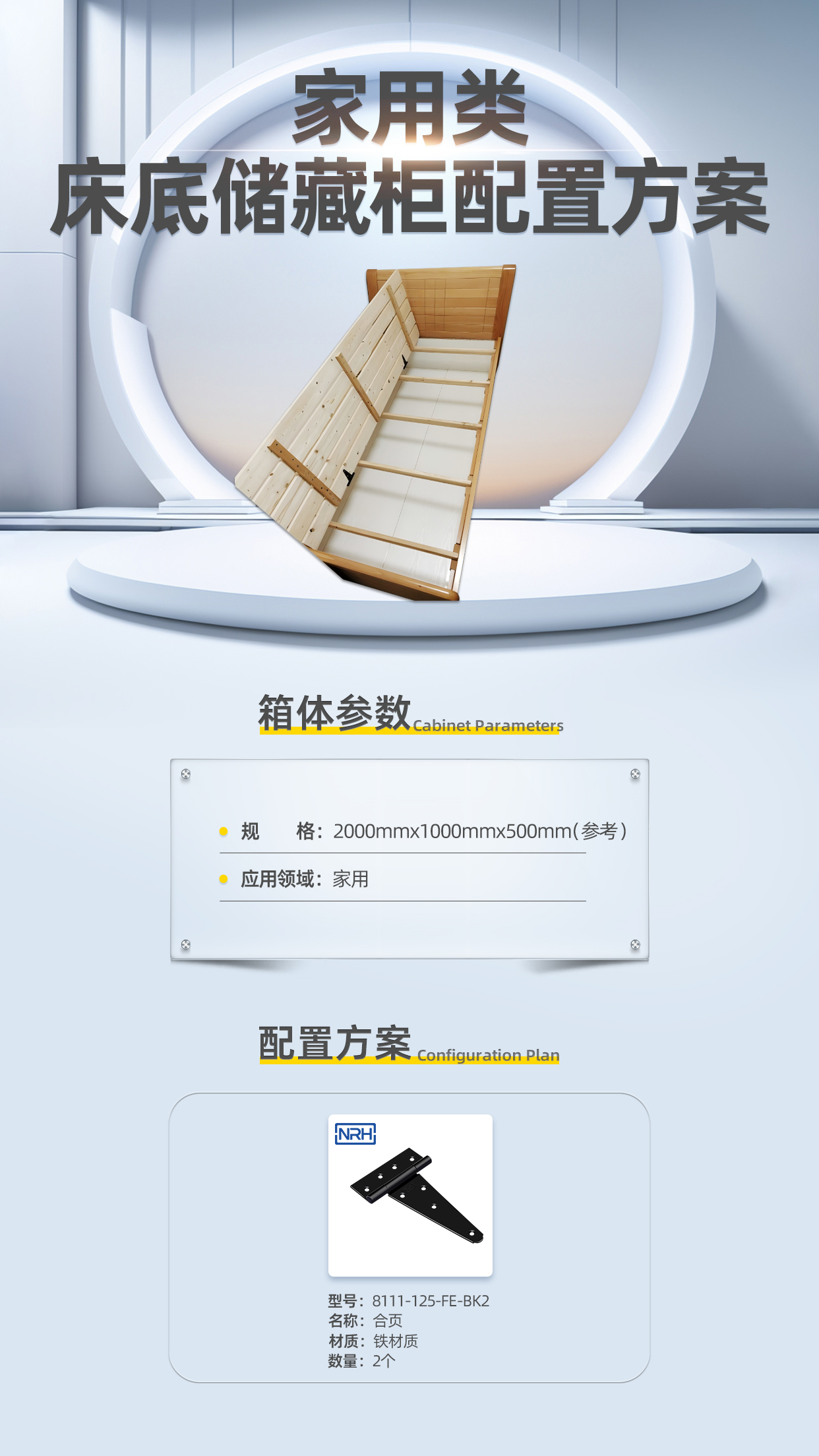
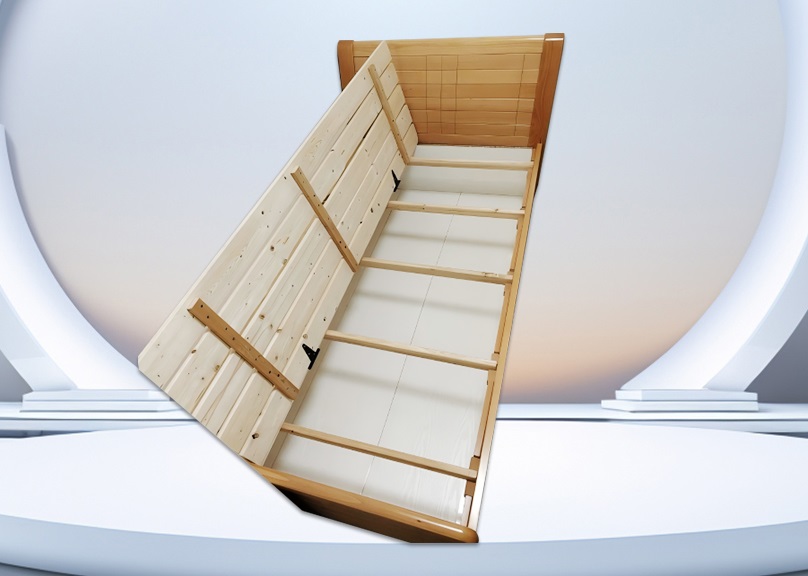
Under-bed storage cabinet (2000mm x 1000mm x 500mm) featuring two 8111-125-FE-BK2 heavy duty strap hinges in black iron finish for lift-open lid mechanism
This residential installation in Hong Kong showcases the typical requirements for large under-bed storage solutions in space-constrained living environments. The cabinet measures 2000mm x 1000mm x 500mm, designed to maximize storage capacity while fitting beneath standard bed frames. The lift-open lid mechanism requires heavy duty hinges that can support the lid’s weight through repeated daily access while maintaining smooth operation throughout the furniture’s lifespan.
Two 8111-125-FE-BK2 heavy duty strap hinges handle the load requirements for this installation. The hinges are positioned symmetrically at 200mm from each edge to distribute stress evenly across the cabinet frame. This strategic placement prevents stress concentration that could compromise the structural integrity of the cabinet over time. The black iron (BK2) surface finish complements contemporary bedroom aesthetics while providing reliable corrosion resistance for indoor applications.
Key factors that influenced this specific hinge selection included the lift-open mechanism requirement (which subjects hinges to different force vectors than standard swinging doors), the 2000mm lid length creating significant leverage, and the need for consistent 90-degree positioning to allow full access to the storage compartment. The iron construction of the 8111 series provides superior tensile strength compared to lighter materials, making it ideal for this application where mechanical robustness takes priority.
Product Specifications and Features
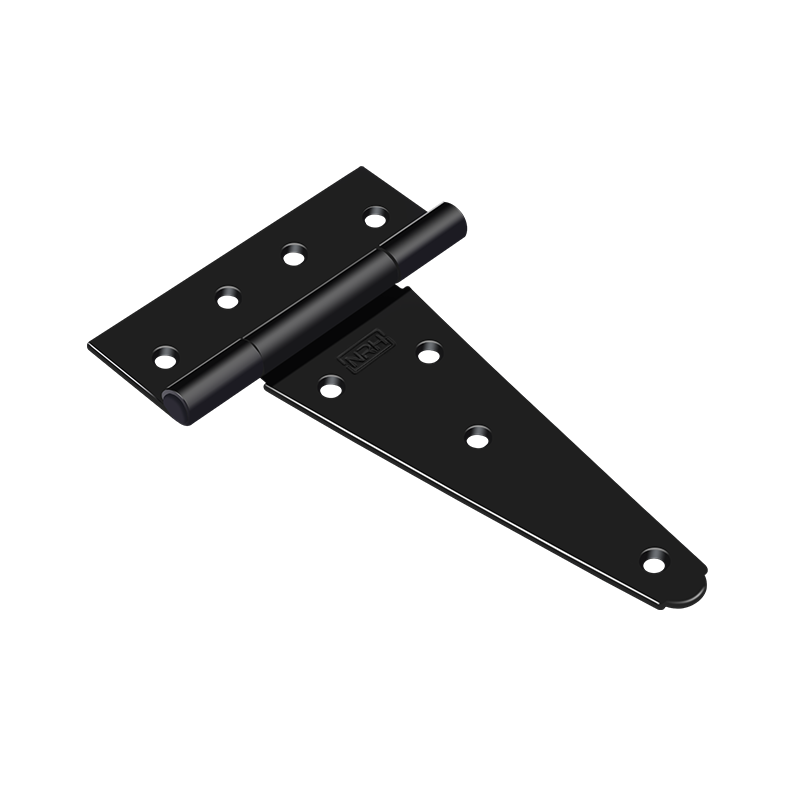
8111-125-FE-BK2 Heavy Duty Strap Hinge – 125mm length, iron construction (ASTM A36 grade), black powder-coated finish for enhanced durability.
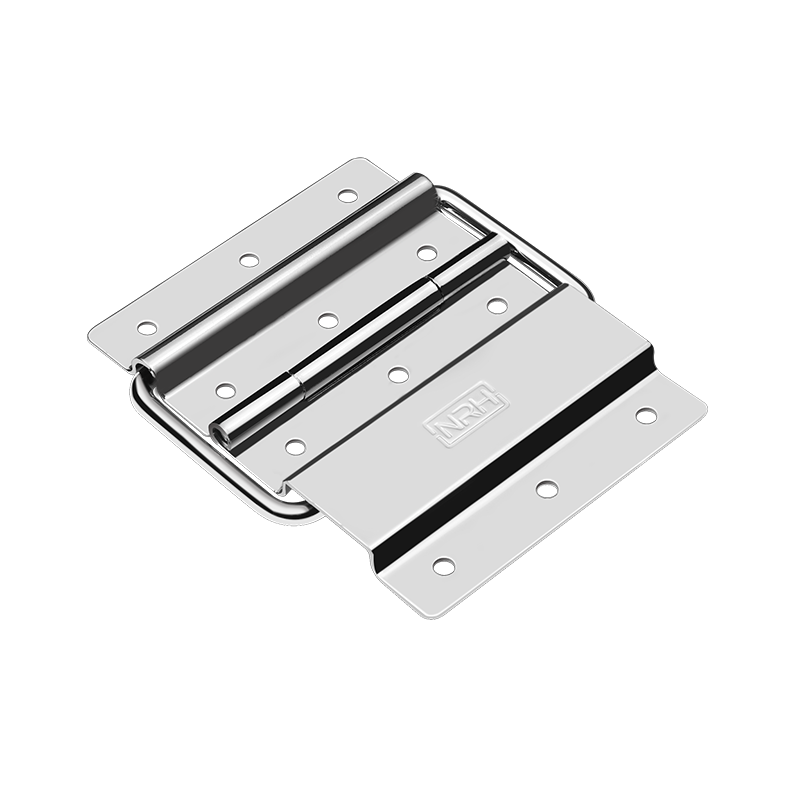
8131-100 Heavy Duty Hinge – 100mm length, iron construction with chrome plating, featuring integrated 90-degree positioning stop.
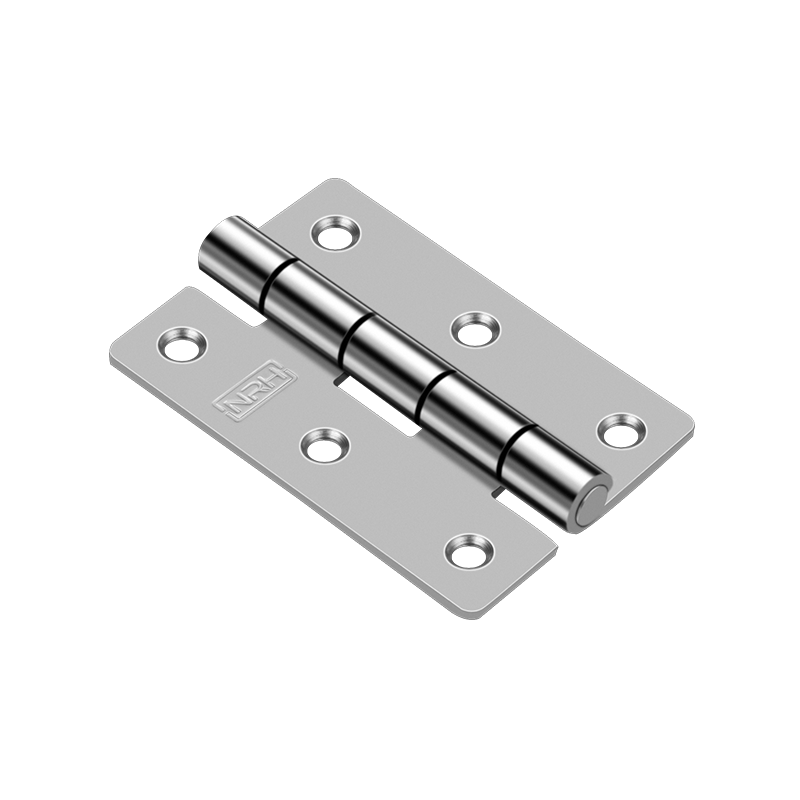
8252 Series Cabinet Hinge – compact 90mm design for standard to medium-duty storage cabinet applications.
The 8111-125-FE-BK2 strap hinge represents the heavy-duty end of NRH’s product range. Its 125mm length provides extended mounting surface for superior load distribution, while the iron base material delivers exceptional tensile strength. The black powder-coated finish (BK2 designation) adds both aesthetic appeal and an additional layer of corrosion protection.
Heavy Duty Hinge Selection Comparison
| Model | Material | Finish | Length | Weight | Load Capacity | Best Application |
|---|---|---|---|---|---|---|
| 8111-125-FE-BK2 | Iron (ASTM A36) | Black (BK2) | 125mm | 245g | 35kg | Oversized cabinets, lift lids |
| 8131-100 | Iron | Chrome (CR) | 100mm | 137g | 10kg with 90 stop | Heavy cabinets, positioning |
| 8101-100 | Iron | Zinc (ZL) | 100mm | 82g | 13kg | Medium-heavy doors |
| 8201-50 | SUS304 (ASTM A240) | Polished | 50mm | 52g | 10kg | Corrosion-prone areas |
| 8252-90 | Iron | Zinc (ZL) | 90mm | 65g | 8kg | Storage cabinets, furniture |
Comprehensive Installation Guide: Heavy Cabinet Door Hinges
Step 1: Calculate Load Requirements
Before beginning installation, accurate load calculation ensures optimal hinge selection and positioning. This is the foundation of any successful heavy cabinet project.
First, measure your door dimensions precisely and estimate the panel weight based on material density. Solid wood doors typically weigh 8-12kg per square meter, while MDF panels range from 5-8kg/m2. Metal doors can weigh significantly more at 12-20kg/m2. For the under-bed cabinet example (2000mm x 1000mm) with a 18mm MDF lid, the estimated weight would be approximately 32kg.
Add a 30% safety margin to your calculated weight to account for dynamic loads during opening – the force required to accelerate a stationary door to open position, plus the impact forces when closing. This margin also compensates for potential overloading from stored items leaning against doors or accidental impacts.
Divide the total load (with safety margin) by your planned hinge quantity. Use a minimum of 2 hinges, but plan for 3 or more hinges when doors exceed 1200mm in height. Each hinge must have a rated capacity exceeding your calculated per-hinge load.
Quick Field Estimate: For a rapid assessment, use the simplified relationship: Per-hinge load = (Door weight in kg) / (Number of hinges) × (Door height in mm) / (2 × Hinge span in mm). If the result approaches your hinge’s rated capacity, add more hinges or choose a higher-rated model.
Step 2: Position Hinges Correctly for Symmetric Load Distribution
Proper hinge positioning is critical for even stress distribution and long-term performance. For symmetric load distribution on a 2000mm cabinet lid:
- Place the first hinge 150-200mm from the top edge of the cabinet frame
- Position the second hinge 150-200mm from the bottom edge
- If using a third hinge for doors exceeding 1800mm or weighing over 30kg, place it at the geometric center
- Verify that all hinges align perfectly vertically on both the door panel and cabinet frame
- Use a spirit level during positioning to ensure perfect vertical alignment
Uneven hinge positioning creates torsional stress that accelerates wear and can cause doors to bind or become misaligned over time. Take extra care with lift-open mechanisms, as these require precise alignment to function smoothly.
Step 3: Execute Secure Mounting
Use screws matching your hinge hole diameter – typically 4-5mm screws for most heavy duty hinge applications. Pre-drill pilot holes to prevent wood splitting, especially with hardwoods or when working near panel edges.
For particle board construction (common in flat-pack furniture), ensure minimum 30mm screw engagement depth. For solid wood or plywood, 20mm minimum penetration provides adequate holding power. When in doubt, use longer screws rather than shorter ones.
Tighten screws gradually using an alternating pattern – similar to tightening lug nuts on a car wheel. This prevents uneven stress that could warp the mounting surface. Final torque should be firm but not excessive; over-tightening can strip threads or deform the hinge mounting plate.
Critical Mistakes to Avoid During Installation
- Underestimating door weight: Always include the cumulative weight of handles, locks, magnetic catches, and any accessories mounted on the door panel. A heavy glass panel or metal handle can significantly increase the load on your hinges.
- Insufficient hinge count: Using only two hinges for a 2000mm door creates excessive per-hinge load that will lead to premature failure. Calculate properly and add capacity.
- Misaligned positioning: Asymmetric hinge placement causes uneven stress distribution, leading to hinge fatigue, door sagging, and frame damage over time.
- Using wrong screw specifications: Screws that are too short have inadequate pull-out strength; screws that are too large may split the wood or prevent proper hinge seating.
- Ignoring cabinet frame strength: Even the heaviest duty hinges cannot compensate for a weak cabinet frame. Reinforce frame joints and ensure adequate material thickness at mounting points.
- Skipping the pilot hole: Driving screws directly into hardwood or MDF without pilot holes risks splitting the material and compromises holding strength.
Selection Decision Framework: Choosing the Right Heavy Duty Hinges
Navigate hinge selection with this systematic approach based on your application priorities:
Maximum load capacity: For doors exceeding 25kg, iron hinges from the 8111 series provide superior strength over stainless steel alternatives. Based on ASTM material specifications, structural steel (250 MPa yield) offers higher yield strength than SUS304 (215 MPa) at equivalent cross-sections, making it ideal for heavy-duty applications where mechanical robustness takes priority over corrosion resistance.
Surface finish requirements: Black iron (BK2) suits modern interiors where aesthetics matter; polished stainless steel performs best in moisture-prone areas like bathrooms and laundry rooms; zinc plating provides cost-effective corrosion resistance for dry indoor applications.
Cabinet dimensions: Longer hinge bodies (125mm+) distribute loads better than short hinges for oversized doors. The extended mounting surface reduces stress concentration at attachment points.
Opening angle requirements: If your application requires consistent 90-degree positioning support, select models with integrated stop features like the 8131 series. Without positioning stops, doors may swing beyond intended limits and cause damage or injury.
Operational frequency: For cabinets accessed multiple times daily, select hinges designed with reference to ANSI/BHMA A156.1 Grade 1 or Grade 2 durability benchmarks. Budget hinges often fail prematurely in high-frequency applications.
Environmental conditions: Indoor climate-controlled environments allow more material options. Humid or coastal areas demand stainless steel or properly protected iron hinges to prevent corrosion-related failure.
Field Failure Example – Common Pitfall: A commercial workshop installed four medium-duty hinges (8101 series, 13kg rating each) on a 2000mm high steel tool cabinet with a door weight of approximately 38kg. The calculated per-hinge load exceeded the 13kg rating once leverage was factored in. Within six months, the door had sagged noticeably, and the upper hinge mounting plate showed visible deformation. The solution: replacing the four undersized hinges with three 8111-125 hinges (35kg rating each), which distributed the load evenly across a wider span. The cabinet has been in service for over three years with no measurable sag or operational issues. This case underscores that hinge count and rating must be matched to actual calculated loads – not estimated by “feel.”
Browse Complete Hinge Range
NRH offers a comprehensive selection of heavy duty hinges for every application requirement. From compact 50mm stainless steel hinges for light-duty cabinets to 1800mm continuous piano hinges for industrial storage installations, find the exact specifications for your project. NRH Box Hardware provides technical support for specification selection and can provide load calculation assistance for complex applications.
Frequently Asked Questions
1. How do I calculate the number of hinges needed for a heavy cabinet door?
Divide your door weight (including handles, locks, and any mounted accessories) by 20kg per hinge, then add one hinge as safety margin. For a 40kg door, you need minimum 3 hinges (40/20=2, plus 1 = 3). Always round up and consider the door height – doors over 1500mm typically require at least 3 hinges regardless of calculated weight.
2. Can I mix different hinge types on the same cabinet door?
Do not mix hinge types on a single door. Different spring rates, mounting heights, and mechanical characteristics create uneven stress distribution, which will cause binding, accelerated wear, and premature failure. Use identical hinges from the same production batch for consistent performance and predictable operation.
3. What is the maximum door height for two 8111-125 hinges?
Two 8111-125 hinges can support doors up to 1800mm in height and approximately 30-35kg total weight, provided the cabinet frame is structurally sound and properly reinforced. For larger doors or heavier loads, add additional hinges or upgrade to continuous piano hinges for optimal load distribution.
4. Are black iron hinges suitable for bathroom or laundry room use?
Black iron offers basic corrosion resistance through its powder-coated finish, but it is not recommended for high-humidity environments like bathrooms or laundry rooms. For moisture-prone areas, choose stainless steel (SUS304) hinges from NRH’s range instead, which provide superior corrosion resistance without sacrificing load capacity.
5. How often should heavy duty hinges be maintenance-checked?
For commercial applications or cabinets accessed frequently, inspect hinges every 6 months. Residential use allows annual inspection. During inspections, check for loose screws (re-tighten as needed), visible wear marks on hinge surfaces, hinge pin condition, and any unusual noise or resistance during operation. Early detection of issues prevents catastrophic failure.
6. What are the most common causes of hinge failure in heavy cabinets?
Common failure causes include: exceeding the hinge load capacity, insufficient screw engagement depth, cabinet frame failure separate from hinge issues, metal fatigue from repeated operational cycles exceeding design expectations, and corrosion-related degradation in humid environments. Proper initial selection and installation prevents most of these issues.
7. Can heavy duty cabinet hinges be used for exterior gate applications?
While structurally capable of supporting gate weights, indoor heavy duty hinges lack weatherproofing features required for exterior applications. Exterior gates expose hinges to rain, UV radiation, and temperature cycling that accelerate corrosion and material degradation. Select products specifically rated for exterior use, typically featuring stainless steel construction or marine-grade coatings.
8. What screw length is required for 125mm strap hinges?
Use screws at least 25-30mm long with 4mm diameter for the hinge body mounting holes. For cabinet frames under 18mm thick, increase screw length to 35-40mm to ensure adequate pull-out strength. Always verify screw length provides full thread engagement without protruding through the frame material.
Need help choosing the right heavy duty hinges for your storage cabinet project? NRH engineering support provides specification guidance and load calculation assistance for projects of all sizes.