

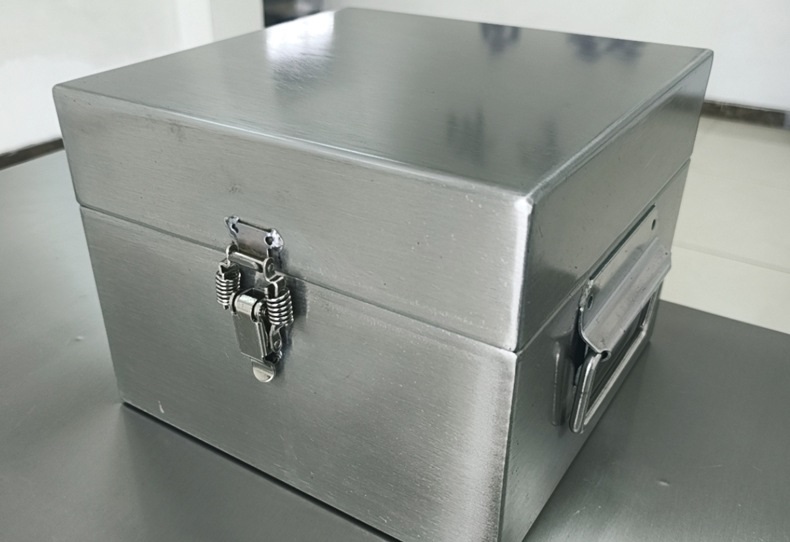
Stainless Steel Tool Case Hardware for Industrial Use
Applicable Buyers
- Tool case manufacturers and OEMs
- Industrial equipment enclosure fabricators
- Military and heavy-duty case producers
- Instrument and calibration box manufacturers
- Field service and mobile workshop case suppliers
Key finding: The 4265-100-S04-LG handle is a spring-less mechanism that provides reliable carrying without spring fatigue. The 5505-75-S04-ZG double-spring latch delivers 294 N tensile load with vibration-resistant dual-spring closure. Together they form a complete, durable hardware solution for 215 x 215 x 165 mm tool cases with 1.2 mm stainless steel panels.
What Happens If You Choose Wrong
Selecting improper hardware for a stainless steel tool case creates three critical failure modes:
- Handle failure. A handle without adequate load rating can bend or break when the case is fully loaded, dropping the case and damaging contents. This leads to increased maintenance costs, unexpected downtime, and premature hardware replacement. Handles with exposed springs can trap debris or fail from spring fatigue over time.
- Latch failure. A latch without sufficient tensile strength may pop open during transport vibration, allowing the lid to open and contents to spill. Single-spring or no-spring latches cannot maintain consistent sealing pressure on gasketed cases, resulting in moisture ingress and equipment damage.
- Corrosion and contamination. Hardware with plated or coated surfaces will degrade over time in humid or chemically exposed environments, flaking particles into the case interior and compromising sensitive equipment. Replacing corroded hardware and cleaning contaminated cases adds significant operational expense over the life of the equipment.
The 4265-100-S04-LG and 5505-75-S04-ZG eliminate these risks through all-stainless construction, proper load ratings, and vibration-resistant design.
Configuration Summary
| Component | Model | Material | Finish | Key Specification | Quantity per Case |
|---|---|---|---|---|---|
| Handle | 4265-100-S04-LG | Stainless steel | Bright-polished (LG) | 30kg load capacity, no spring | 2 |
| Latch | 5505-75-S04-ZG | 304 stainless steel | Vibratory-polished (ZG) | 294 N tensile load, double-spring | 2 |
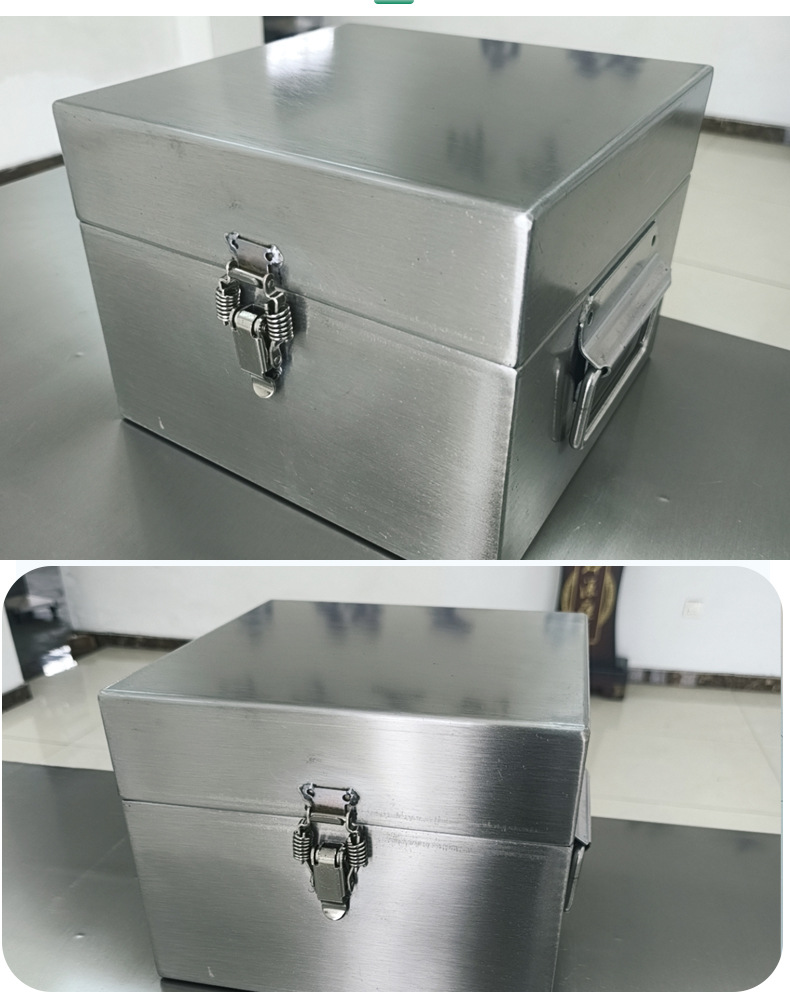
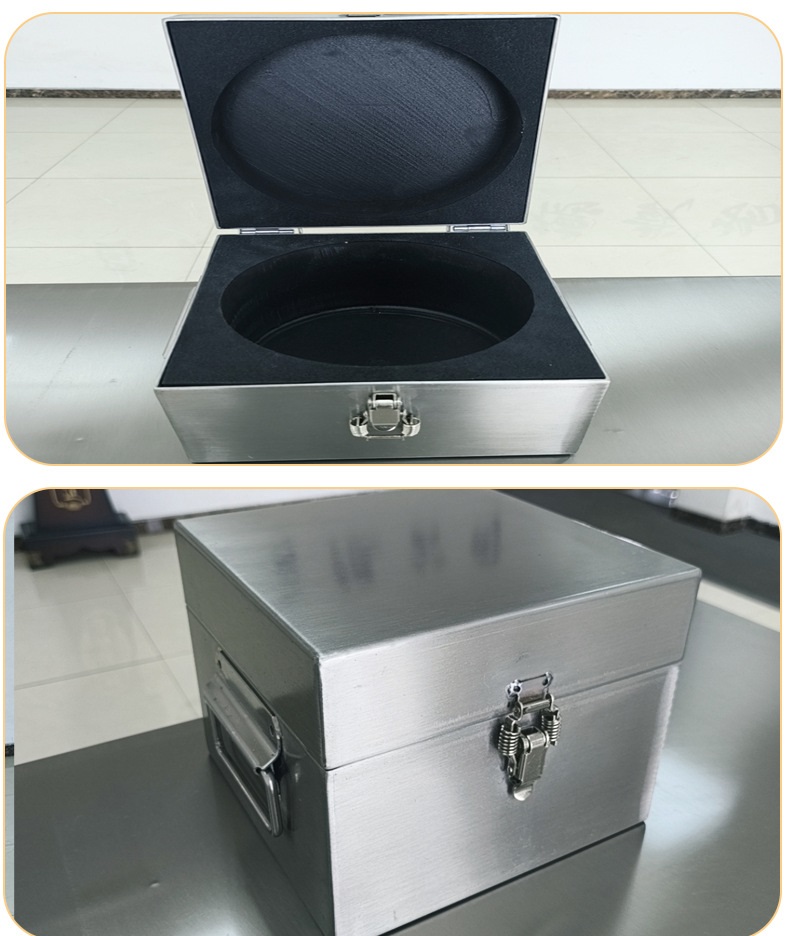
| Case | Custom | Stainless steel | – | 215 x 215 x 165 mm, 1.2 mm wall | 1 |
Product Specifications
4265-100-S04-LG Stainless Steel Handle
The 4265-100-S04-LG is a surface-mounted handle designed for tool cases, instrument boxes, and equipment enclosures. Constructed from stainless steel with a bright-polished (LG) finish, this handle offers corrosion resistance and a professional appearance. It has no spring mechanism, eliminating the risk of spring fatigue and ensuring long-term reliability.
- No spring mechanism (spring-less)
- Stainless steel construction with bright-polished finish
- Easy installation with screws, rivets, or spot welding
- 30 kg load capacity for heavy-duty applications
- Vibration-resistant and durable
Applications: Military cases, insulated cases, medical cases, aviation cases, heavy-duty cases, firefighting cases, export packing cases, wooden cases, machinery, instruments, marine equipment, aviation equipment, monitoring equipment.
| Parameter | Specification |
|---|---|
| Model | 4265-100-S04-LG |
| Material | Stainless steel |
| Surface Finish | Bright-polished (LG) |
| Spring Mechanism | No spring (spring-less) |
| Weight | 115 g |
| Load Capacity | 30 kg |
| Mounting Centers | 100 mm |
| Mounting Holes | 4 x M5.0 through holes |
| Installation | Screws, rivets, or spot welding |
| Color | Natural (uncoated) |
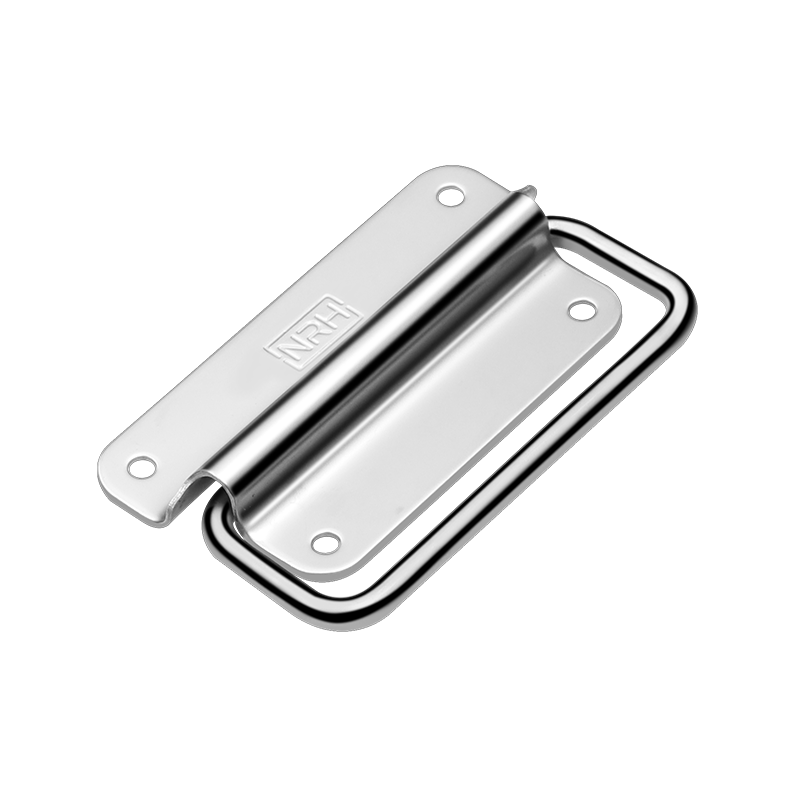
Figure 1: 4265-100-S04-LG handle – no spring mechanism, bright-polished, 30 kg load capacity
5505-75-S04-ZG Double-Spring Latch
The 5505-75-S04-ZG is a double-spring latch (also known as a spring hasp) designed to provide secure, vibration-resistant closure for cases and enclosures. The dual-spring mechanism delivers consistent sealing pressure and absorbs shock during transport.
- Double-spring mechanism for extension and return action
- 304 stainless steel construction
- Vibratory-polished (ZG) finish
- 294 N tensile load capacity
- Vibration-resistant and secure closure
- Weight: 75 g
Applications: Aviation cases, heavy-duty cases, firefighting cases, export packing cases, wooden cases, machinery, instruments, marine equipment.
| Parameter | Specification |
|---|---|
| Model | 5505-75-S04-ZG |
| Material | 304 stainless steel |
| Surface Finish | Vibratory-polished (ZG) |
| Spring Type | Double-spring (dual spring) |
| Tensile Load | 294 N |
| Weight | 75 g |
| Color | Natural (uncoated) |
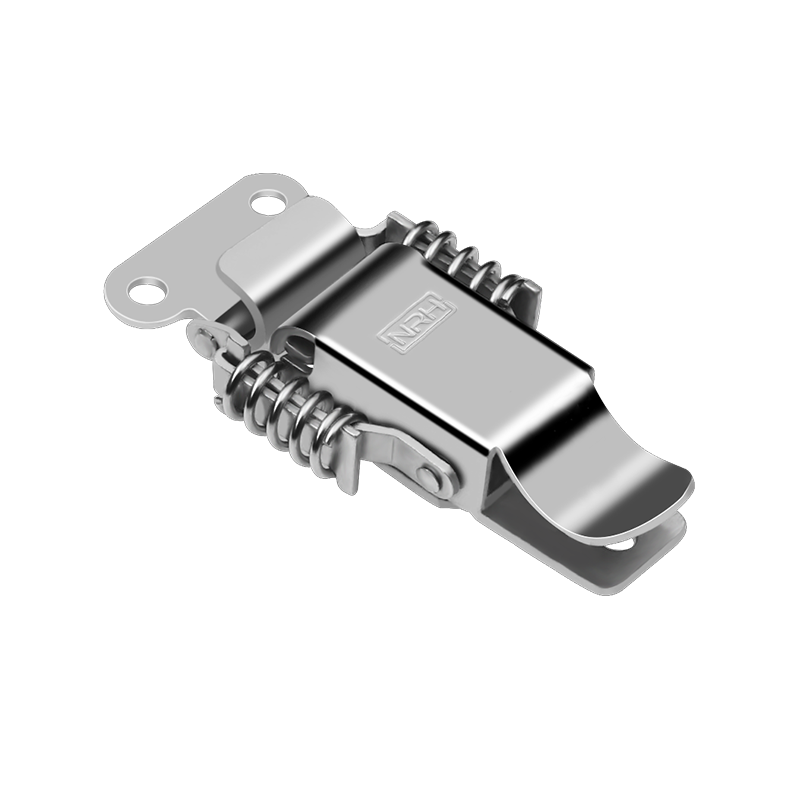
Figure 2: 5505-75-S04-ZG latch – double-spring, 294 N tensile load, 75 g
Product Comparison
| Feature | 4265-100-S04-LG Handle | 5505-75-S04-ZG Latch |
|---|---|---|
| Primary Function | Carrying and lifting | Securing lid closure |
| Material | Stainless steel | 304 stainless steel |
| Surface Finish | Bright-polished (LG) | Vibratory-polished (ZG) |
| Spring Type | No spring | Double-spring |
| Load Rating | 30 kg | 294 N tensile |
| Weight | 115 g | 75 g |
| Installation | Surface mount | Surface mount |
| Vibration Resistance | Yes | Yes |
| Corrosion Resistance | Yes | Yes |
Installation Guide
Required Tools
- Drill with appropriate bit size
- Measuring tape or ruler
- Marker for hole positioning
- Rivet gun OR screwdriver (depending on chosen fasteners)
- Spot welding equipment (optional)
Installation Steps
- Position the hardware. Place the handle and latches on the case surface according to the design layout. For a 215 x 215 x 165 mm case, two handles are typically centered on the front and back panels or on opposite sides. Two latches are positioned on the lid opening edge, evenly spaced.
- Mark hole locations. Using the product’s actual hole spacing dimensions as a guide, mark the mounting hole positions on the case surface.
- Drill mounting holes. Drill holes at the marked positions. Ensure holes are clean and burr-free.
- Install the hardware. Secure the handle and latches using rivets, screws, or spot welding. For 1.2 mm stainless steel panels, rivets or screws provide reliable attachment.
- Test operation. Verify smooth handle operation and secure latch engagement. Adjust latch alignment if necessary to ensure proper closure.
Installation Method Comparison
| Method | Advantages | Considerations |
|---|---|---|
| Rivets | Permanent, vibration-resistant | Requires rivet tool |
| Screws | Removable, adjustable | May loosen over time without thread locker |
| Spot Welding | Permanent, no exposed fasteners | Requires welding equipment; heat can affect finish |
Application Summary
The 4265-100-S04-LG handle and 5505-75-S04-ZG latch are specifically suited for:
215 x 215 x 165 mm stainless steel tool cases with 1.2 mm wall thickness. This compact case size is widely used for instrument transport, tool storage, field inspection equipment, and mobile service kits.
- The 4265-100 handle provides a reliable carrying point with no spring mechanism, eliminating spring fatigue and ensuring long-term durability. Two handles per case provide balanced lifting.
- The 5505-75 latch delivers 294 N tensile load with dual-spring vibration resistance, ensuring the lid stays closed during transport.
- Both components are stainless steel, eliminating galvanic corrosion between dissimilar metals.
- The bright-polished (LG) and vibratory-polished (ZG) finishes provide corrosion resistance and easy cleaning.
Recommended configuration: Two 4265-100-S04-LG handles centered on opposite sides of the case, plus two 5505-75-S04-ZG latches on the lid opening edge for balanced sealing pressure.
Frequently Asked Questions
Data answer: For a 215 x 215 x 165 mm stainless steel toolbox, the 4265-100-S04-LG no-spring handle is the recommended choice. It eliminates spring fatigue risk, offers 30 kg load capacity, and mounts securely on 1.2 mm panels with four M5 through holes at 100 mm centers.
Data answer: The 5505-75-S04-ZG double-spring latch delivers 294 N tensile load capacity, as specified in the product datasheet. This rating ensures secure lid closure under typical transport loads, preventing accidental opening during vibration.
Data answer: The 5505-75-S04-ZG latch is constructed from 304 stainless steel with a vibratory-polished (ZG) finish and weighs 75 g. The 4265-100-S04-LG handle is stainless steel with a bright-polished (LG) finish and weighs 115 g with a 30 kg load rating.
Data answer: To install handles and latches on a 1.2 mm stainless steel case, mark hole positions using the product’s mounting center dimensions, drill clean holes, and secure with rivets, screws, or spot welding. For 1.2 mm panels, rivets or machine screws with lock washers provide the most reliable attachment.
Data answer: The 5505-75-S04-ZG is a double-spring latch, also known as a spring hasp. The dual-spring mechanism provides extension and return action, maintaining consistent sealing pressure and absorbing shock during transport. It weighs 75 g and delivers 294 N tensile load.
Data answer: For a 215 x 215 x 165 mm stainless steel tool case with 1.2 mm wall thickness, the recommended configuration is two 4265-100-S04-LG handles (one on each side or opposite panels) for balanced carrying, and two 5505-75-S04-ZG latches on the lid opening edge for balanced sealing pressure.
Need help choosing? Contact our engineering team for hardware recommendations matched to your case specifications.
TEL & WhatsApp & WeChat: +86 180 1797 5137
E-MAIL: nrh-gz@nrh.cn
ADD: Room 1703-1704, Zhongji Mansion, 819 Yinxiang Road, Nanxiang Town, Jiading District, Shanghai, China