

Why Marine Radiation Monitoring Float Cases Demand Corrosion-Resistant Hardware
Applicable Buyers
Marine environmental monitoring equipment manufacturers, oceanographic research institutions, nuclear emergency response agencies, and field equipment case fabricators requiring corrosion-resistant hardware for underwater and coastal monitoring deployments.
Key Finding
A marine radiation monitoring float case requires 6 butterfly latches and 6 handles in 304 stainless steel – the high latch count ensures even gasket compression for underwater deployment, while the 304 stainless steel construction provides the corrosion resistance essential for continuous marine environment exposure. Each component is strategically positioned: 4 handles on front/back faces and 2 on side faces for balanced handling during deployment and recovery operations.
What Happens If You Choose Wrong
Zinc-plated or chrome-plated hardware on a marine float case develops red rust within weeks of saltwater exposure, seizing butterfly latches and making the case unopenable during an emergency radiation monitoring deployment. Underspecified handles rated below the case’s loaded weight shear off during recovery operations, dropping sensitive radiation detection equipment into the ocean.
A marine radiation monitoring float deploys into open ocean waters for days, weeks, or months at a time. The equipment inside must remain completely sealed against saltwater intrusion, humidity, and the physical stresses of ocean deployment and recovery. The case sits on deck, gets hoisted over the side, and may be exposed to salt spray for extended periods before deployment. For the personnel operating these systems, hardware failure is not an inconvenience – it means lost data, delayed emergency response, or a mission failure.
This case examines a real hardware configuration for a marine radiation monitoring float – a rotomolded case housing sensitive radiation detection equipment for underwater environmental monitoring. The hardware configuration is deliberately simple: 6 butterfly latches and 6 handles, all in 304 stainless steel. The simplicity reflects the operating environment – in marine applications, fewer component types mean fewer potential failure points and simplified field maintenance.
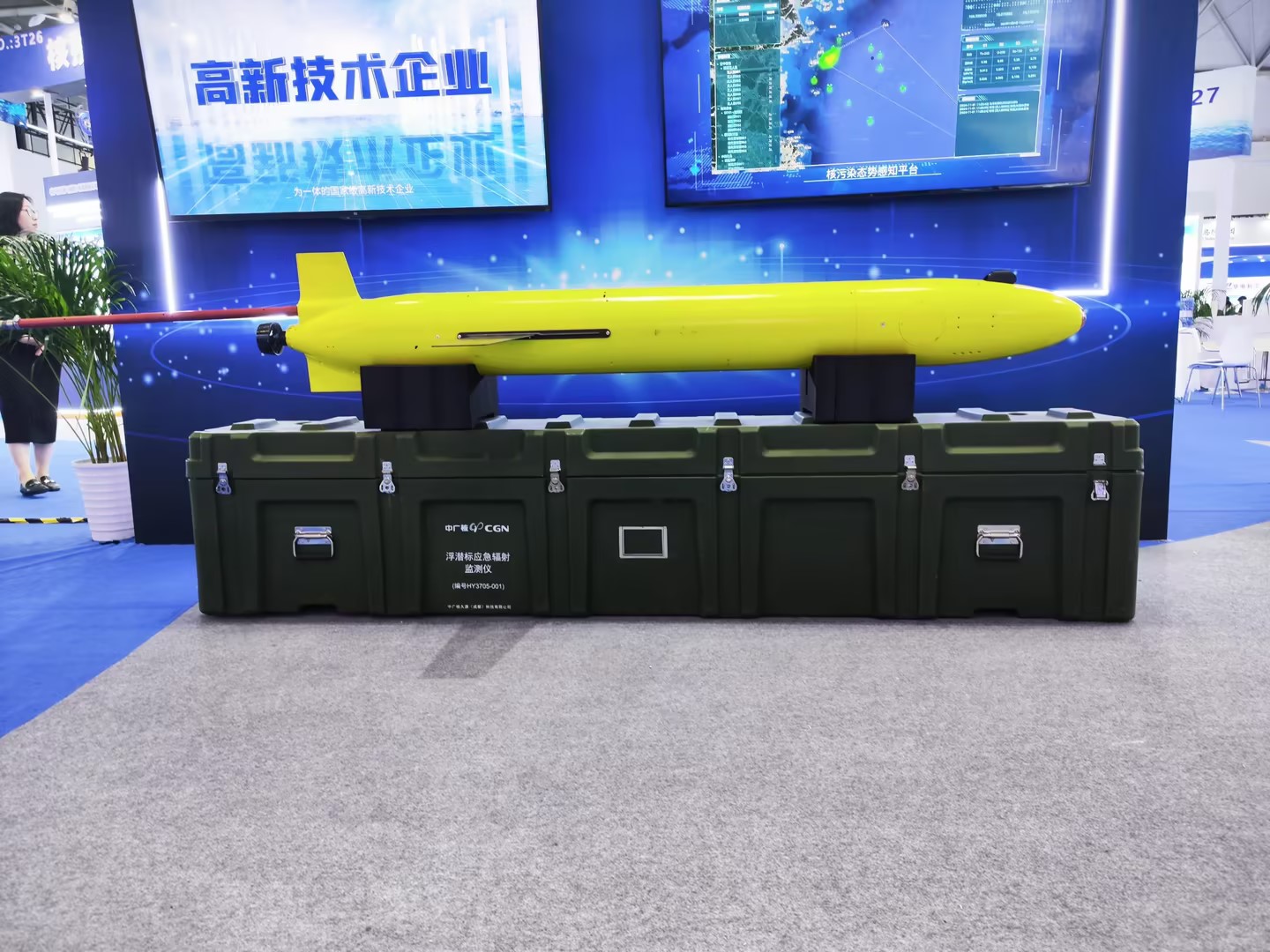
Marine radiation monitoring float case with 6 butterfly latches and 6 handles in 304 stainless steel
Marine Monitoring Applications: Where Hardware Meets Saltwater
Marine environmental monitoring equipment operates in one of the most corrosive environments on Earth. Saltwater, salt spray, and high humidity attack hardware continuously, making material selection the most critical decision in case hardware specification.
Oceanographic monitoring. Radiation monitoring floats, oceanographic research equipment, and environmental sampling systems deploy in coastal and open ocean waters. Equipment may remain at sea for extended periods, exposed to salt spray, wave action, and temperature cycling. Hardware must maintain function throughout the deployment cycle – and be operable during recovery when equipment is wet and covered in salt residue.
Nuclear emergency response. Radiation monitoring equipment deploys during nuclear incidents, requiring rapid response and reliable operation in challenging conditions. Cases may be airlifted, trucked, or shipped to emergency sites, then deployed from ships or shore. Hardware must be immediately operable upon arrival – corroded or seized latches are unacceptable.
Underwater environmental monitoring. Subsurface monitoring systems require complete sealing against water intrusion. The gasket seal depends entirely on consistent clamping force from the latches. Any latch failure compromises the seal, potentially destroying sensitive electronics and losing critical environmental data.
The marine radiation monitoring float case addressed these demands through a strategic hardware configuration: 6 butterfly latches and 6 handles, all in 304 stainless steel.
Marine Radiation Monitoring Float Case
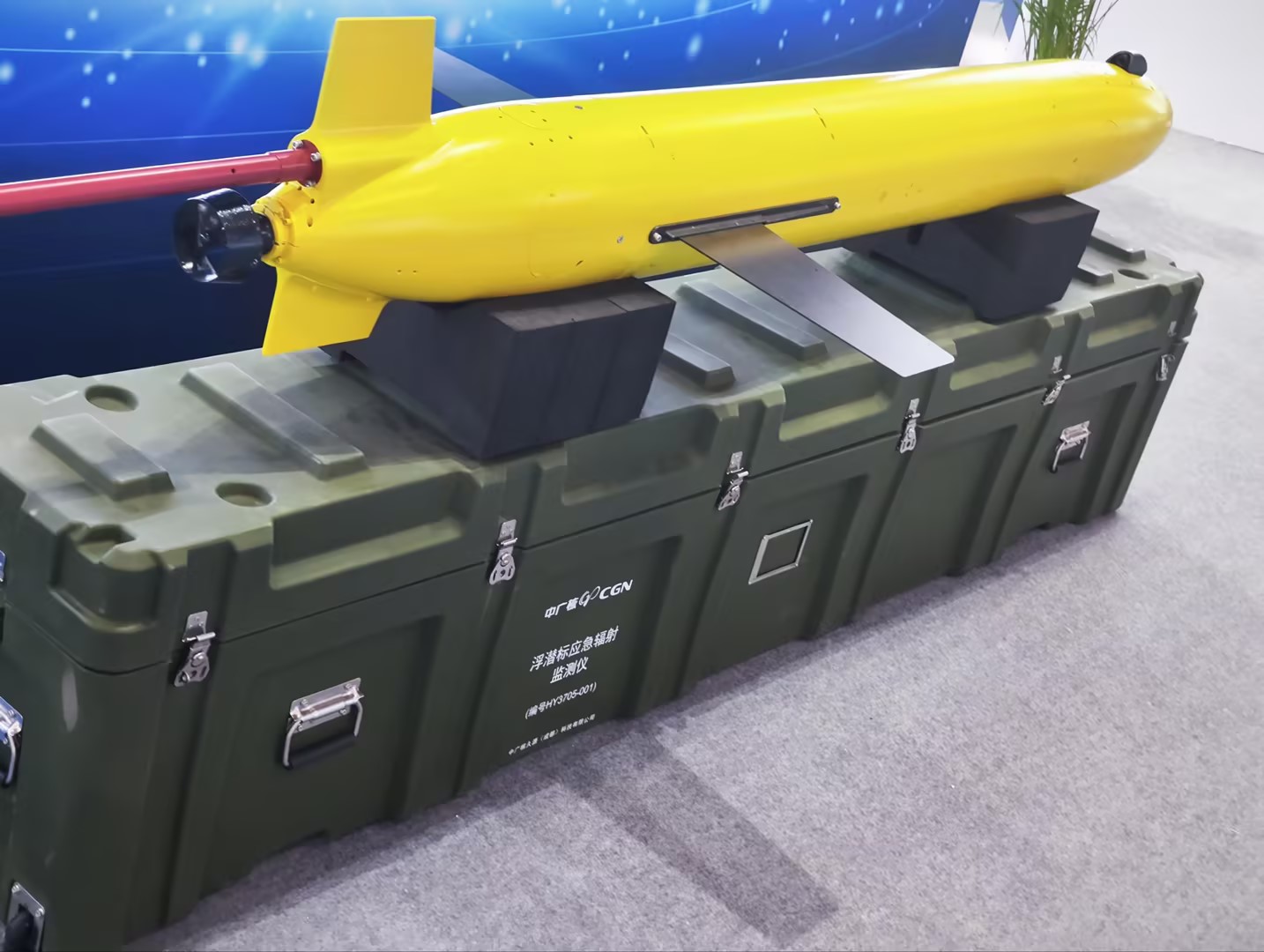
Marine radiation monitoring float case – front view with 6 butterfly latches and 6 handles in 304 stainless steel
This rotomolded case houses radiation monitoring equipment for marine and underwater environmental monitoring. The case is designed for deployment from vessels or coastal platforms, protecting sensitive detection equipment from saltwater, humidity, and physical impact during transport, deployment, and recovery operations. The case is built for reliability in harsh marine environments where equipment failure is not an option.
Hardware Configuration
| Component | Model | Material | Finish | Spec | Qty |
|---|---|---|---|---|---|
| Butterfly Latch | 6324-74 | 304 Stainless Steel | Vibratory Polished | 97g, tensile load 588N | 6 |
| Handle | 4259-108 | 304 Stainless Steel | Bright | 215g, load rating 40kg | 6 |
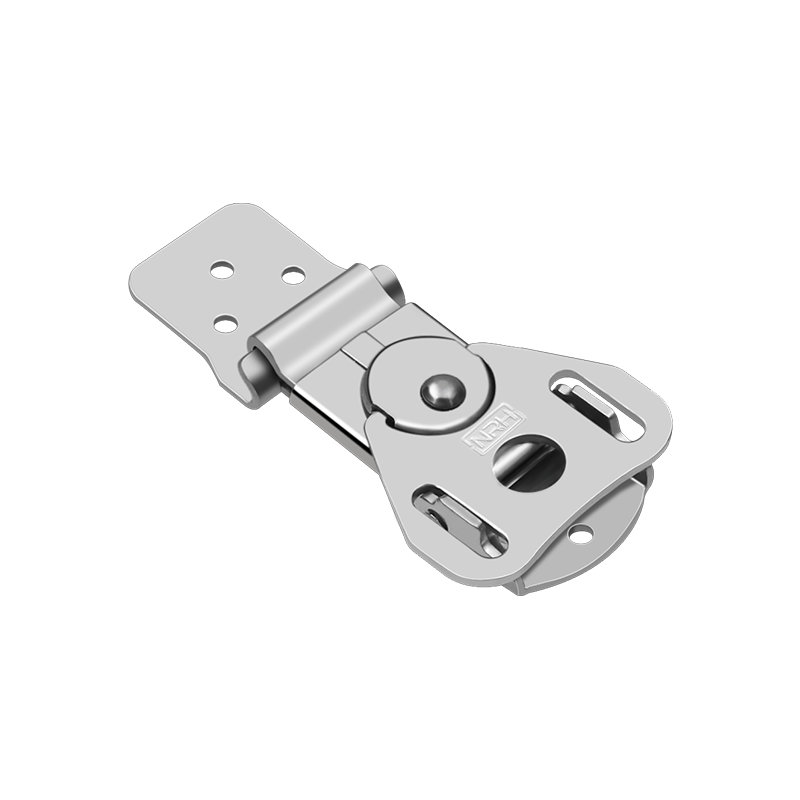
6324-74 Butterfly Latch – 304 stainless steel, 97g, 588N tensile load
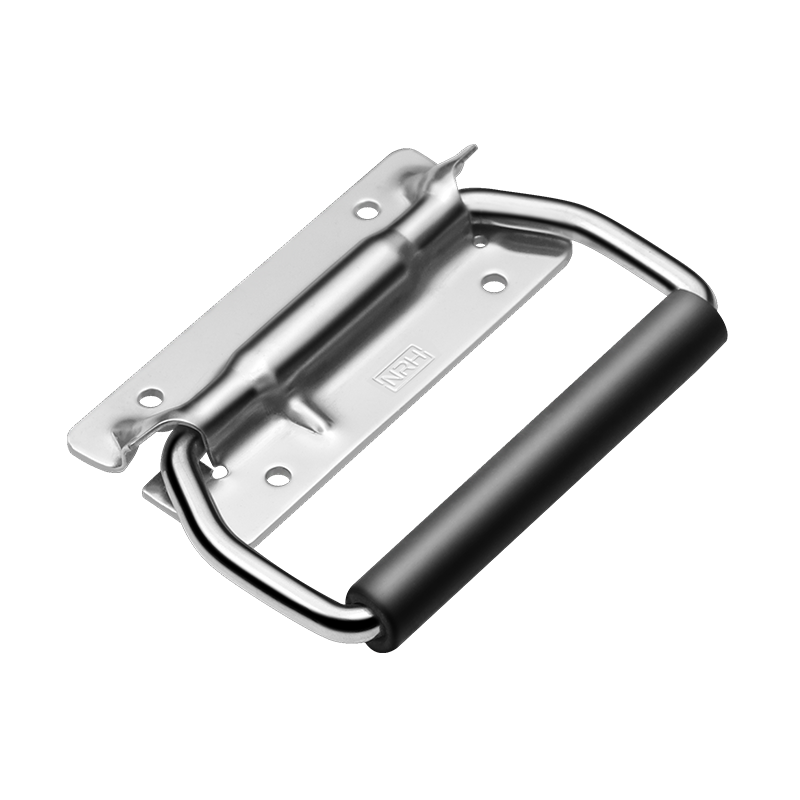
4259-108 Handle – 304 stainless steel, 215g, 40kg load rating
Why This Configuration Works for Marine Monitoring
Six butterfly latches (6324-74) for absolute sealing. The case’s dimensions require even gasket compression around the entire lid perimeter to maintain a watertight seal against saltwater intrusion. Six 6324-74 butterfly latches – each rated at 588N tensile load – are distributed around the lid to provide uniform clamping force. The 588N rating provides an exceptional safety margin for cases deployed at sea, where wave action and vessel motion create dynamic loads on the case. The vibratory polished finish on the 304 stainless steel provides a smooth surface that is easy to clean of salt residue after deployment.
Six handles (4259-108) for balanced handling. The 4259-108 handles are positioned for optimal carrying ergonomics: two on the front face, two on the rear face, and one on each side face. This six-handle configuration allows multiple personnel to handle the case during vessel-based deployment and recovery operations, distributing the load and reducing the risk of dropping equipment overboard. Each handle is rated for 40kg, providing a total rated carrying capacity of 240kg – well above the expected case weight. The bright finish provides a clean appearance and is easy to inspect for corrosion or damage.
All-304 stainless steel for marine corrosion resistance. In marine environments, hardware material selection is non-negotiable. 304 stainless steel’s 18% chromium / 8% nickel composition forms a self-healing passive oxide layer that resists saltwater corrosion. Unlike zinc-plated or chrome-plated hardware – which relies on a coating that can be compromised by scratches or salt spray – 304 stainless steel’s corrosion resistance is inherent. The vibratory polished finish on the 6324-74 latches and the bright finish on the 4259-108 handles both provide surfaces that shed saltwater and resist corrosion.
Simplified component strategy for field reliability. The use of only two component types (latches and handles) reflects a deliberate design philosophy: in marine applications where field repair may be required under challenging conditions, fewer component types mean simpler inventory management, faster repairs, and reduced risk of installing incorrect parts. A single spare of each component covers all potential hardware failures on the case.
No keyed locks for rapid emergency access. The 6324-74 butterfly latch is configured without a key lock. This is a deliberate design choice for emergency response equipment – when a radiation monitoring float needs to be opened for maintenance or data retrieval in the field, operators cannot be delayed by lost keys or frozen lock cylinders. The latch provides secure closure under normal operation while enabling rapid access when needed.
Product Specifications
6324-74 – Butterfly Latch (304 Stainless Steel)
This butterfly latch provides high clamping force through a lever-over-center mechanism, maintaining consistent gasket compression for watertight sealing. The 304 stainless steel construction with vibratory polished finish offers excellent corrosion resistance for marine environments.
| Parameter | Specification |
|---|---|
| Model | 6324-74 |
| Type | Butterfly Latch |
| Material | 304 Stainless Steel |
| Finish | Vibratory Polished |
| Weight | 97g |
| Tensile Load | 588N (verified from NRH product specification drawings) |
| Dimensions | 104.5 x 59 x 48mm |
| Key Lock | Not included |
| Application | Marine monitoring cases, underwater equipment, field cases |
4259-108 – Handle (304 Stainless Steel)
This handle provides a secure grip for carrying and handling equipment cases. The 304 stainless steel construction with bright finish offers corrosion resistance for marine environments and a clean, easy-to-inspect surface.
| Parameter | Specification |
|---|---|
| Model | 4259-108 |
| Type | Handle |
| Material | 304 Stainless Steel |
| Finish | Bright |
| Weight | 215g |
| Load Rating | 40kg (verified from NRH product specification drawings) |
| Dimensions | 119 x 107 x 68mm |
| Application | Marine monitoring cases, field equipment, transport cases |
Selection Considerations for Marine Monitoring Case Hardware
Based on this configuration, here are the key decision points for specifying hardware on marine monitoring cases:
1. Material selection is non-negotiable. Marine environments demand 304 stainless steel minimum. Zinc-plated or chrome-plated hardware will fail within months of saltwater exposure. The cost premium of 304 stainless steel is justified by the cost of equipment loss or mission failure.
2. Latch count determines seal integrity. For cases that must remain watertight during ocean deployment, sufficient latch points are essential. The number of latches must provide uniform gasket compression around the entire lid perimeter. Under-specifying latches creates seal gaps that allow saltwater intrusion.
3. Handle placement affects handling safety. In vessel-based deployment and recovery, balanced handling is critical. Handles on all faces enable multiple personnel to carry the case safely. The 4259-108’s 40kg rating provides adequate capacity for typical monitoring equipment cases.
4. Lock-free design for emergency access. For emergency response equipment, keyless latches enable rapid access when response time matters. The 6324-74’s lock-free configuration supports this operational requirement.
5. Finish selection impacts maintenance. Vibratory polished and bright finishes provide smooth surfaces that shed saltwater and are easy to inspect and clean. This reduces corrosion risk and simplifies post-deployment maintenance.
Key Takeaways
- Marine radiation monitoring cases require 304 stainless steel hardware – saltwater exposure destroys zinc-plated or chrome-plated alternatives.
- Six 588N-rated butterfly latches provide uniform gasket compression for watertight sealing during ocean deployment.
- Six handles (front:2, rear:2, side:1 each) enable balanced handling during vessel-based deployment and recovery operations.
- Lock-free latches enable rapid emergency access – lost keys or frozen lock cylinders are not an option for radiation monitoring response.
- Vibratory polished and bright finishes shed saltwater and simplify post-deployment inspection and cleaning.
- A simplified two-component hardware strategy (latches + handles) reduces field inventory requirements and simplifies repairs.
- Each handle’s 40kg rating provides substantial margin for typical monitoring equipment weights.
Frequently Asked Questions
Why 304 stainless steel for marine monitoring cases?
304 stainless steel’s 18% chromium / 8% nickel composition forms a self-healing passive oxide layer that resists saltwater corrosion. Unlike zinc-plated or chrome-plated hardware, which relies on a coating that can be compromised by scratches or salt spray, 304 stainless steel’s corrosion resistance is inherent to the material. In marine environments where equipment may be exposed to saltwater for extended periods, 304 stainless steel is the minimum practical specification.
Why does this case use 6 latches?
The 6 latches are distributed around the lid perimeter to provide even gasket compression, ensuring a watertight seal during ocean deployment. The number of latches is determined by the case size and the sealing requirements – larger or deeper cases may require additional latch points to maintain uniform compression.
Why are there no key locks on the latches?
The lock-free configuration is a deliberate design choice for emergency response equipment. When radiation monitoring equipment needs to be opened in the field, operators cannot afford delays from lost keys or corroded lock cylinders. The butterfly latches provide secure closure while enabling rapid access when needed.
How are the handles positioned on the case?
The handles are positioned for balanced carrying: 2 on the front face, 2 on the rear face, 1 on each side face. This six-handle configuration allows multiple personnel to handle the case safely during vessel-based deployment and recovery operations, distributing the weight and reducing the risk of dropping equipment.
What is the load rating of the 4259-108 handle?
The 4259-108 handle is rated for 40kg per handle (verified from NRH product specification drawings). With 6 handles installed, the total rated carrying capacity is 240kg – well above the expected weight of a typical monitoring equipment case, providing substantial safety margin.
What is the tensile load rating of the 6324-74 latch?
The 6324-74 butterfly latch is rated for 588N tensile load (verified from NRH product specification drawings). This provides exceptional clamping force for maintaining gasket compression and ensures the case remains sealed under the dynamic loads of ocean deployment.
Can this hardware configuration be used for other marine monitoring applications?
Yes. The 6324-74 latch and 4259-108 handle combination is suitable for any marine or coastal monitoring equipment case requiring corrosion resistance and reliable sealing. The configuration is also applicable to oceanographic research equipment, coastal environmental monitoring, and underwater instrumentation cases.
Need Help Choosing?
Specifying hardware for marine monitoring cases requires balancing corrosion resistance, sealing integrity, handling ergonomics, and emergency access requirements. This configuration – 6 butterfly latches and 6 handles in 304 stainless steel – demonstrates that material selection and component count are the critical decisions for marine applications.
NRH Box Hardware supplies 304 stainless steel butterfly latches and handles for marine monitoring, underwater equipment, and field applications. For technical specifications, material certifications, or configuration guidance tailored to your equipment requirements, contact the engineering team:
Email: nrh-gz@nrh.cn
WhatsApp: +86 180 1797 5137
NRH Box Hardware
Room 1703-1704, Zhongji Building, No. 819 Yinxiang Road, Nanxiang Town, Jiading District, Shanghai, China