

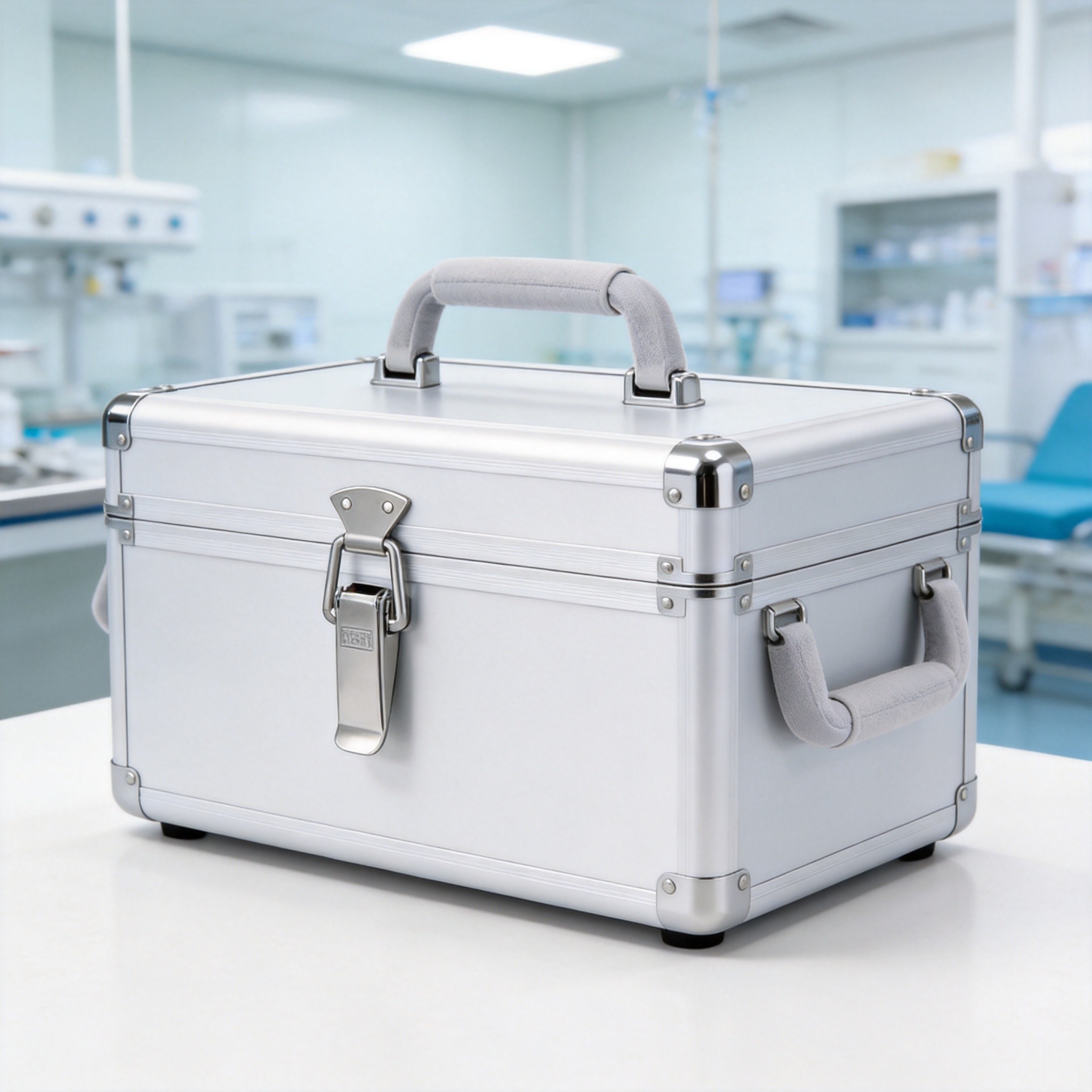
Veterinary and Animal Care Equipment Case Hardware Durable Solutions for Field Use
Applicable Buyers: Veterinary equipment case manufacturers | Animal care product OEMs | Field medical kit fabricators | Transport enclosure builders | Veterinary supply distributors
Key finding: Veterinary equipment cases require hardware that withstands daily disinfection, moisture, impact, and temperature extremes. SUS304 stainless steel handles, spring-loaded slide latches (5101 series), and continuous piano hinges provide the corrosion resistance and durability needed for field veterinary applications. The R5101-105K offers a lockable spring-loaded slide latch in both 201 stainless steel (80g) and iron/nickel-plated (86g) variants, each with 392N tensile strength.
Veterinary equipment operates in conditions that destroy ordinary case hardware. Blood, disinfectants, animal waste, mud, and temperature swings attack latches, handles, and hinges on every call. Hardware that corrodes, jams, or breaks under these conditions puts instruments at risk and slows down emergency response. This article examines the hardware requirements specific to veterinary and animal care cases, identifies the components that perform reliably in the field, and provides a selection guide for specifying the right hardware for each application.
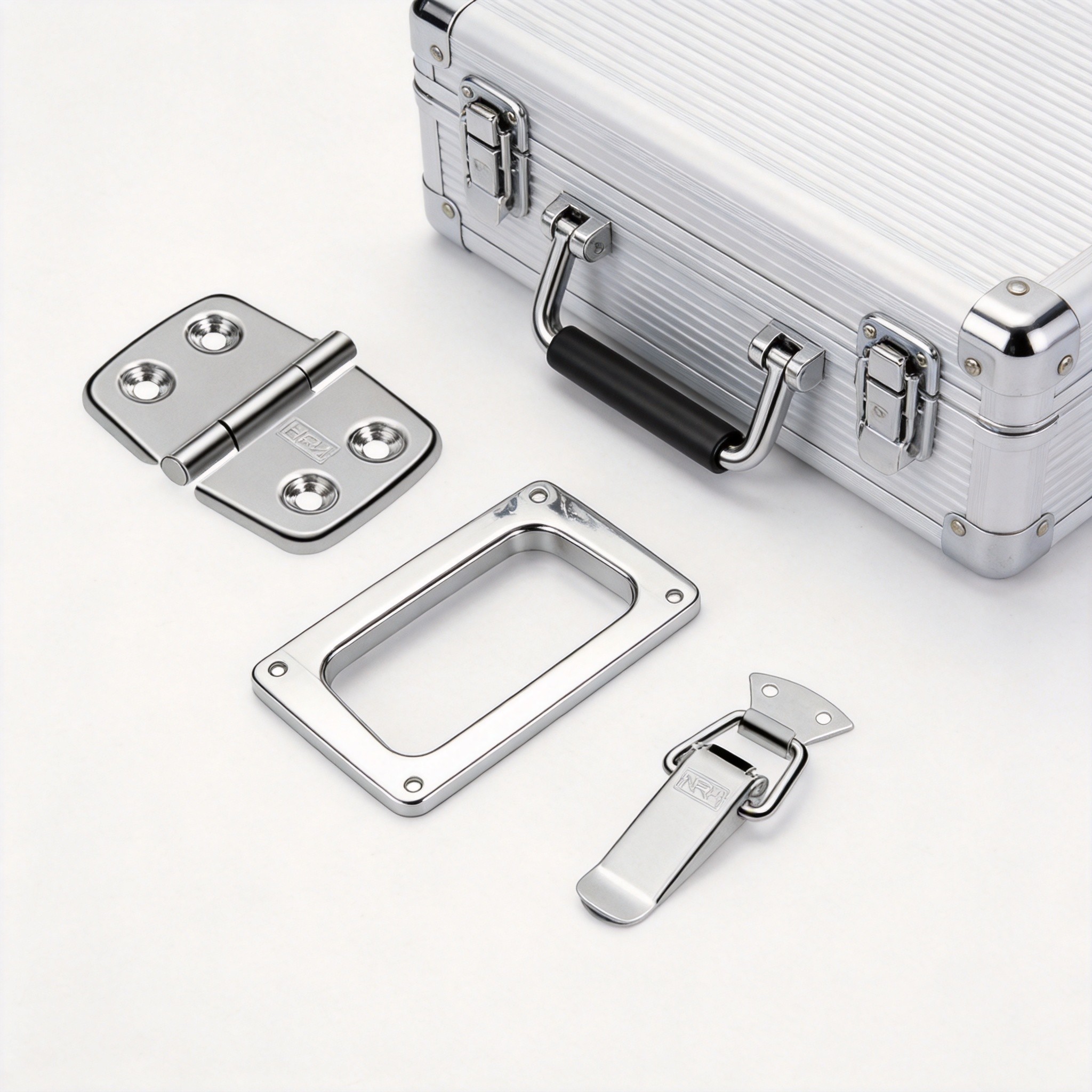
Hardware Demands in Veterinary and Animal Care Applications
Veterinary cases face a combination of stresses that most industrial enclosures never encounter. Understanding these stresses is essential before selecting any hardware component.
Chemical exposure. Veterinary instruments and transport enclosures require frequent disinfection with quaternary ammonium compounds, bleach, isopropyl alcohol, and chlorhexidine. These chemicals degrade zinc plating, attack chrome finishes, and corrode carbon steel hardware within months. A latch that survives three years on a standard equipment case may fail in six months on a veterinary case that gets disinfected daily.
Moisture and washdown. Animal care equipment undergoes regular washdown, sometimes high-pressure rinsing, sometimes full immersion. Hardware must drain effectively and maintain function after repeated wet-dry cycles. Recessed handles that trap water become bacteria breeding sites. Hinges that retain moisture in pin joints seize after corrosion sets in.
Impact and handling abuse. Field veterinary kits get thrown into truck beds and dropped on barn floors. Animal transport enclosures withstand kicks, bites, and shifting loads. Hardware on these cases absorbs forces far beyond normal handling. A corner protector that deforms under impact leaves the case vulnerable. A latch that pops open under shock allows instruments to scatter or animals to escape.
Temperature extremes. Mobile veterinary units operate across a temperature differential exceeding 60 degrees Celsius. Metal hardware expands and contracts, loosening fasteners, reducing clamp force on latches, and accelerating fatigue at stress concentrations.
Critical Hardware Components for Veterinary Equipment Cases
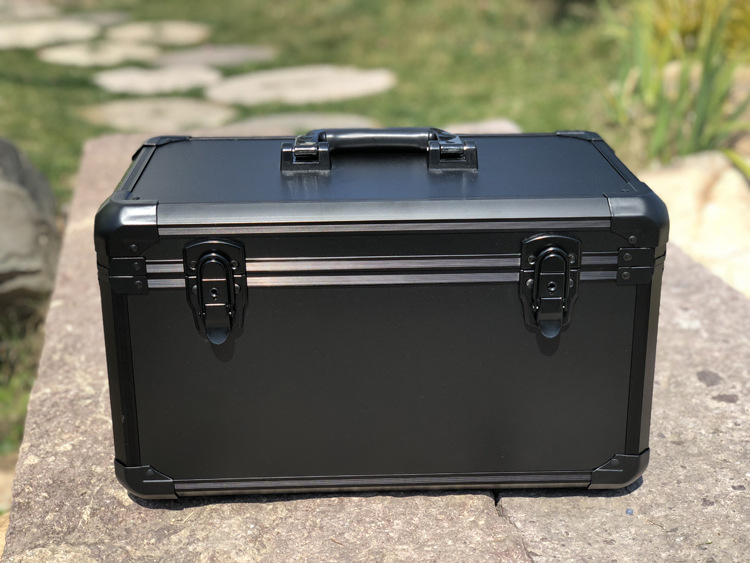
Washable and Hygienic Handles
Handles on veterinary cases must withstand repeated disinfection while supporting the weight of the case and its contents. Recessed handles are the preferred choice for most veterinary applications because they sit flush with the case surface when not in use. This design eliminates crevices where biological material accumulates and simplifies wipe-down procedures.
The 4101 series recessed handle in SUS304 stainless steel with bright finish delivers a 60kg load rating at 215g. For heavier transport enclosures, the iron variant with chrome plating increases capacity to 80kg. Both fold flat against the case surface, reducing snagging risk during loading.
Spring-loaded folding handles from the 4201 series suit compact field kits. The 4201-100 in SUS304 with bright finish carries a 25kg rating at 122g. The spring return keeps the handle tucked against the case when released, preventing damage during stacking.
For large animal transport enclosures, U-handle designs from the 4301 series provide two-point mounting with a 50kg load rating. The SUS304 version with vibratory finish weighs 142g and resists corrosion from disinfectant exposure.
Corrosion-Resistant Latches and Locks
Latches on veterinary cases must do three things simultaneously: stay closed under shock, resist corrosion from chemical exposure, and operate reliably with gloved hands.
The 5101 series spring-loaded slide latch is the workhorse for veterinary instrument cases. The 5101-96 in SUS304 with vibratory finish delivers a tensile load rating of 392N at 90g, with a built-in spring that automatically returns the latch to the closed position when released. This auto-return feature is particularly valuable in veterinary applications where operators need both hands free during procedures.
The R5101-105K adds a keyed lock for securing controlled substances and pharmaceutical kits, available in two material variants:
| Parameter | R5101-105K (201 SS) | R5101-105K (Iron/Ni) |
|---|---|---|
| Material | 201 Stainless Steel | Iron / Nickel-plated |
| Finish | Vibratory Grinding (ZG) | Nickel-plated |
| Weight | 80g | 86g |
| Tensile Strength | 392N | 392N |
| Lock Function | Keyed lock | Keyed lock |
| Spring Function | Auto-return spring | Auto-return spring |
| Best Application | Corrosive environments, frequent disinfection | Cost-effective, indoor use |
Both variants use a spring-loaded slide mechanism that automatically returns the latch to the closed position when released. The keyed lock provides security for controlled substances and pharmaceutical kits. The 201 stainless steel variant offers superior corrosion resistance for applications involving frequent disinfection, while the iron/nickel-plated variant provides a cost-effective option for indoor or controlled environments.
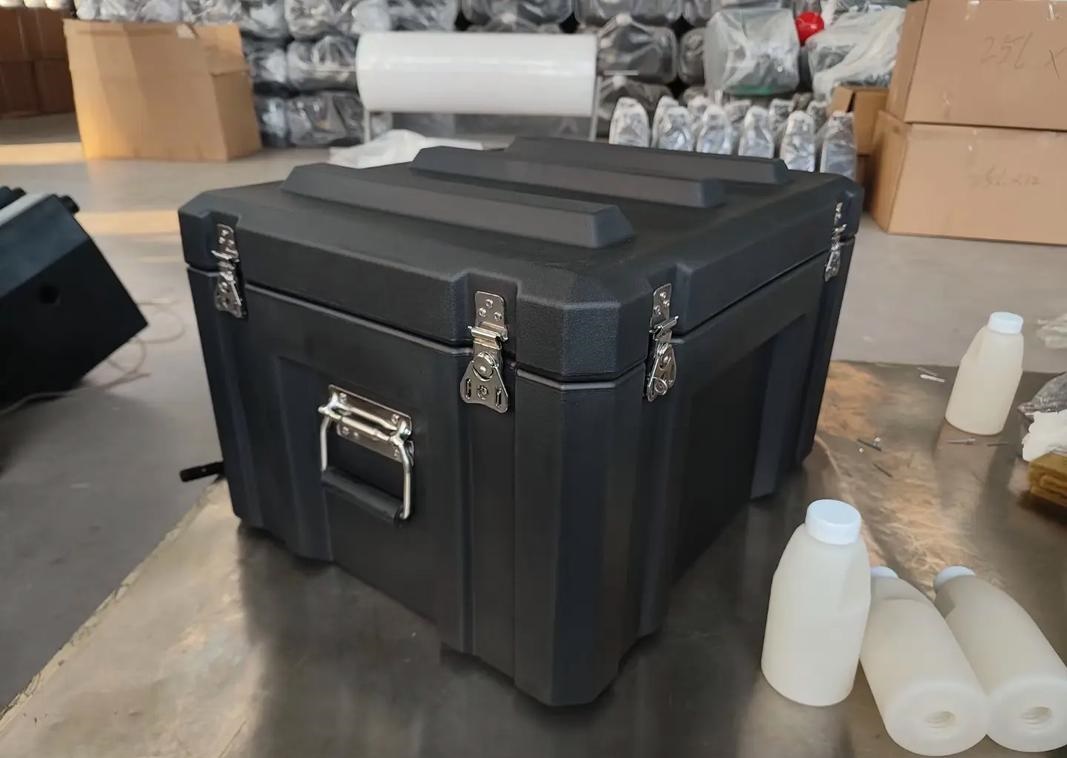
For cases requiring higher clamping force, the 5103 series draw latch provides a 700N tensile rating. The 5103-63K-S04-ZG in SUS304 with vibratory finish weighs 36g and offers the highest tensile strength in the spring-loaded latch category.
When security is paramount, the 6306 series case lock adds keyed locking with a 588N tensile rating at 203g. The 6306-85 in electroplated zinc delivers 588N of tensile resistance. The 6306-85-1 with electrophoretic black finish offers the same 588N rating in a non-reflective coating that reduces visual distraction around sensitive animals.
Compression latches from the 5301 series apply a fixed clamping force that compresses a gasket seal. This design suits veterinary cases that must maintain a watertight or airtight seal to protect sterile instruments or contain biological samples.
Heavy-Duty Hinges for Repeated Access
Veterinary instrument cases open and close dozens of times per day in busy clinics. Field kits see less frequent access but harsher handling between uses. Both demand hinges that maintain alignment and pivot smoothly over thousands of cycles.
Continuous piano hinges from the 8001 series provide full-length support along the case lid. The continuous design distributes load across the full hinge length rather than concentrating it at two or three pivot points, preventing lid sag and maintaining uniform gasket compression.
For smaller cases where a full piano hinge is unnecessary, short butt hinges from the 8201 series offer a compact solution. The 8201-50 in SUS304 with bright finish carries a 10kg load rating at 52g per unit. Two or three butt hinges along a case lid provide adequate support for most veterinary instrument cases up to 400mm in width.
Support hinges with a 90-degree stay from the 8131 series add lid-positioning capability. The 8131-70 in chrome-plated iron holds the lid at 90 degrees with a 10kg load rating. This suits veterinary cases where the open lid serves as a work surface or instrument tray during procedures.
Corner Protectors for Impact Resistance
Corners are the first points of impact when a case is dropped. Corner protectors from the 7201 and 7101 series absorb and distribute impact energy, preserving case structural integrity. The 7201-40-1 in SUS304 with vibratory finish weighs just 22g per unit but covers the critical intersection of three case edges. For larger transport enclosures, the 7301-38 corner protector in chrome-plated iron provides broader coverage at 17g per unit.
Material Selection for Field Veterinary Hardware
Material choice determines whether hardware survives six months or six years in veterinary service. Three material families cover the range of requirements.
SUS304 stainless steel is the default recommendation for veterinary case hardware. It resists corrosion from disinfectants, blood, urine, and saline solutions without requiring surface plating. Vibratory finish (ZG) provides a uniform matte surface that hides scratches. Bright finish (LG) offers a polished look for presentation-grade instrument cases. SUS304 costs more than plated iron at purchase but delivers lower total cost of ownership through extended service life in corrosive environments.
SUS316 stainless steel adds molybdenum to the alloy, improving resistance to chloride-induced pitting. This matters for marine coastal veterinary practices and applications involving prolonged saline exposure. SUS316 carries a price premium over SUS304 but eliminates pitting risk in aggressive environments.
Plated iron works for budget-sensitive applications with infrequent disinfection. Chrome plating provides moderate corrosion resistance with an attractive finish. Zinc plating with passivation offers better protection at lower cost. Electrophoretic black coating (BK4) adds a non-reflective surface that reduces visual disturbance around sensitive animals. Plated iron hardware requires regular inspection in veterinary service and replacement when plating degrades.
Selection Guide: Matching Hardware to Veterinary Case Types
| Case Type | Handle | Latch | Hinge | Corner |
|---|---|---|---|---|
| Instrument case (small, under 10kg) | 4201 spring handle | 5101-96 spring slide latch | 8201 short hinge | 7201-40-1 |
| Instrument case (medium, 10-25kg) | 4101 recessed handle | R5101-105K w/ lock | 8101 butt hinge | 7201-40-1 |
| Field medical kit (rugged) | 4101-132 recessed handle | 5103-63K draw latch | 8001 piano hinge | 7301-38 |
| Animal transport enclosure | 4301 U-handle | 6306-85 case lock | 8001 piano hinge | 7301-38 |
| Pharmaceutical case (sealed) | 4101 recessed handle | 5301 compression latch | 8201 short hinge | 7301-45 |
| Disposable transport box | None / strap | 5104 strip latch | 8101 butt hinge | 7601-30 |
What Happens If You Choose Wrong?
- Using zinc-plated latches in daily disinfection: Quaternary ammonium compounds accelerate zinc corrosion. Plating fails within 6-12 months, exposing steel to rust. Specify SUS304 or 201 stainless steel for veterinary applications.
- Choosing recessed handles without drainage: Handles that trap moisture become bacteria breeding sites and accelerate corrosion. Select designs with open-bottom construction or drainage provisions.
- Using butt hinges on large veterinary cases: Short hinges create stress concentration at pivot points. Continuous piano hinges distribute load evenly and maintain gasket seal integrity.
- Specifying non-locking latches for pharmaceutical kits: Controlled substances require secure storage. The R5101-105K with integrated lock provides necessary security for regulated items.
- Using standard steel hardware in coastal veterinary practices: Chloride corrosion destroys standard hardware within months. Specify SUS304 or SUS316 stainless steel for coastal environments.
Application Summary
Veterinary equipment cases demand hardware that withstands chemical disinfection, moisture, impact, and temperature cycling. SUS304 stainless steel provides the corrosion resistance essential for these applications. Spring-loaded slide latches like the 5101-96 and R5101-105K offer auto-return functionality with 392N tensile strength, available in both stainless steel and iron/nickel-plated variants to match budget and environmental requirements.
Key selection factors for veterinary case hardware include:
- Corrosion resistance: SUS304 or 201 stainless steel for disinfection exposure; iron/nickel-plated for indoor controlled environments
- Auto-return functionality: 5101 and R5101 series latches spring back to closed position when released
- Lockable security: R5101-105K provides keyed locking for controlled substances
- Flush handle design: 4101 series recessed handles eliminate crevices and simplify cleaning
- Load distribution: Piano hinges maintain alignment and seal integrity on larger cases
- Impact protection: Corner protectors absorb drops and impacts at vulnerable points
Recommended for similar applications: This hardware selection guide is also applicable to mobile veterinary units, large animal transport containers, pharmaceutical storage cases, and any medical field equipment requiring durable, cleanable hardware.
Frequently Asked Questions
Q: What type of handle is best for veterinary instrument cases that require frequent disinfection?
Data answer: Recessed handles in SUS304 stainless steel are the best option. They fold flush with the case surface, leaving no crevices for biological residue. The 4101-132 in SUS304 with a 60kg load rating is a proven choice.
Q: Can standard zinc-plated latches survive daily disinfection with quaternary ammonium compounds?
Data answer: Not reliably. Zinc-plated latches may last 6 to 12 months under daily disinfection before the plating fails and underlying steel rusts. SUS304 or 201 stainless steel latches eliminate this failure mode entirely.
Q: What is the difference between 5101-96 and R5101-105K?
Data answer: The 5101-96 is a spring-loaded slide latch in SUS304 with 392N tensile strength. The R5101-105K adds a keyed lock for security and is available in 201 stainless steel (80g) or iron/nickel-plated (86g) variants.
Q: Are piano hinges necessary for veterinary cases, or are butt hinges sufficient?
Data answer: For cases up to 400mm wide with lids under 5kg, two or three butt hinges provide adequate support. For larger cases where the lid must maintain uniform gasket compression, a continuous piano hinge is the better choice.
Q: What corner protector material works best for animal transport enclosures?
Data answer: SUS304 stainless steel corner protectors offer the best combination of impact resistance, corrosion resistance, and cleanability for animal transport. Chrome-plated iron corners are acceptable for short-term or low-cost transport boxes.
Q: Do veterinary cases require locking hardware?
Data answer: Any veterinary case containing controlled substances, pharmaceutical-grade medications, or regulated biological samples requires locking hardware. The R5101-105K with integrated lock provides keyed security. Non-locking latches are acceptable for cases without controlled items.
Q: How does SUS316 compare to SUS304 for veterinary applications?
Data answer: SUS316 contains 2 to 3 percent molybdenum, providing better resistance to pitting in chloride-rich environments. This matters for coastal veterinary practices. For most inland applications, SUS304 provides sufficient corrosion resistance at lower cost.
Q: What is the expected service life of stainless steel case hardware in veterinary field use?
Data answer: SUS304 hardware typically lasts 5 to 10 years in veterinary field service. The primary failure mode is mechanical wear at hinge pivot points and latch engagement surfaces, not corrosion. Lubricating hinge pins every 6 to 12 months extends service life.
Need help choosing the right hardware for your veterinary case application? Contact our technical team for specification support and sample requests.
Contact Information:
- TEL and WhatsApp and WeChat: +86 180 1797 5137
- E-MAIL: nrh-gz@nrh.cn
- ADD: Room 1703-1704, Zhongji Mansion, 819 Yinxiang Road, Nanxiang Town, Jiading District, Shanghai, China