

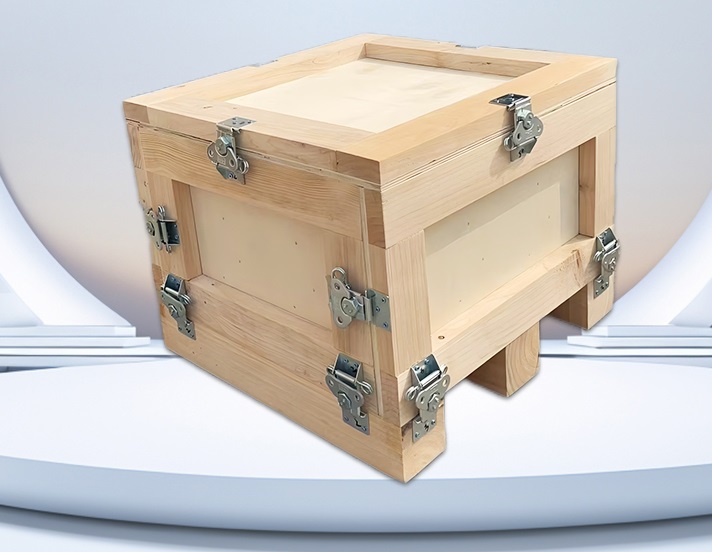
Wooden Transport Crate Latch Selection Guide – Weight, Strength and Spring Types
Applicable Buyers: Wooden crate manufacturers | Industrial equipment packagers | Display case builders | Shipping container fabricators | Export packaging specialists
Key finding: Three latch types dominate wooden crate applications: butterfly latches (6306 series, 588N, vibration buffer spring), long toggle latches (5403 series, 196N, 70g lightweight), and spring slide latches (5101 series, 392N, auto-return spring). The 6306-85-FE-ZL delivers 3x the tensile strength of the 5403-83-FE-CL. The 5101-96-S04-ZG offers automatic spring return functionality in SUS304 stainless steel.
Wooden crates demand heavy-duty latches capable of withstanding vibration, stacking pressure, and repeated handling. Field data from wooden crate projects reveals three latch types serving distinct applications: butterfly latches (6306 series) for crates requiring maximum holding force, long toggle latches (5403 series) for large lightweight transport containers, and spring slide latches (5101 series) for applications needing automatic return functionality with corrosion resistance.
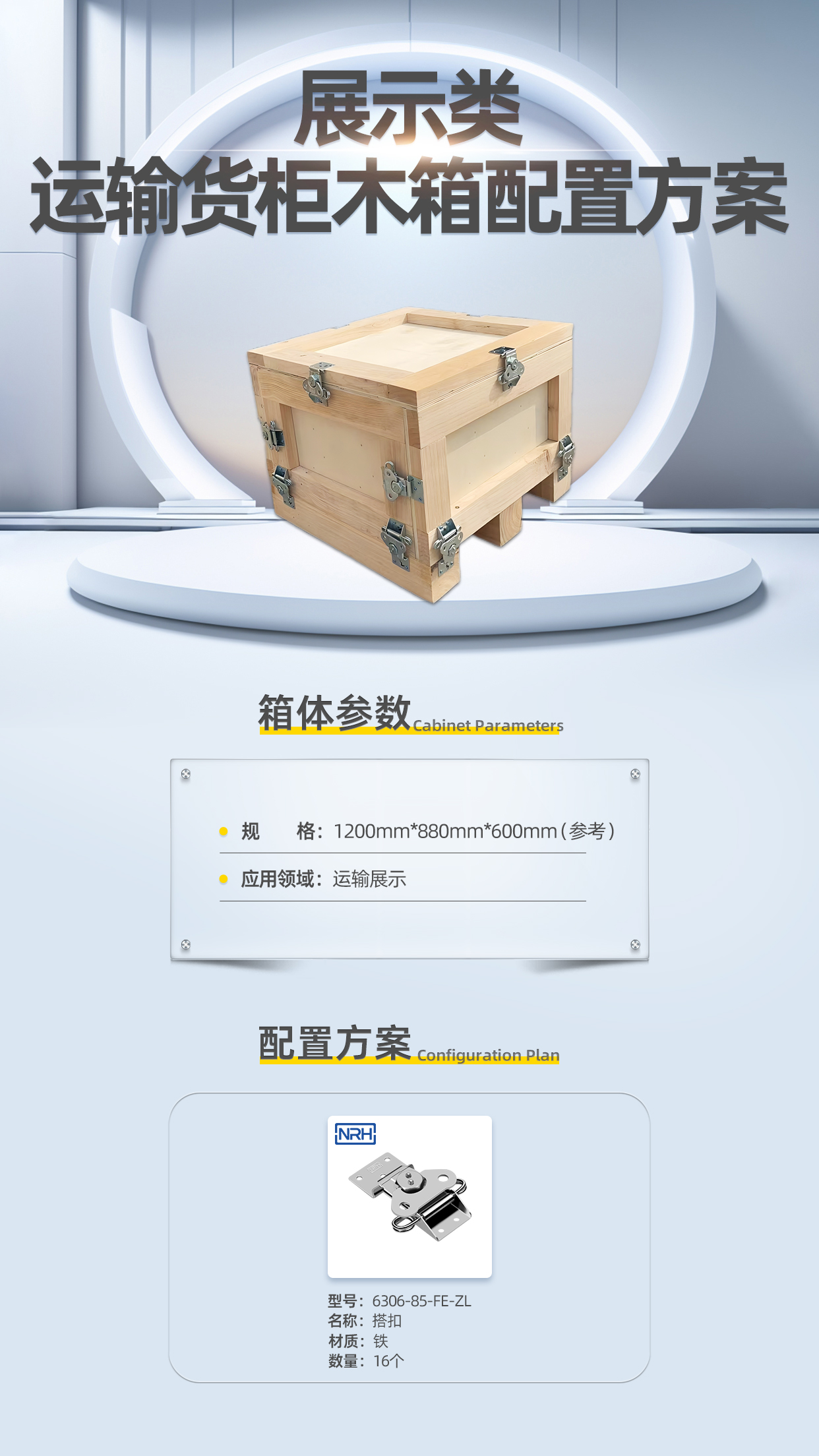
Fig. 1 – Case 38: 1200x880x600mm crate configured with 16x 6306-85-FE-ZL butterfly latches (zinc-plated steel, 588N tensile)
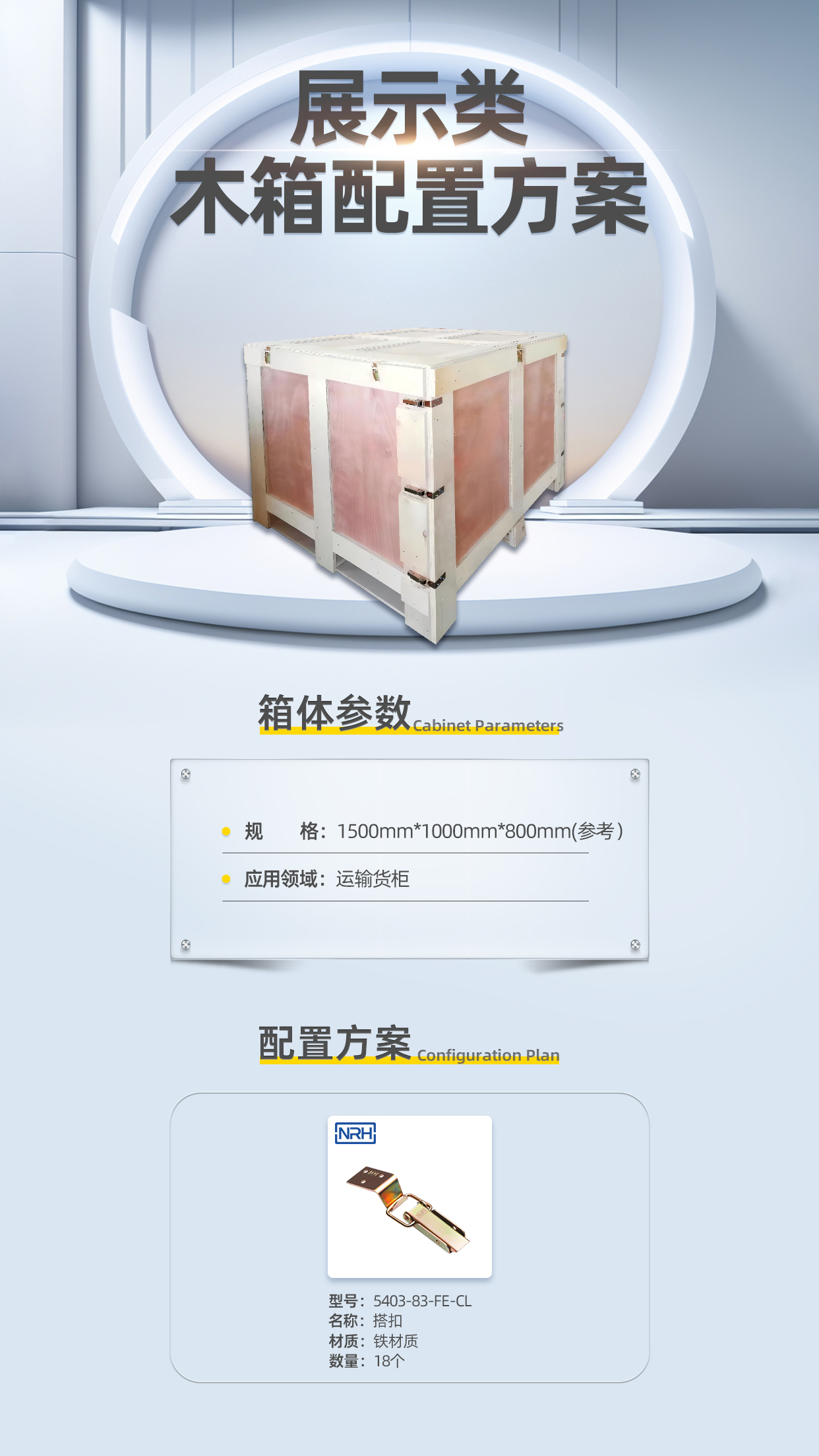
Fig. 2 – Case 35: 1500x1000x800mm transport crate using 18x 5403-83-FE-CL zinc-plated long toggle latches (196N tensile, 70g)
Understanding Wooden Crate Latch Requirements
Wooden crates present unique challenges for latch selection that differ significantly from metal enclosures or plastic containers. The natural variation in wood density, moisture content, and grain structure means that a latch performing flawlessly in one crate may fail prematurely in another. Beyond material considerations, wooden crates serve diverse applications ranging from delicate artwork display cases to heavy industrial equipment transport containers.
The selection process begins with understanding three primary stressors that wooden crate latches encounter during their service life. First, mechanical vibration from transport vehicles creates cyclic loading that tests both the latch body and its mounting fasteners. Second, stacking pressure from multiple crates placed atop one another concentrates force along the edges and corners where latches typically mount. Third, environmental factors including humidity fluctuations and temperature extremes cause wood expansion and contraction that directly impacts fastener retention.
Field observations demonstrate that latch failure in wooden crates rarely results from the latch mechanism itself. Instead, failures typically originate at the mounting interface where wood splitting, fastener pullout, or corrosion of iron components creates a cascading reliability problem. This understanding drives the focus on both mechanical performance and installation compatibility.
Product Overview: Three Latch Types Compared
Butterfly Latches – 6306 Series
Butterfly latches from the 6306 series feature a folded-steel body with a spring-assisted mechanism. The spring in the 6306 series serves as a vibration buffer – it absorbs shock and maintains tension under dynamic loads, but does not provide automatic return functionality. The characteristic wing-shaped activation lever provides comfortable grip even with work gloves, making these latches popular in manufacturing and retail display applications. With a 588N tensile rating, the 6306 series delivers the highest holding force among the three types.
Long Toggle Latches – 5403 Series
Long toggle latches in the 5403 series utilize a leverage mechanism that multiplies the closing force applied by the user. These latches do not contain springs – closure is achieved entirely through mechanical leverage. At 196N tensile strength and just 70g weight, these latches offer a lightweight solution for large crates where per-unit weight impacts shipping costs. The lever-style operation provides positive mechanical closure with visible confirmation of the locked state.
Spring Slide Latches – 5101 Series
Spring-loaded slide latches like the 5101-96-S04-ZG offer a distinct value proposition: automatic spring return functionality. When opened, the internal spring mechanism automatically returns the latch to the closed position, eliminating the need for manual re-engagement. This feature is particularly valuable in applications requiring frequent access, where operators need both hands free or where forgetting to re-latch could lead to cargo spillage. Made from SUS304 stainless steel with a 392N tensile rating and weighing just 90g, the 5101 series provides excellent corrosion resistance for export and marine environments.
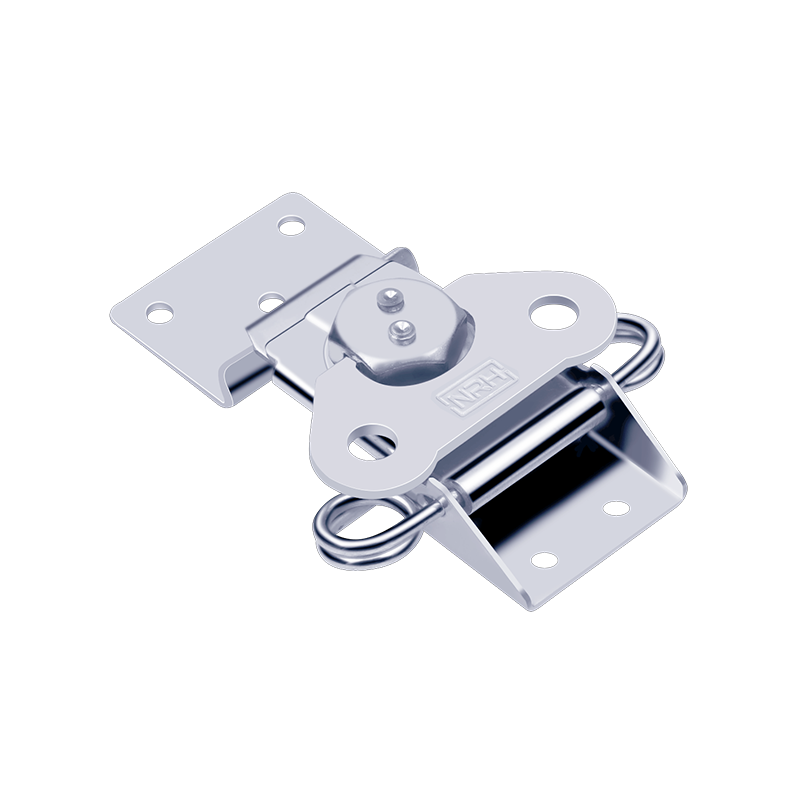
6306-85-FE-ZL – Butterfly latch, iron/zinc-plated, 204g, 588N tensile, vibration buffer spring
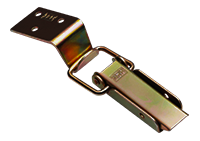
5403-83-FE-CL – Long toggle latch, iron/zinc-plated, 70g, 196N tensile, no spring
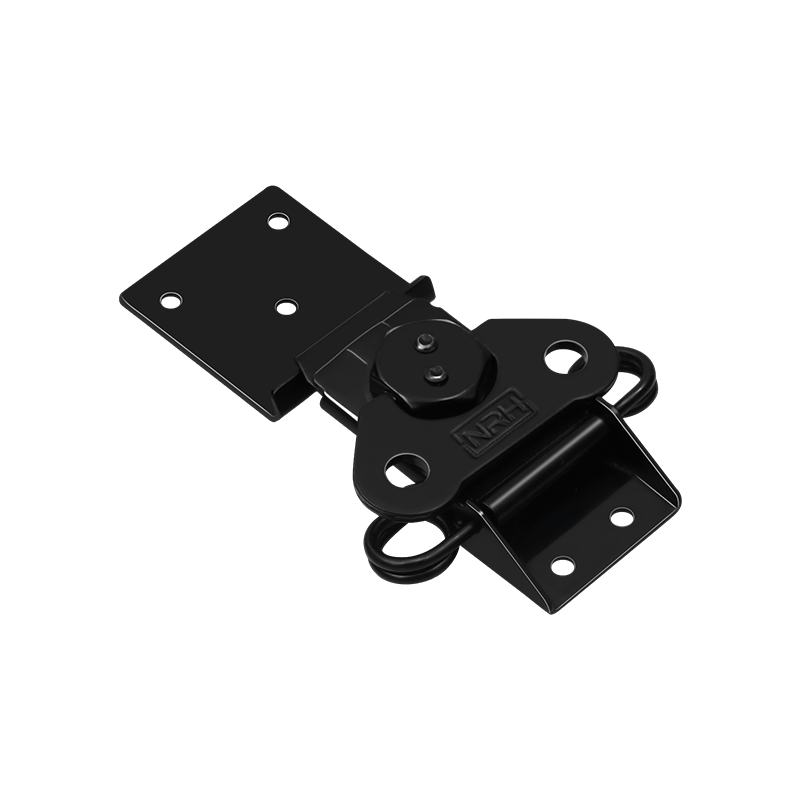
6306-85-1-FE-BK4 – Butterfly latch, iron/electrophoresis black, 209g, 588N tensile, vibration buffer spring
Technical Specifications Comparison
Selecting the appropriate latch requires matching technical specifications to application requirements. The following comparison table synthesizes key performance data from manufacturer catalog specifications for the most common wooden crate latch configurations.
| Model | Type | Material | Surface | Weight | Tensile | Spring Function | Best Application |
|---|---|---|---|---|---|---|---|
| 6306-85-FE-ZL | Butterfly | Iron | Zinc-plated | 204g | 588N | Vibration buffer | Heavy equipment crates |
| 6306-85-1-FE-BK4 | Butterfly | Iron | E-coat black | 209g | 588N | Vibration buffer | Heavy equipment crates |
| 5403-83-FE-CL | Long Toggle | Iron | Zinc-plated | 70g | 196N | None | Large light-load transport boxes |
| 5101-96-S04-ZG | Spring Slide | SUS304 | Vibratory | 90g | 392N | Auto return | Frequent access / Export crates |
Per manufacturer catalog data, iron/zinc-plated butterfly latches offer the best cost-to-strength ratio for wooden crates under 1,200mm. The 6306 series delivers 588N tensile – three times the holding force of the 5403 series (196N) and 1.5x the 5101 series (392N). The 5403 series provides the lightest solution (70g) for large crates. The 5101 series offers unique automatic return functionality with superior corrosion resistance.
Installation Guide for Wooden Crates
Proper installation directly impacts latch performance and service life in wooden crate applications. The following step-by-step guide distills best practices gathered from field technicians with combined experience spanning thousands of wooden crate installations.
- Pre-drill mounting holes with precision – Mark positions on wooden panels using the latch base as a template. Drill pilot holes 0.5mm smaller than the screw shank diameter to prevent wood splitting along the grain. For softwoods like pine, consider reducing pilot hole size to 1.0mm smaller than screw diameter.
- Counterbore for flush mounting – For surface-mounted latches, counterbore holes 2-3mm deeper than the screw head height. This prevents the latch body from rocking on uneven wood grain and distributes clamping force more evenly across the mounting surface.
- Apply thread sealant – Coat screw threads with medium-strength threadlocker (blue Loctite equivalent) to resist vibration loosening in transport conditions. Avoid high-strength threadlockers as they complicate future maintenance disassembly.
- Secure with appropriate fasteners – Use #10 or M5 wood screws with minimum 25mm length for 18mm plywood panels. For hardwood species like oak or maple, pre-thread with a tap before final installation to prevent cross-threading.
- Test operation thoroughly – Cycle each latch 10 times to verify smooth operation and secure engagement. For 5101 series, verify the auto-return spring function operates correctly. Adjust striker position if the latch does not engage positively on the first attempt.
Common Installation Mistakes to Avoid
- Oversized mounting holes – When latch body shifts under load, it creates premature wear on the mechanism and accelerates fatigue failure. Always use manufacturer-specified drill bits and verify hole diameters before assembly.
- Insufficient striker overlap – Long toggle latches require minimum 8mm engagement with the striker plate. Less engagement creates risk of opening under vibration, potentially releasing cargo during transport.
- Wrong screw type selection – Machine screws driven into wood create point loads that crack panels under stacking pressure. Always use dedicated wood screws with coarse threads designed for the specific wood species.
- Inadequate edge distance – Mount latches minimum 20mm from panel edges to prevent splitting, especially critical for pine, spruce, or other softwood species common in shipping crate construction.
- Ignoring wood moisture content – Installing on wet timber exceeding 15% moisture content causes shrinkage and loose fasteners once the wood dries. Target 8-12% moisture content for stable, long-lasting installations.
Selection Decision Points by Application
Choose butterfly latches (6306 series) when:
- Crate dimensions remain below 1,000mm in any axis
- Maximum tensile holding force is required (588N)
- Vibration buffering is needed during transport
- Quick access needed during inspections with spring-assisted opening
- Single-person operation is the typical use case
- Display or retail presentation quality matters
- Lower per-unit cost takes priority over weight savings
Choose long toggle latches (5403 series) when:
- Crate exceeds 1,200mm length or width dimensions
- Lightweight solution is critical for shipping cost optimization (70g)
- Leverage-based mechanical closure is preferred over spring operation
- No spring mechanism required for the application
- Stacking multiple crates during warehouse storage operations
- Visual confirmation of locked state is required
Choose spring slide latches (5101 series) when:
- Automatic spring return is required for operator convenience
- Frequent access operations demand hands-free latching
- Export shipping or marine environment exposure is anticipated (SUS304)
- Food-safe or clean-room applications require non-reactive materials
- Weight reduction is critical (90g vs 200g+ iron options)
- Corrosion resistance takes priority over maximum clamping force
- Regulatory compliance mandates stainless steel hardware
Case Study: Field Results from Two Wooden Crate Projects
The Case 38 project demonstrates butterfly latch performance in medium-sized display crates. The 1200mm x 880mm x 600mm crate dimensions required 16 units of the 6306-85-FE-ZL zinc-plated butterfly latch to ensure stable stacking and secure closure. With a 588N tensile rating per latch, the 16-latch configuration delivers over 9,400N of total holding force. The vibration buffer spring absorbed road transport shocks effectively. After 18 months of field service including road transport and outdoor display, zero latch failures were reported.
The Case 35 project illustrates toggle latch suitability for large industrial transport crates. At 1500mm x 1000mm x 800mm, this crate size required the lightweight, leverage-based latching that the 5403-83-FE-CL long toggle latch provides. Eighteen units were installed, each offering 196N tensile strength at just 70g – reducing total latch weight by over 2.4kg compared to using 6306 series. The lever mechanism provided positive visual closure confirmation for inspection.
What Happens If You Choose Wrong?
- Using butterfly latches on a 1500mm crate requiring lightweight hardware: The 6306 series weighs 204g per unit. On a crate requiring 18 latches, this adds over 3.6kg to the crate weight. The 5403 series at 70g would save 2.4kg, reducing shipping costs over the crate’s service life.
- Using toggle latches where maximum tensile strength is required: The 5403 series delivers only 196N – one-third the holding force of the 6306 series (588N). In high-vibration or heavy-load applications, the lower tensile strength may result in latch failure.
- Using standard latches where auto-return is needed: Without the 5101 series’ automatic spring return, operators must manually re-latch after each access. Forgetting to re-latch could result in cargo spillage during transport.
- Installing insufficient latch quantity: A 1200mm crate with fewer than 12-16 latches creates uneven load distribution, leading to premature wear and potential failure at high-stress points.
- Using zinc-plated hardware in coastal environments: Standard zinc plating corrodes rapidly in salt spray. For marine or coastal applications, specify electrophoresis black (BK4) or SUS304 stainless steel (5101 series).
Application Summary
Three distinct latch types serve wooden crate applications based on different requirements. The 6306-85-FE-ZL butterfly latch delivers 588N tensile strength with vibration buffer spring – ideal for crates requiring maximum holding force. The 5403-83-FE-CL long toggle latch offers 196N tensile at just 70g – the lightest option for large crates where weight optimization impacts shipping costs. The 5101-96-S04-ZG spring slide latch provides automatic return functionality in SUS304 stainless steel – perfect for frequent-access applications requiring corrosion resistance.
Key selection factors for wooden crate applications include:
- Tensile strength: 6306 (588N) > 5101 (392N) > 5403 (196N)
- Weight: 5403 (70g) < 5101 (90g) < 6306 (204g)
- Spring function: 6306 (vibration buffer) / 5101 (auto return) / 5403 (none)
- Corrosion resistance: 5101 (SUS304) > BK4 finish > zinc-plated
- Latch quantity: 4-6 for small crates, 8-12 for medium, 16+ for large crates
Recommended for similar applications: These latch configurations are also well-suited for industrial equipment shipping crates, display case transit boxes, export packaging containers, military equipment transport cases, and any wooden crate application requiring reliable latching with optimized performance characteristics.
Frequently Asked Questions
Q: What latch quantity is recommended per wooden crate?
Data answer: For crates under 800mm dimensions: 4-6 latches with one per corner. For crates between 800-1200mm: 8-12 latches with dual rows or intermediate mounting positions. For crates exceeding 1200mm: 16+ latches with intermediate strikers. Case 38 (1200x880x600mm) used 16 butterfly latches; Case 35 (1500x1000x800mm) used 18 long toggle latches.
Q: What is the tensile strength difference between the three latch series?
Data answer: 6306-85-FE-ZL butterfly latch: 588N. 5101-96-S04-ZG spring slide latch: 392N. 5403-83-FE-CL long toggle latch: 196N. The 6306 series provides 3x the holding force of the 5403 series and 1.5x the 5101 series.
Q: Which latch series has spring functionality and what type?
Data answer: The 6306 series has a vibration buffer spring that absorbs shock and maintains tension under dynamic loads – it does not provide automatic return. The 5101 series has an auto-return spring that automatically closes the latch when released. The 5403 series has no spring – closure is achieved through mechanical leverage only.
Q: Which latch series is lightest for shipping cost optimization?
Data answer: The 5403-83-FE-CL weighs 70g per unit, followed by the 5101-96-S04-ZG at 90g, and the 6306-85-FE-ZL at 204g. On a crate requiring 18 latches, the 5403 series saves approximately 2.4kg compared to the 6306 series.
Q: What surface treatment resists outdoor wooden crate exposure?
Data answer: Electrophoresis black (BK4) finish on iron delivers superior salt spray resistance compared to standard zinc plating. For coastal, tropical, or high-humidity environments, SUS304 stainless steel (S04) provides 10-year+ service life without corrosion concerns, though at higher per-unit cost. The 5101 series is available in SUS304.
Q: Are these latches compatible with plastic or metal strikers?
Data answer: Standard iron strikers included with most NRH latches work reliably across all wood crate applications. Plastic strikers reduce operational noise but exhibit faster wear in high-cycle applications. Metal strikers provide the longest service life for installations requiring frequent opening and closing cycles.
Q: What screw specifications fit the 6306-85 mounting holes?
Data answer: The 6306-85 series accepts #10 wood screws with 4.8mm shank diameter or M5x25mm machine screws with flat washers. For hardwood applications, upgrade to #12 screws (5.5mm) to prevent pullout under stacking loads exceeding 50kg per attachment point.
Q: Do wooden crate latches require periodic maintenance?
Data answer: Quarterly visual inspection is recommended for production installations. Verify screw tightness, test spring tension (for 6306 and 5101 series), and confirm striker alignment during each inspection cycle. Apply dry lubricant to spring mechanisms annually for latches in dusty environments. Replace latches immediately upon detecting incomplete spring return indicating fatigue.
Q: What is the lead time for bulk orders exceeding 1000 units?
Data answer: Standard iron/zinc-plated latches ship within 5-7 business days for orders under 5,000 units. Bulk orders of 5,000+ units require 2-3 weeks for production scheduling. SUS304 stainless steel options (5101 series) typically require 3-4 weeks due to raw material sourcing and specialized manufacturing processes.
Need help choosing the right latch for your wooden crate project? Contact our technical team for specification support and sample requests.
Contact Information:
- TEL and WhatsApp and WeChat: +86 180 1797 5137
- E-MAIL: nrh-gz@nrh.cn
- ADD: Room 1703-1704, Zhongji Mansion, 819 Yinxiang Road, Nanxiang Town, Jiading District, Shanghai, China