

Case Study: Stainless Steel Sterilization Baskets with Secure Latches for Hospital Supply Rooms
Hospital Central Sterile Supply Departments (CSSD), operating rooms, and dental clinics process thousands of surgical instruments every day. A sterilization basket that fails to secure its lid means instruments spill during autoclave cycles, contamination risks increase, and valuable surgical tools are damaged or lost. This case study examines how a medical equipment manufacturer equips its 304 stainless steel sterilization baskets with NRH 5106-39 locking latches – delivering secure lid closure, high-temperature resistance, and reliable performance through repeated autoclave sterilization cycles.
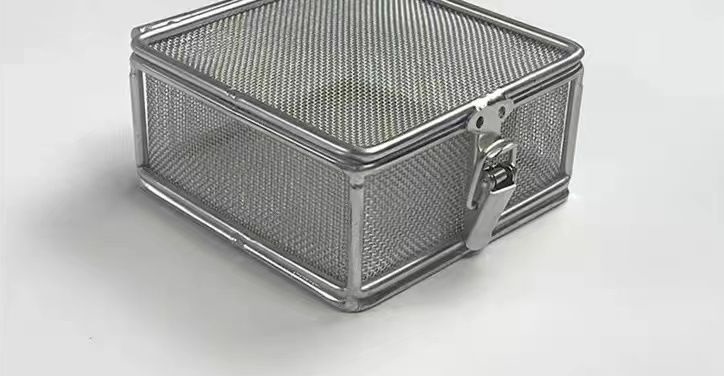
Figure 1: 304 stainless steel sterilization basket with NRH 5106-39 locking latch for hospital supply rooms
Applicable Buyers
- Medical sterilization basket and instrument tray manufacturers
- Hospital CSSD (Central Sterile Supply Department) equipment suppliers
- Surgical instrument case and tray fabricators
- Dental and veterinary sterilization equipment manufacturers
- Laboratory and pharmaceutical sterilization case builders
- Medical device OEMs requiring sterile barrier packaging
Key finding: The NRH 5106-39 locking latch delivers 170N tensile strength with 316 stainless steel construction and vibratory (ZG) finish. At only 10g, it adds negligible weight to the sterilization basket while providing secure lid closure through repeated autoclave cycles. The 316 stainless steel composition ensures corrosion resistance against enzymatic cleaners and high-temperature steam, with a spring-loaded mechanism that maintains consistent closure pressure even after thousands of open-close cycles. Available in 11 sizes from 6x6x5 cm to 48x25x7 cm with 0.8mm mesh, these sterilization baskets serve medical, dental, and laboratory applications.
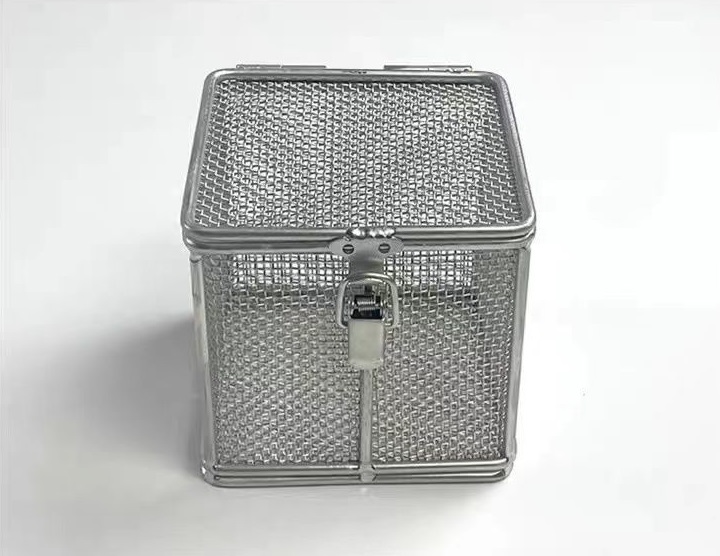
Figure 1a: NRH 5106-39 locking latch on stainless steel sterilization basket
What Happens If You Choose Wrong
Choosing the wrong hardware for a sterilization basket creates four critical failure modes:
- Lid opening during sterilization. A latch without adequate tensile strength can release during autoclave cycles when steam pressure builds inside the basket. The lid opens, instruments spill onto the sterilizer floor, and contamination risks increase. For surgical instruments, this means potential damage and compromised sterility.
- Corrosion from cleaning agents. Hardware without proper material selection will corrode when exposed to enzymatic cleaners, disinfectants, and high-temperature steam. Corroded latches seize, fail to close properly, and contaminate the sterilization environment. For medical applications, this creates infection control risks.
- Latch failure from high-temperature cycling. A latch without heat-resistant materials will lose spring tension or deform under repeated autoclave temperatures (typically 121-134 degrees C). Deformed latches cannot maintain consistent closure pressure, compromising the sterile barrier.
- Weight addition to handling load. Heavy hardware adds unnecessary weight to sterilization baskets that are lifted, carried, and stacked multiple times per shift. For CSSD technicians handling dozens of baskets daily, this creates ergonomic strain and fatigue.
The 5106-39 locking latch eliminates these risks through 316 stainless steel construction, 170N tensile strength, 10g lightweight design, and spring-loaded positive closure mechanism – ensuring reliable performance through thousands of sterilization cycles.
Configuration Summary
| Component | Model | Material | Finish | Key Specification | Qty |
|---|---|---|---|---|---|
| Locking Latch | 5106-39 | 316 stainless steel | Vibratory (ZG) | 170N tensile, 10g, spring-loaded | 1-2 |
| Basket Body | Custom | 304 stainless steel | Electropolished | 0.8mm mesh, with lid | 1 |
Product Specifications
5106-39 Locking Latch
Constructed from 316 stainless steel with a vibratory (ZG) finish, the 5106-39 is a locking latch designed for sterilization baskets requiring secure lid closure through high-temperature autoclave cycles. Its 170N tensile strength keeps the lid closed during sterilization and handling, while the spring-loaded mechanism provides automatic return and maintains consistent closure pressure. At only 10g, it adds minimal weight to the basket – critical for CSSD technicians handling multiple sterilization baskets daily. The 316 stainless steel composition provides superior corrosion resistance against enzymatic cleaners, disinfectants, and high-temperature steam compared to standard 304 stainless steel.
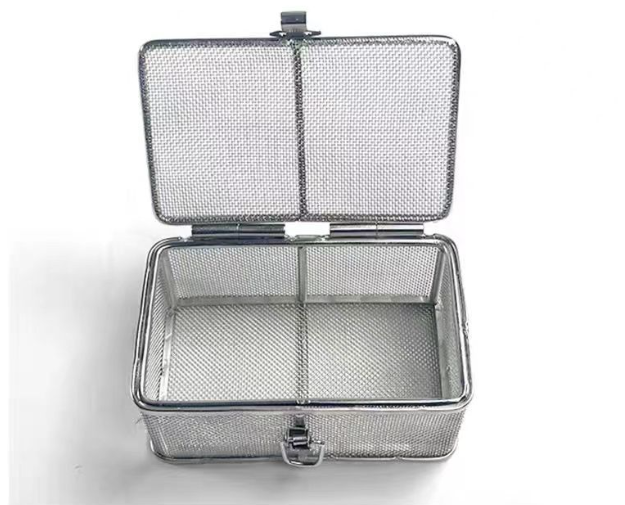
Figure 2: NRH 5106-39 locking latch – 316 stainless steel, vibratory finish, 170N tensile load, 10g
| Parameter | Specification |
|---|---|
| Model | 5106-39 |
| Type | Locking Latch |
| Material | 316 stainless steel |
| Surface Finish | Vibratory (ZG) |
| Weight | 10g |
| Tensile Load | 170N |
| Spring Type | Spring-loaded (automatic return) |
| Overall Dimensions | 48.5 x 22 x 13mm |
| Mounting Holes | 3 x 3mm |
Sterilization Basket (Custom)
The sterilization basket is constructed from 304 stainless steel mesh with an electropolished finish. The mesh design allows steam and cleaning solutions to penetrate freely during autoclave and ultrasonic cleaning cycles. The lid is secured by one or two 5106-39 locking latches, depending on basket size and instrument weight. The basket body is compatible with standard CSSD sterilization equipment and can be stacked for efficient storage.
Available sizes (L x W x H):
| Size | Mesh | Recommended Latches |
|---|---|---|
| 6 x 6 x 5 cm | 0.8mm | 1 |
| 8 x 8 x 5 cm | 0.8mm | 1 |
| 10 x 10 x 5 cm | 0.8mm | 1 |
| 15 x 10 x 5 cm | 0.8mm | 1-2 |
| 20 x 10 x 5 cm | 0.8mm | 1-2 |
| 20 x 15 x 5 cm | 0.8mm | 2 |
| 25 x 15 x 5 cm | 0.8mm | 2 |
| 30 x 20 x 7 cm | 0.8mm | 2 |
| 35 x 20 x 7 cm | 0.8mm | 2 |
| 40 x 25 x 7 cm | 0.8mm | 2 |
| 48 x 25 x 7 cm | 0.8mm | 2 |
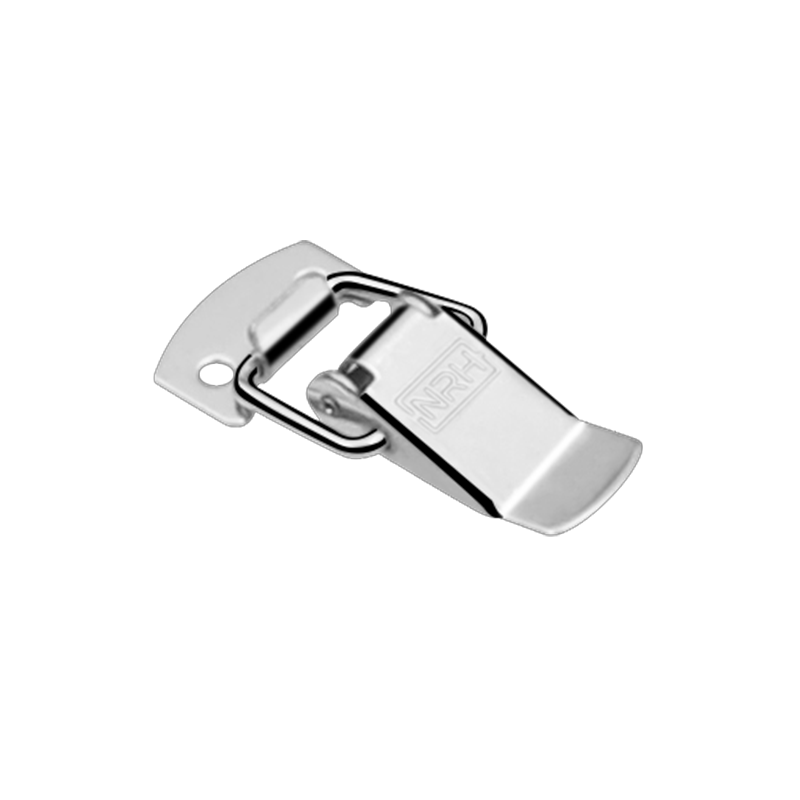
Figure 3: NRH 5106-39 locking latch for sterilization baskets – 316 stainless steel, 170N tensile load, 10g
Product Comparison
| Feature | 5106-39 Locking Latch | Standard Latch (Typical) |
|---|---|---|
| Material | 316 stainless steel | 304 stainless steel or iron |
| Tensile Load | 170N | Varies |
| Weight | 10g | Typically heavier |
| Corrosion Resistance | Excellent (316 grade) | Good to moderate |
| High-Temperature Resistance | Autoclave compatible | May degrade |
| Spring Mechanism | Integrated, automatic return | May lack spring |
Application Scenarios
Hospital CSSD (Central Sterile Supply Department)
CSSD technicians process hundreds of surgical instrument sets daily. The 5106-39’s 170N tensile strength ensures lids stay closed during automated washer-disinfector cycles and steam sterilization. The 316 stainless steel construction resists corrosion from enzymatic cleaners and high-temperature steam. At 10g per latch, the lightweight design reduces handling fatigue for technicians working multiple shifts. Available in sizes from 6x6x5 cm for small instrument sets to 48x25x7 cm for large surgical trays.
Operating Room Instrument Storage
Surgical instruments must be protected between procedures. Sterilization baskets with secure lids prevent instrument contamination during storage and transport. The 5106-39’s spring-loaded mechanism maintains consistent closure pressure, ensuring the lid remains secure even when baskets are stacked. The vibratory (ZG) finish provides a uniform matte surface that hides scratches from daily handling.
Dental and Veterinary Clinics
Dental and veterinary practices require sterilization solutions for smaller instrument sets. The 5106-39’s compact dimensions (48.5 x 22 x 13mm) fit small baskets and trays. The 316 stainless steel construction withstands repeated autoclave cycles without corrosion, making it ideal for clinics that may not have the same volume as large hospitals but still require reliable sterilization hardware. Small sizes (6x6x5 cm to 15x10x5 cm) are particularly suitable for dental burs, scalers, and small veterinary instruments.
Laboratory and Pharmaceutical Applications
Research laboratories and pharmaceutical facilities use sterilization baskets for glassware, pipettes, and lab equipment. The 5106-39’s corrosion resistance against cleaning agents and its ability to withstand high-temperature sterilization make it suitable for these demanding environments. The lightweight design adds minimal weight to baskets that are frequently moved between workstations.
Installation Guide
Tools Required
- Drill with 3.0mm bit (mounting holes for 5106-39)
- Measuring tape or ruler
- Marker for hole positioning
- Rivet gun or screwdriver with appropriate fasteners
Installation Steps
- Position the hardware. Place the 5106-39 locking latch on the front edge of the sterilization basket lid, aligned with the catch plate on the basket body. For baskets up to 15x10x5 cm, one latch may be sufficient. For larger baskets, use two latches symmetrically positioned for balanced closure pressure.
- Mark hole locations. Use the latch mounting flanges as templates. Mark the positions of the 3.0mm mounting holes on both the lid and the basket body.
- Drill mounting holes. Drill 3.0mm holes at the marked positions. For stainless steel mesh baskets, use a sharp bit and apply minimal pressure to avoid deforming the mesh.
- Install the hardware. Secure the 5106-39 latch components using rivets or screws. For medical applications, stainless steel rivets are recommended to maintain corrosion resistance.
- Test operation. Close the lid and engage the latch. The latch should flip smoothly and the lid should sit flush. The spring mechanism should provide positive closure feedback. Test the latch through multiple open-close cycles to verify consistent operation.
Installation Method Comparison
| Method | Advantages | Considerations |
|---|---|---|
| Stainless Steel Rivets | Permanent, corrosion-resistant, secure | Requires rivet tool; not removable |
| Stainless Steel Screws | Removable, adjustable, field-serviceable | Use thread-locker in high-vibration applications |
Key Installation Notes
- Use stainless steel fasteners only. For medical sterilization applications, use stainless steel rivets or screws to maintain corrosion resistance. Carbon steel fasteners will rust and contaminate the sterilization environment.
- Align catch plates precisely. The 5106-39 catch plate must align with the latch hook for proper engagement. Use the closed lid position to mark catch plate locations.
- Test spring function after installation. Verify the spring-loaded mechanism provides automatic return and consistent closure pressure. The latch should not bind or stick during operation.
- Consider latch quantity based on basket size. For baskets up to 15x10x5 cm, one 5106-39 latch may be sufficient. For larger baskets (20x15x5 cm and above), use two latches for balanced closure pressure.
Key Takeaways
- The 5106-39 locking latch provides 170N tensile strength with 316 stainless steel construction for sterilization basket applications
- 316 stainless steel composition provides superior corrosion resistance against enzymatic cleaners, disinfectants, and high-temperature steam
- Ultra-lightweight at 10g – minimal impact on handling ergonomics for CSSD technicians
- Spring-loaded mechanism maintains consistent closure pressure through thousands of autoclave cycles
- 11 sizes available from 6x6x5 cm to 48x25x7 cm with 0.8mm mesh, serving diverse medical and laboratory needs
- Suitable for hospital CSSD, operating rooms, dental clinics, veterinary practices, and laboratory sterilization applications
Frequently Asked Questions
What is the 5106-39 locking latch made from?
Constructed from 316 stainless steel with a vibratory (ZG) finish. 316 stainless steel provides superior corrosion resistance compared to 304 stainless steel, making it ideal for medical sterilization applications where exposure to enzymatic cleaners and high-temperature steam is frequent.
What is the tensile load capacity of the 5106-39?
The 5106-39 delivers 170N tensile load capacity (verified from NRH product specification drawings). This provides secure lid closure through automated washer-disinfector cycles and steam sterilization.
How much does the 5106-39 weigh?
Each 5106-39 latch weighs only 10g. This lightweight design is critical for CSSD technicians who handle multiple sterilization baskets daily, reducing ergonomic strain and fatigue.
Is the 5106-39 suitable for autoclave sterilization?
Yes. The 316 stainless steel construction and spring mechanism are designed to withstand repeated autoclave cycles at 121-134 degrees C without corrosion or loss of spring tension.
How many 5106-39 latches should be installed on a sterilization basket?
For baskets up to 15x10x5 cm, one latch is typically sufficient. For larger baskets (20x15x5 cm and above), two latches symmetrically positioned provide balanced closure pressure.
What sizes are available for the sterilization baskets?
The baskets are available in 11 sizes: 6x6x5 cm, 8x8x5 cm, 10x10x5 cm, 15x10x5 cm, 20x10x5 cm, 20x15x5 cm, 25x15x5 cm, 30x20x7 cm, 35x20x7 cm, 40x25x7 cm, and 48x25x7 cm. All sizes feature 0.8mm mesh.
What fasteners are recommended for installation?
Use stainless steel rivets or stainless steel machine screws with lock washers. Carbon steel fasteners will rust and are not suitable for medical sterilization applications.
What maintenance does the 5106-39 require?
The 5106-39 requires no lubrication. Lubricants can attract contaminants and are not recommended for medical applications. If friction increases, clean with isopropyl alcohol and dry thoroughly. The 316 stainless steel construction provides corrosion resistance without additional coatings.
Need Help Choosing?
Selecting the right hardware for sterilization baskets means matching material, tensile strength, and weight to the specific sterilization environment – hospital CSSD, operating room, dental clinic, or laboratory. If you need guidance on latch quantity, material selection, or installation for your sterilization basket project, we can help.
TEL and WhatsApp and WeChat: +86 180 1797 5137
E-MAIL: nrh-gz@nrh.cn
ADD: Room 1703-1704, Zhongji Mansion, 819 Yinxiang Road, Nanxiang Town, Jiading District, Shanghai, China