

Case Study: Portable Power Station Handles for Outdoor and Emergency Use
Outdoor enthusiasts, campers, overlanders, and emergency preparedness professionals rely on portable power stations to keep devices running off-grid. A power station that is difficult to carry defeats its purpose of portable power. This case study examines how a mobile power station manufacturer equips its 500W and 1000W portable power stations with NRH 4504-195-1-PVC-BK handles – delivering comfortable carrying, lightweight durability, and reliable performance for outdoor adventures and emergency backup applications.
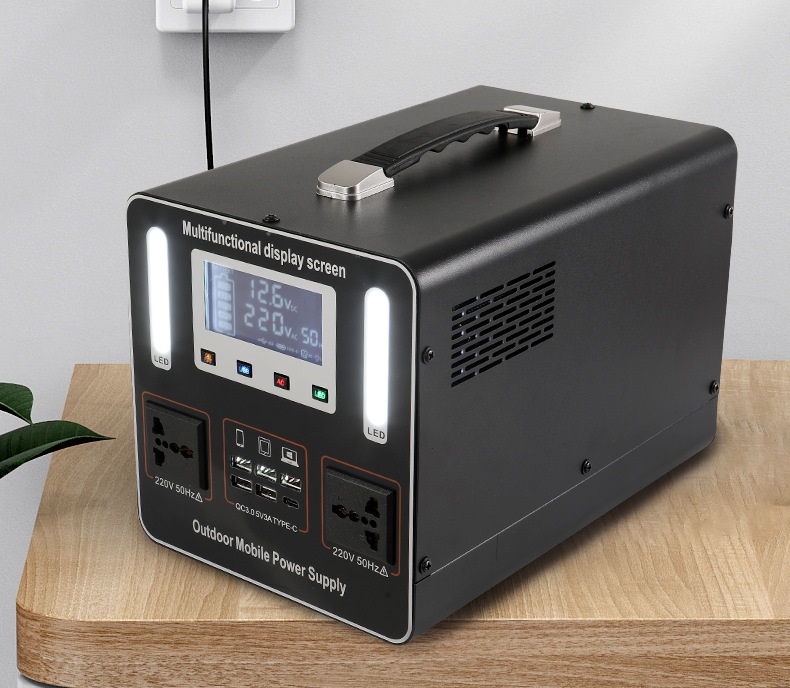
Figure 1: Portable power station with NRH 4504-195-1-PVC-BK handle for outdoor and emergency use
Applicable Buyers
- Portable power station and mobile generator manufacturers
- Outdoor and camping equipment brands
- Emergency preparedness and backup power suppliers
- RV and overlanding accessory manufacturers
- Power station case and enclosure fabricators
- Custom power solution providers for off-grid applications
Key finding: The NRH 4504-195-1-PVC-BK handle delivers 20kg load capacity with lightweight PVC construction and black finish. At only 79g, it adds minimal weight to the power station while providing comfortable carrying for 500W (260x195x220mm) and 1000W (330x195x220mm) models. The adjustable design (195-213mm) accommodates different power station widths, while the PVC material provides weather resistance for outdoor use. A single handle centered on the top panel provides balanced lifting for power stations weighing up to 20kg.
What Happens If You Choose Wrong
Choosing the wrong handle for a portable power station creates four critical failure modes:
- Handle failure under load. A handle without adequate load capacity can break when the power station is fully loaded or carried over uneven terrain. For 500W and 1000W power stations weighing up to 20kg, handle failure means dropped equipment, damaged devices, and potential injury.
- Poor ergonomics causing discomfort. A handle with poor grip design causes hand fatigue and discomfort during carrying. For campers and overlanders carrying power stations from vehicle to campsite multiple times, ergonomic design is critical.
- Corrosion from weather exposure. Power stations are used outdoors in rain, humidity, and extreme temperatures. Handles without weather-resistant materials will degrade, crack, or corrode, compromising the lifting point.
- Bulky design adding unnecessary weight. A heavy handle adds unnecessary weight to an already heavy power station. For portable applications, every gram matters. 500W and 1000W power stations already have significant battery weight, so handles must be lightweight.
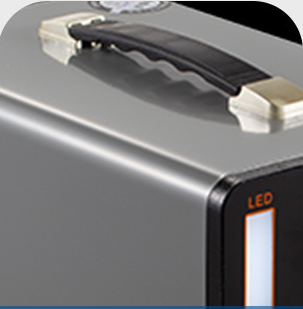
Figure 1a: NRH 4504-195-1-PVC-BK handle close-up – PVC, black finish
The 4504-195-1-PVC-BK handle eliminates these risks through 20kg load capacity, ergonomic grip design, weather-resistant PVC material, and 79g ultra-lightweight construction – ensuring comfortable and reliable carrying through thousands of outdoor adventures.
Configuration Summary
| Component | Model | Material | Finish | Key Specification | Qty |
|---|---|---|---|---|---|
| PVC Handle | 4504-195-1-PVC-BK | PVC | Black | 20kg load, 79g, 195-213mm adjustable | 1 |
| Power Station | M500-01 / M1000-01 | Various | – | 500W/1000W, 260x195x220mm / 330x195x220mm | 1 |
Product Specifications
4504-195-1-PVC-BK Handle
Constructed from PVC with a black finish, the 4504-195-1-PVC-BK is a lightweight handle designed for portable power stations requiring comfortable carrying. Its 20kg load capacity makes it suitable for 500W and 1000W power stations, while the adjustable design (195-213mm) accommodates different housing widths. At only 79g, it adds minimal weight to the power station – critical for outdoor equipment where portability matters. The PVC material provides weather resistance for outdoor use, while the black finish matches the aesthetic of modern power station designs.
Key features:
- 20kg load capacity for 500W and 1000W power stations
- Adjustable length (195-213mm) for different housing widths
- Ultra-lightweight at 79g
- Weather-resistant PVC material
- Ergonomic grip design for comfortable carrying
- Black finish for a professional appearance
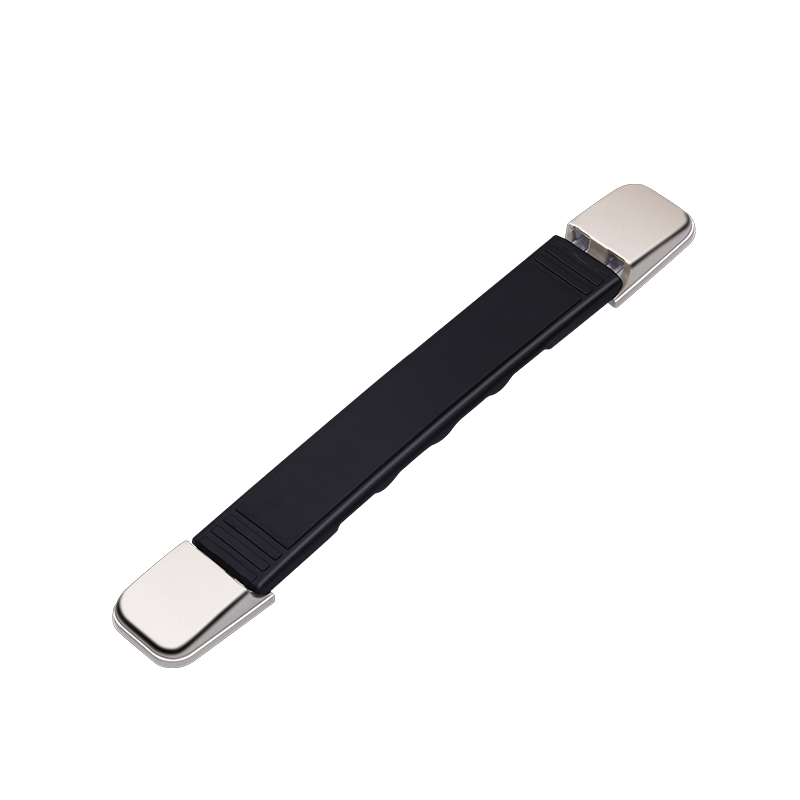
Figure 2: NRH 4504-195-1-PVC-BK handle – PVC, black finish, 20kg load capacity, 79g
| Parameter | Specification |
|---|---|
| Model | 4504-195-1-PVC-BK |
| Type | Carrying Handle |
| Material | PVC |
| Color | Black |
| Weight | 79g |
| Load Capacity | 20kg |
| Overall Dimensions | 195-213 x 92 x 37mm |
| Mounting Holes | 4 x M4 |
Portable Power Station (Custom)
The portable power station is available in two models:
| Model | M500-01 | M1000-01 |
|---|---|---|
| Rated Power | 500W | 1000W |
| Energy | 500Wh | 1100Wh |
| Product Size | 260 x 195 x 220mm | 330 x 195 x 220mm |
| Handle | 4504-195-1-PVC-BK | 4504-195-1-PVC-BK |
| Interfaces | AC, USB, Type-C, DC | AC, USB, Type-C, DC, XT90 |
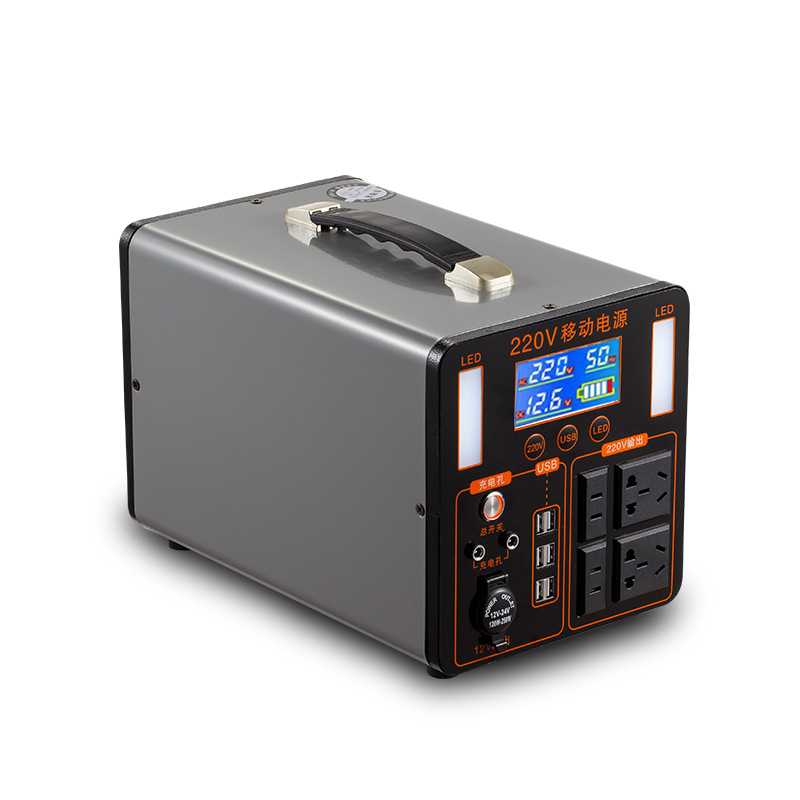
Figure 3: M500-01 and M1000-01 portable power stations with NRH PVC handles
Why PVC Handle for Portable Power Stations?
Portable power stations face demanding use conditions. The 4504-195-1-PVC-BK handle addresses each requirement:
1. Weight Reduction – 79g Ultra-Lightweight
Power stations already contain heavy battery cells. The 4504-195-1-PVC-BK adds only 79g to the total weight. For the M500-01 (260x195x220mm) and M1000-01 (330x195x220mm), this lightweight handle keeps the overall package portable without adding unnecessary bulk. This is critical for users carrying power stations from vehicles to campsites, job sites, or emergency locations.
2. 20kg Load Capacity – Safety Margin
With 20kg load capacity, the handle provides a substantial safety margin for power stations weighing significantly less. This ensures reliable carrying even with cables, adapters, and accessories attached.
3. Adjustable Design – One Handle, Two Sizes
The 195-213mm adjustable length accommodates both the 260mm width (M500-01) and 330mm width (M1000-01) power stations. This allows the manufacturer to use the same handle across multiple product lines, simplifying inventory management and reducing SKU complexity.
4. PVC Material – Weather-Resistant
PVC provides excellent weather resistance for outdoor use. Camping, overlanding, and outdoor events expose power stations to rain, dust, and temperature fluctuations. The PVC handle won’t rust, corrode, or degrade under these conditions.
5. Ergonomic Grip – Comfortable Carrying
The handle design provides a comfortable grip for carrying power stations over distance. For campers hiking from vehicle to site, photographers moving between locations, or emergency responders deploying equipment, ergonomic comfort matters.
Application Scenarios
Outdoor Camping and Overlanding
Campers and overlanders need portable power for lighting, fans, projectors, speakers, device charging, and cooking equipment. The 4504-195-1-PVC-BK handle enables easy transport from vehicle to campsite and between camp areas. The 20kg capacity provides safety margin for fully loaded power stations with cables and accessories.
Photography and Drone Operations
Photographers and drone operators need reliable power in remote locations. The lightweight PVC handle keeps the power station portable for hikes to shooting locations. The adjustable design accommodates different power station sizes, while the black finish provides a professional appearance that matches camera equipment aesthetics.
RV and Van Life
RV owners and van lifers use portable power stations as companions to vehicle electrical systems. The handle enables easy carrying between parking spots, campsites, and storage compartments. At only 79g, the handle doesn’t add unnecessary weight to already heavy RV loads.
Emergency Preparedness and Backup Power
Emergency responders and homeowners preparing for outages need portable, reliable power. The 4504-195-1-PVC-BK handle allows quick deployment of power stations to critical areas. The weather-resistant PVC ensures the handle remains functional in all emergency conditions.
Street Vending and Mobile Businesses
Street vendors and mobile business operators use portable power stations for lighting, payment systems, and equipment. The ergonomic handle design enables comfortable carrying during setup and takedown, while the black finish provides a professional appearance.
Installation Guide
Tools Required
- Drill with M4 bit (mounting holes)
- Measuring tape or ruler
- Marker for hole positioning
- Screwdriver with M4 screws
Installation Steps
- Position the handle. Place the 4504-195-1-PVC-BK handle centered on the top panel of the portable power station housing. For M500-01 (260mm width), adjust the handle to the appropriate position. For M1000-01 (330mm width), adjust to the extended position.
- Mark hole locations. Use the handle mounting flanges as templates. Mark the positions of the 4 x M4 mounting holes on the housing top panel.
- Drill mounting holes. Drill M4 holes at the marked positions. For metal housings, use a center punch first to prevent drill bit slipping.
- Install the handle. Secure the 4504-195-1-PVC-BK handle using M4 screws. For vibration applications, use thread-locker.
- Test operation. Verify the handle is securely mounted and comfortable to grip. Test the handle with the fully loaded power station to confirm 20kg load capacity.
Installation Method Comparison
| Method | Advantages | Considerations |
|---|---|---|
| M4 Screws | Secure, removable, field-serviceable | Use thread-locker for vibration resistance |
| Rivets | Permanent, vibration-resistant | Not removable; requires rivet tool |
Key Installation Notes
- Center the handle precisely. The handle should be centered on the top panel for balanced lifting. Off-center placement creates uneven load distribution during carrying.
- Use thread-locker for vibration applications. For power stations used in vehicles, use thread-locker on M4 screws to prevent loosening from vibration.
- Adjust handle length for different housings. The 195-213mm adjustment range accommodates different power station widths. Adjust before final tightening.
- Confirm load capacity match. Verify the fully loaded power station weight does not exceed 20kg.
Key Takeaways
- The 4504-195-1-PVC-BK handle provides 20kg load capacity with lightweight PVC construction for portable power stations
- Ultra-lightweight at 79g – minimal impact on power station portability
- Adjustable 195-213mm design accommodates both 500W and 1000W power station models
- Weather-resistant PVC material ensures durability for outdoor camping, overlanding, and emergency use
- Single handle centered on top provides balanced lifting for power stations up to 20kg
- Suitable for outdoor camping, photography, RV living, emergency preparedness, and street vending applications
Frequently Asked Questions
What is the 4504-195-1-PVC-BK handle made from?
Constructed from PVC with a black finish. PVC provides weather resistance for outdoor use and is lightweight, making it ideal for portable power station applications.
What is the load capacity of the handle?
The handle carries 20kg load capacity (verified from NRH product specification drawings). This provides a safety margin for 500W and 1000W power stations with cables and accessories.
How much does the handle weigh?
The handle weighs only 79g. This lightweight design is critical for portable power stations where every gram matters for portability.
What sizes of power stations does this handle fit?
The handle adjusts from 195-213mm to fit different housing widths. It is used on both the M500-01 (260mm width) and M1000-01 (330mm width) power stations.
How many handles are installed on the power station?
One handle is centered on the top panel of the power station. This provides balanced lifting for the unit.
Is the handle suitable for outdoor use?
Yes. The PVC material is weather-resistant and won’t rust or corrode when exposed to rain, humidity, or temperature fluctuations during outdoor camping and overlanding.
What fasteners are recommended for installation?
Use M4 screws with thread-locker for vibration resistance. For permanent installation, M4 rivets are an alternative.
What maintenance does the handle require?
The PVC handle requires no special maintenance. Clean with a damp cloth as needed. The material is UV-resistant for outdoor use.
Need Help Choosing?
Selecting the right handle for a portable power station means matching load capacity, weight, and material to the specific application – outdoor camping, photography, RV living, emergency backup, or street vending. If you need guidance on handle selection, installation, or custom configurations for your portable power station project, we can help.
TEL and WhatsApp and WeChat: +86 180 1797 5137
E-MAIL: nrh-gz@nrh.cn
ADD: Room 1703-1704, Zhongji Mansion, 819 Yinxiang Road, Nanxiang Town, Jiading District, Shanghai, China