

Lithium Battery Pack Handles for EV and Energy Storage
Lithium battery packs are the backbone of modern electric vehicles, AGV systems, solar storage, and backup power. A battery pack that is difficult to move means slower maintenance, harder installation, and increased risk of damage. For battery pack manufacturers, handles must be as reliable as the power they carry.
This case study examines how a lithium battery manufacturer equips its 72V 50Ah battery packs with NRH 4201-120 spring-loaded handles – delivering comfortable carrying, secure grip, and reliable performance for EV, AGV, solar storage, and emergency power applications.
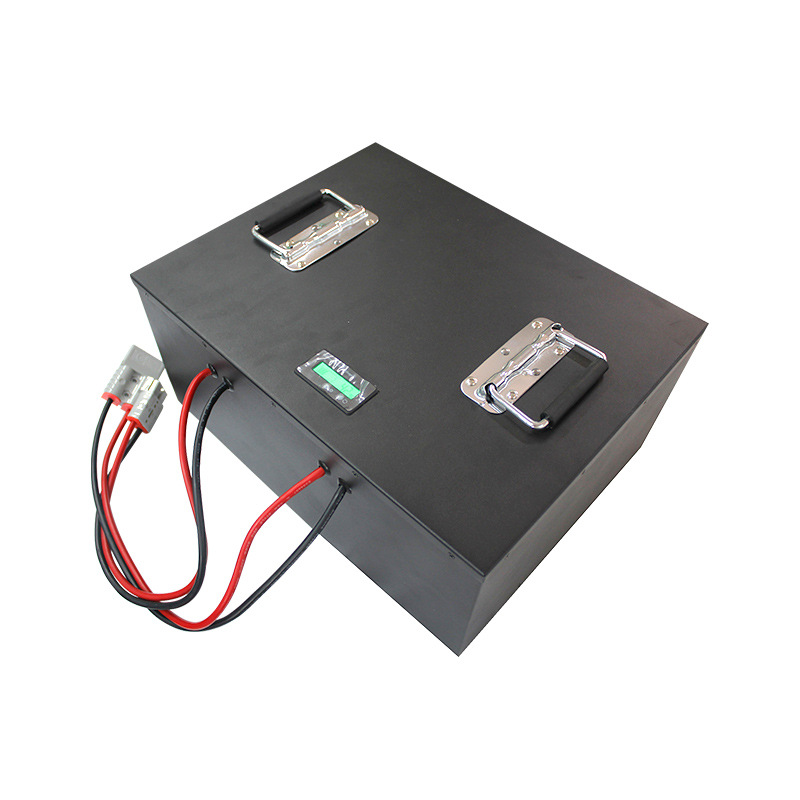
Figure 1: Lithium battery pack with NRH 4201-120 handles for EV and energy storage use
Applicable Buyers
- Lithium battery pack manufacturers
- EV and AGV battery suppliers
- Solar energy storage system providers
- Backup power and UPS manufacturers
- Industrial battery and power supply fabricators
Key finding: The NRH 4201-120 spring-loaded handle delivers 35kg load capacity with 304 stainless steel construction and vibratory (ZG) finish. At only 161g, it adds minimal weight to the 15kg battery pack. Two handles on the top panel provide balanced lifting for 72V 50Ah lithium battery packs used in electric vehicles, AGV systems, solar storage, and emergency power applications.
Why Lithium Battery Packs Need Reliable Handles
Lithium battery packs face demanding handling conditions across multiple applications. According to industry standards for battery transportation and handling, battery packs must be securely carried, safely moved, and easily installed.
Battery pack handles must withstand:
- Frequent handling. Battery packs are moved multiple times during manufacturing, installation, and maintenance. Handles must support repeated lifting without fatigue or failure.
- Vibration and shock. Battery packs installed in vehicles and AGV systems experience constant vibration. Handles must remain securely attached through thousands of hours of operation.
- Weight management. The 72V 50Ah battery pack weighs 15kg. Two 4201-120 handles (35kg each) provide 70kg total lifting capacity – over 4.5 times the pack weight – ensuring safe handling even in challenging conditions.
- Corrosion resistance. Battery packs are used in diverse environments – from factory floors to outdoor solar installations to marine applications. 304 stainless steel handles resist corrosion in humid, salty, and outdoor conditions.
The 4201-120 spring-loaded handle eliminates these risks through 35kg load capacity, 304 stainless steel construction, spring-loaded auto-return mechanism, and corrosion-resistant vibratory finish – ensuring reliable performance through years of service.
Product Specifications
4201-120 Spring-Loaded Handle
Constructed from 304 stainless steel with a vibratory (ZG) finish, the 4201-120 is a spring-loaded handle designed for battery packs requiring comfortable carrying with automatic fold-flat functionality. Its 35kg load capacity makes it suitable for battery packs weighing up to 15kg, while the spring mechanism returns the handle to a folded position when released – preventing snagging during installation and storage. At only 161g, it adds minimal weight to the battery pack.
Key features:
- 35kg load capacity for 72V 50Ah lithium battery packs
- Spring-loaded auto-return mechanism keeps handle flush when not in use
- 304 stainless steel construction for corrosion resistance
- Vibratory (ZG) finish hides scratches from daily handling
- Lightweight at 161g – minimal impact on battery pack weight
- Two handles provide balanced lifting and 70kg total capacity
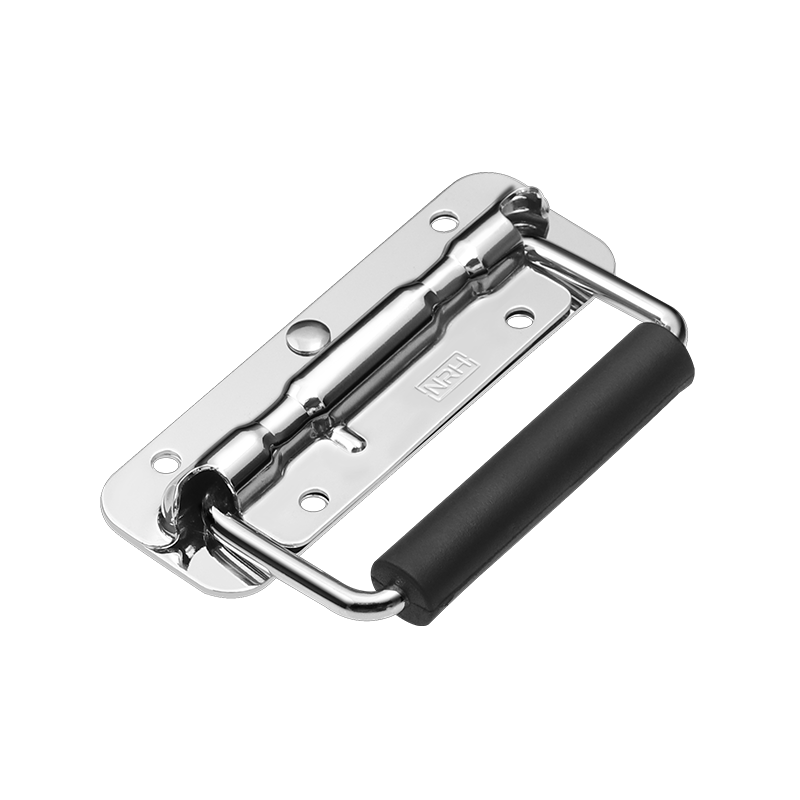
Figure 2: NRH 4201-120 spring-loaded handle – 304 stainless steel, vibratory finish, 35kg load capacity, 161g
| Parameter | Specification |
|---|---|
| Model | 4201-120 |
| Type | Spring-loaded handle |
| Material | 304 stainless steel |
| Surface Finish | Vibratory (ZG) |
| Weight | 161g |
| Load Capacity | 35kg |
| Spring Type | Spring-loaded auto-return |
| Opening Angle | Approx. 80 degrees |
| Overall Dimensions | 122 x 85 x 12.5mm |
Lithium Battery Pack (Custom)
The lithium battery pack is constructed with lithium iron phosphate (LiFePO4) cells with an aluminum housing. Battery parameters:
| Parameter | Specification |
|---|---|
| Model | 72V 50Ah |
| Material | Lithium iron phosphate (LiFePO4) |
| Rated Capacity | 50Ah |
| Standard Voltage | 72V |
| Weight | 15kg |
| Dimensions | 360 x 215 x 150mm |
| Cycle Life | 1000+ cycles |
| Charging Time | 4.5-5 hours |
| Operating Temperature | 0-40 degrees C |
| Handles | 4201-120 (x2) |
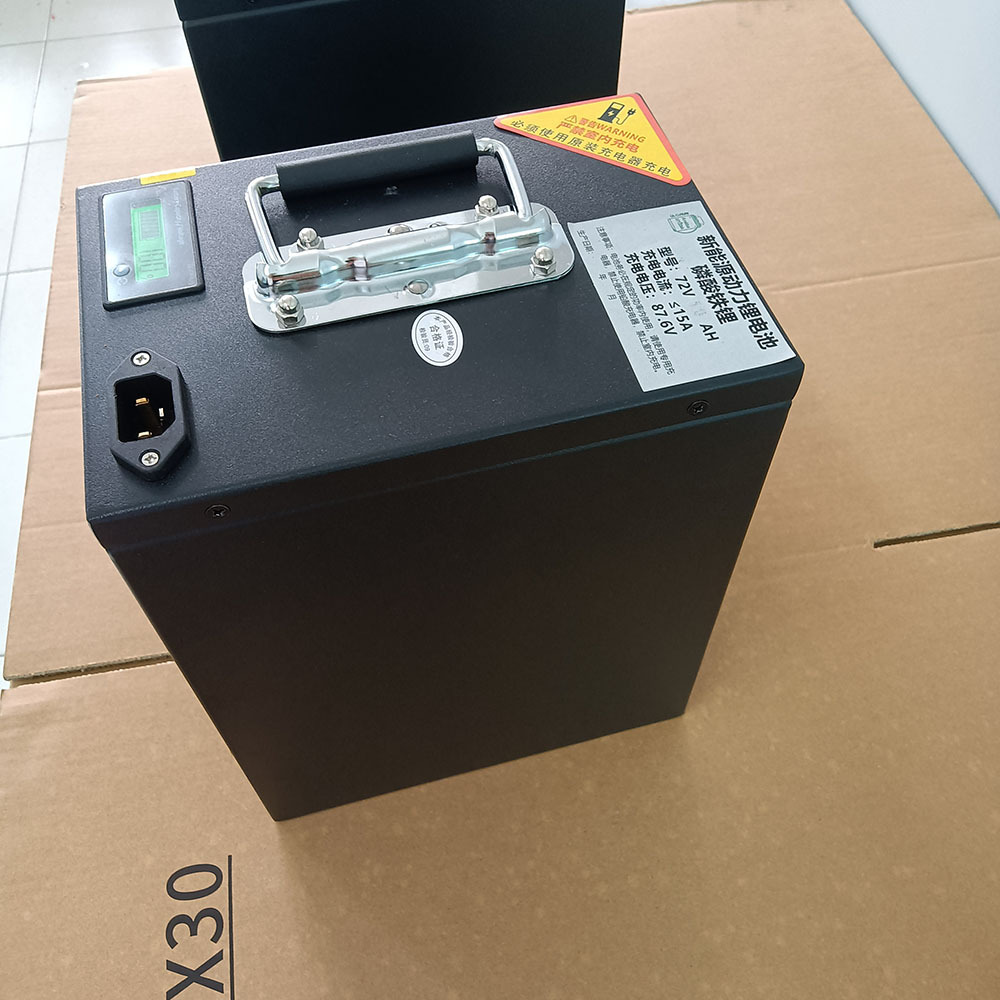
Figure 3: 72V 50Ah lithium battery pack with two NRH 4201-120 handles
Product Comparison
| Feature | 4201-120 Spring-Loaded Handle | Standard Handle (Typical) |
|---|---|---|
| Material | 304 stainless steel | Iron or plastic |
| Load Capacity | 35kg | 10-25kg typical |
| Weight | 161g | Often heavier |
| Corrosion Resistance | Excellent (304 SS) | Poor to moderate |
| Spring Mechanism | Auto-return | Often absent |
| Finish | Vibratory (ZG) | Chrome or painted |
| Load Margin | 4.6x (70kg vs 15kg) | Often marginal |
Application Scenarios
Electric Vehicles and E-Bikes
72V 50Ah battery packs power electric vehicles and e-bikes. The 4201-120 handles make battery installation and removal simple – technicians can lift the 15kg pack with ease using two handles. The spring-loaded auto-return mechanism keeps handles flush during vehicle operation, preventing interference with wiring and other components.
AGV (Automated Guided Vehicle) Systems
AGV systems in warehouses and factories require reliable power. Battery packs are swapped frequently to maintain continuous operation. The 4201-120 handle’s 35kg capacity (70kg total for two) makes battery swaps quick and safe. The 304 stainless steel construction resists corrosion in factory environments.
Solar Energy Storage
Solar storage systems use battery packs for renewable energy storage. The 72V 50Ah pack stores solar power for off-grid use. The handles make installation and maintenance accessible for solar technicians. The vibratory (ZG) finish hides scratches from field installation.
Emergency Backup Power
Emergency backup systems require portable power. The battery pack with two 4201-120 handles can be easily moved between locations – from storage to installation site, or from one critical system to another. The 304 stainless steel handles ensure reliable grip in emergency conditions.
Industrial AGV and Robotics
Industrial robotics and AGV systems rely on swappable battery packs. Two handles provide balanced lifting for technicians performing daily battery changes. The 70kg total capacity is more than sufficient for the 15kg battery, providing a substantial safety margin for handling.
Installation Guide
Tools Required
- Drill with appropriate bit size
- Measuring tape or ruler
- Marker for hole positioning
- Screwdriver or rivet gun with appropriate fasteners
Installation Steps
- Position the handles. Place two 4201-120 handles symmetrically on the top panel of the battery pack. Position handles for balanced lifting – centered on the top face, equally spaced from the edges.
- Mark hole locations. Use the handle mounting flanges as templates. Mark hole positions for the handles according to the product’s dimensions.
- Drill mounting holes. Drill holes at the marked positions. For aluminum battery housings, use sharp bits and moderate speed to prevent burring.
- Install the handles. Secure the 4201-120 handles using appropriate fasteners. For aluminum housings, use stainless steel screws or rivets to prevent galvanic corrosion.
- Test operation. Verify smooth spring action and comfortable grip. The handle should return to a folded position when released. Test lifting the fully assembled battery pack.
Installation Method Comparison
| Method | Advantages | Considerations |
|---|---|---|
| Stainless Steel Screws | Removable, adjustable, field-serviceable | Use thread-locker in high-vibration applications |
| Stainless Steel Rivets | Permanent, vibration-resistant, secure | Requires rivet tool; not removable |
Key Installation Notes
- Use stainless steel fasteners only. For battery applications where vibration and corrosion resistance are critical, use stainless steel rivets or screws to maintain durability.
- Position handles symmetrically. Two handles should be centered on the top panel for balanced lifting. Uneven placement creates unbalanced loads during carrying.
- Test spring function. The 4201-120’s spring-loaded mechanism should return the handle to a folded position when released.
- Verify load capacity. Two handles provide 70kg total lifting capacity for the 15kg battery pack – a 4.6x safety margin.
Key Takeaways
- The 4201-120 spring-loaded handle provides 35kg load capacity with 304 stainless steel construction for lithium battery packs
- Two handles per battery pack provide 70kg total lifting capacity – over 4.5 times the 15kg battery weight
- 304 stainless steel construction provides corrosion resistance for diverse applications
- Spring-loaded auto-return mechanism keeps handles flush when not in use
- Vibratory (ZG) finish hides scratches from daily handling and installation
- Suitable for EV, AGV, solar storage, emergency backup, and industrial robotics applications
Frequently Asked Questions
What is the 4201-120 handle made from?
Constructed from 304 stainless steel with a vibratory (ZG) finish. 304 stainless steel provides excellent corrosion resistance without coatings that can chip or flake.
What is the load capacity of the 4201-120 handle?
The 4201-120 delivers 35kg load capacity (verified from NRH product specification drawings). Two handles provide 70kg total lifting capacity for the 15kg battery pack.
How many 4201-120 handles are installed on the battery pack?
Two handles are installed on the top panel of the battery pack, symmetrically positioned for balanced lifting.
Does the 4201-120 have a spring mechanism?
Yes. The 4201-120 features a spring-loaded auto-return mechanism that returns the handle to a folded position when released, preventing snagging during installation and operation.
What battery size uses these handles?
The 72V 50Ah lithium battery pack measures 360 x 215 x 150mm and weighs 15kg. The handles are suitable for battery packs of similar or smaller sizes.
Is the handle suitable for outdoor solar storage applications?
Yes. The 304 stainless steel construction provides corrosion resistance for outdoor and field environments.
What fasteners are recommended for installation?
Use stainless steel screws with thread-locker for vibration-prone applications. For permanent installation, stainless steel rivets are an alternative. Always use stainless steel fasteners to prevent galvanic corrosion with aluminum battery housings.
What is the opening angle of the 4201-120 handle?
The 4201-120 opens to approximately 80 degrees, providing a comfortable grip for lifting and carrying.
Need Help Choosing?
Selecting the right handle for lithium battery packs means matching load capacity, corrosion resistance, and ergonomics to your specific application – EV, AGV, solar storage, or emergency backup. If you need guidance on handle selection, configuration, or installation for your battery pack project, we can help.
TEL and WhatsApp and WeChat: +86 180 1797 5137
E-MAIL: nrh-gz@nrh.cn
ADD: Room 1703-1704, Zhongji Mansion, 819 Yinxiang Road, Nanxiang Town, Jiading District, Shanghai, China