

Marine Deck Plate Hardware for Yachts and Boats
Marine deck plates and access covers face one of the harshest environments of any application. Saltwater spray, UV exposure, temperature extremes, and constant foot traffic all take their toll on hardware. A hinge that corrodes on a yacht deck means a stuck access cover. A lock that seizes in salt air means emergency equipment is inaccessible. For marine applications, hardware must be as reliable as the vessel itself.
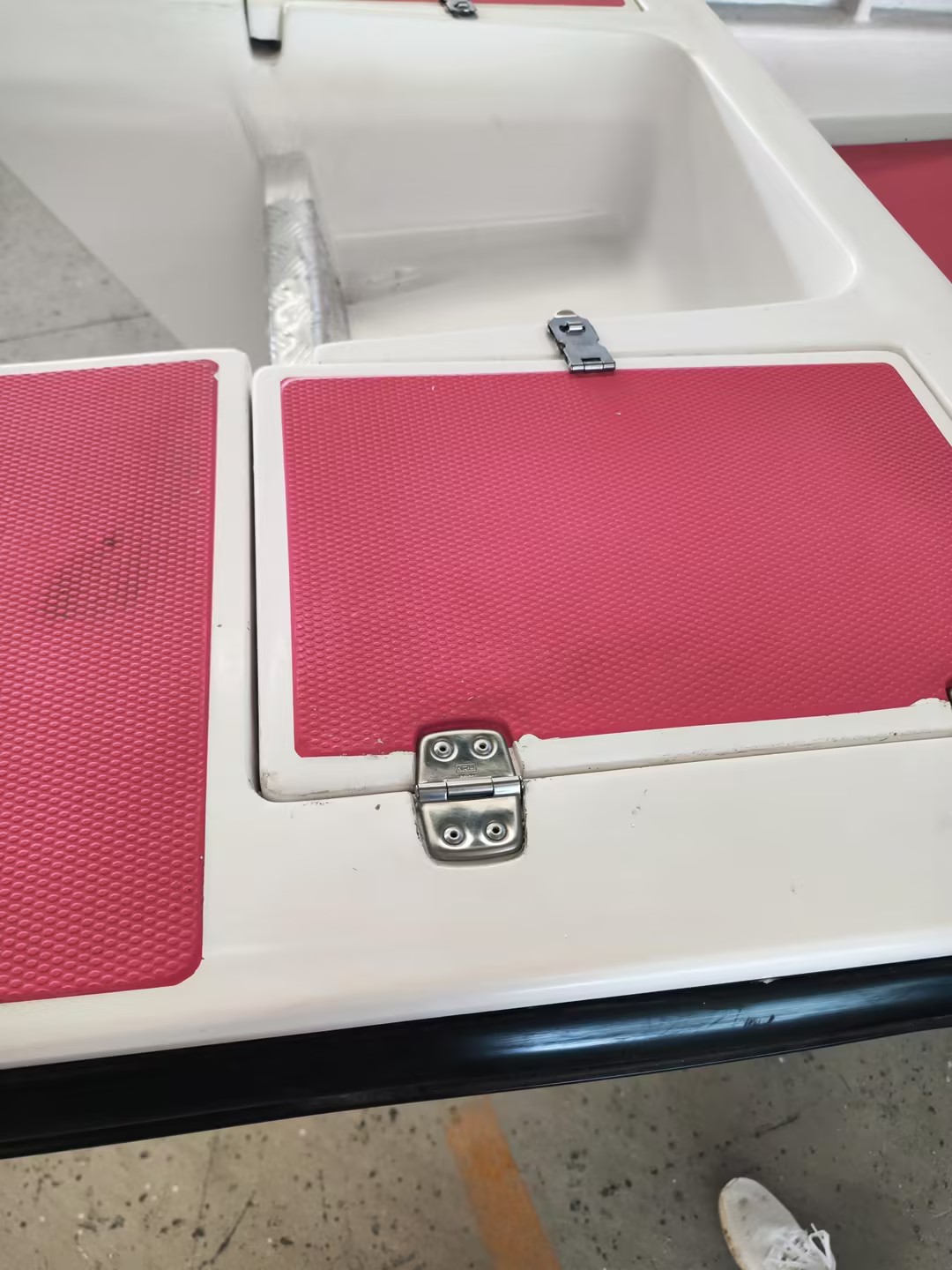
Figure 1: Marine deck plate with NRH 8201-50 hinges and 5906-78S lock plate
This case study examines how a marine equipment manufacturer equips its yacht and boat deck plates with NRH 8201-50 stainless steel hinges, 5829-84K stainless steel latches, and 5906-78S stainless steel lock plates – delivering secure access, corrosion resistance, and reliable performance for marine deck plates and access covers.
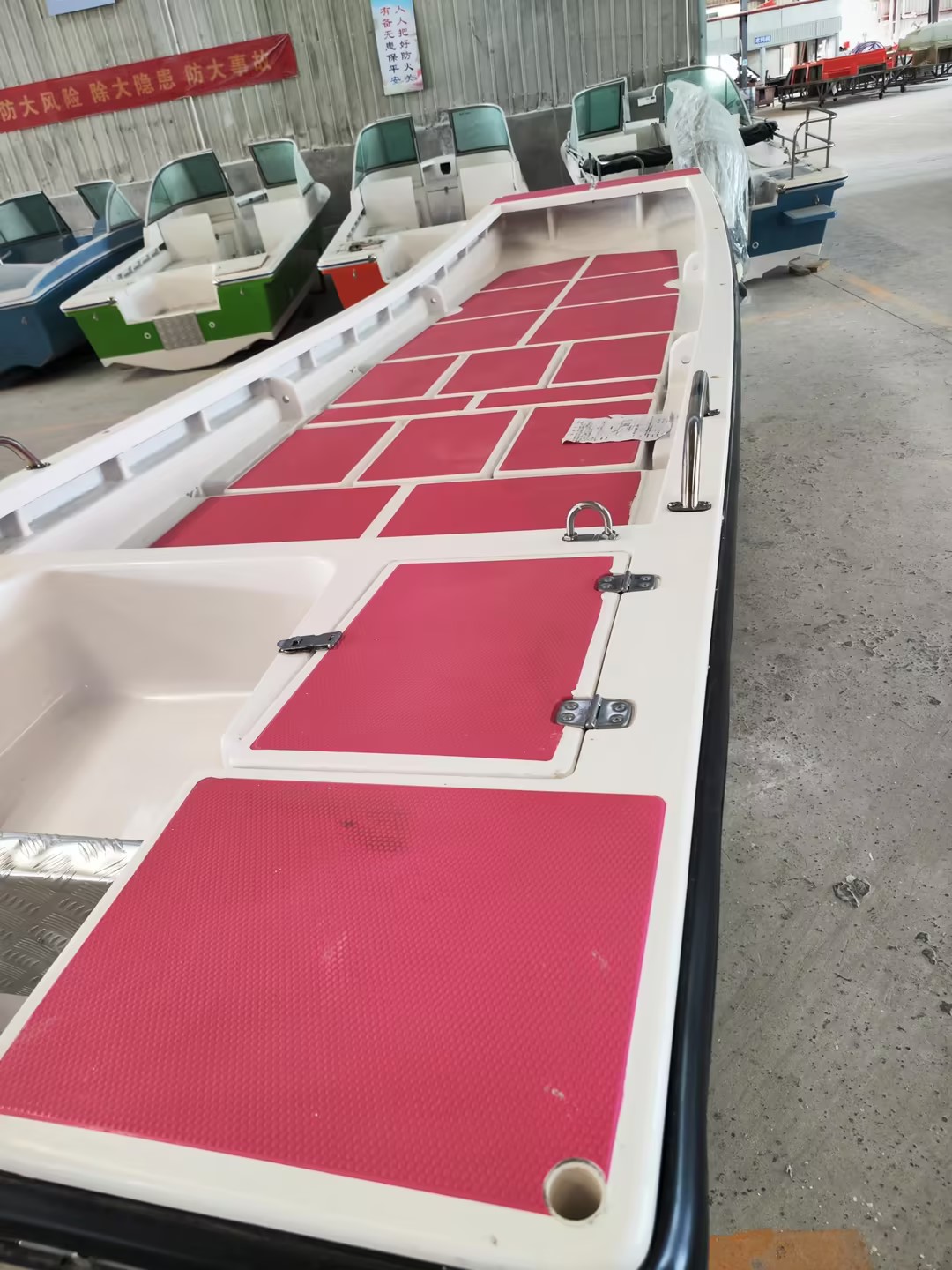
Figure 1a: Close-up of NRH 8201-50 hinge and 5906-78S lock plate on marine deck plate
Applicable Buyers
- Yacht and boat deck hardware manufacturers
- Marine access panel and hatch fabricators
- Boat builders and shipyards
- Marine equipment suppliers
- Custom deck hardware manufacturers
Key finding: The NRH 8201-50 stainless steel hinge delivers 10kg load capacity with bright-polished finish for smooth deck plate operation. The 5829-84K stainless steel latch provides 588N tensile strength for secure access panel closure. The 5906-78S lock plate enables padlock integration for theft deterrence. All three components are constructed from 304 stainless steel for corrosion resistance in marine environments – providing a complete hardware solution for yacht and boat deck plates. All specifications verified from NRH product specification drawings.
Why Marine Deck Plates Demand Premium Hardware
Marine deck plates are subjected to conditions that destroy ordinary hardware. According to marine industry standards, deck hardware must withstand saltwater corrosion, UV degradation, and constant mechanical stress.
Deck plate hardware must survive:
- Saltwater corrosion. Salt spray is the single biggest threat to marine hardware. 304 stainless steel provides good corrosion resistance through its chromium oxide passive layer for deck plates and access covers. For hardware continuously submerged in seawater, 316 stainless steel is recommended. However, for deck plates and access covers above the waterline, 304 stainless steel is the industry standard.
- UV exposure. Hardware on yacht decks is exposed to direct sunlight year-round. The bright-polished finish on the 8201-50 hinge and the vibratory (ZG) finish on the 5829-84K and 5906-78S provide durable surface protection.
- Heavy foot traffic. Deck plates are walked on, stepped over, and occasionally stood upon. Hinges and locks must support weight without deforming or failing.
- Emergency access requirements. Deck plates often cover critical systems – fuel valves, bilge pumps, steering gear, and emergency equipment. Hardware must remain operable at all times.
The 8201-50, 5829-84K, and 5906-78S eliminate these risks through 304 stainless steel construction, corrosion-resistant finishes, and reliable mechanical design – ensuring years of dependable service in the marine environment. All specifications verified from NRH product specification drawings.
Product Specifications
8201-50 Stainless Steel Hinge
Constructed from 304 stainless steel with a bright-polished finish, the 8201-50 is a compact hinge designed for marine deck plates requiring smooth, reliable opening and closing. Its 10kg load capacity per hinge makes it suitable for deck plates of various sizes, while the bright-polished finish provides a professional appearance that matches yacht and boat aesthetics. Two hinges provide 20kg total load capacity. Product weight: 52g.
Key features:
- 10kg load capacity per hinge for deck plates (verified from NRH product specification drawings)
- 304 stainless steel construction for corrosion resistance
- Bright-polished finish for marine-grade aesthetics
- Compact design for flush installation
- Two hinges provide 20kg total load capacity
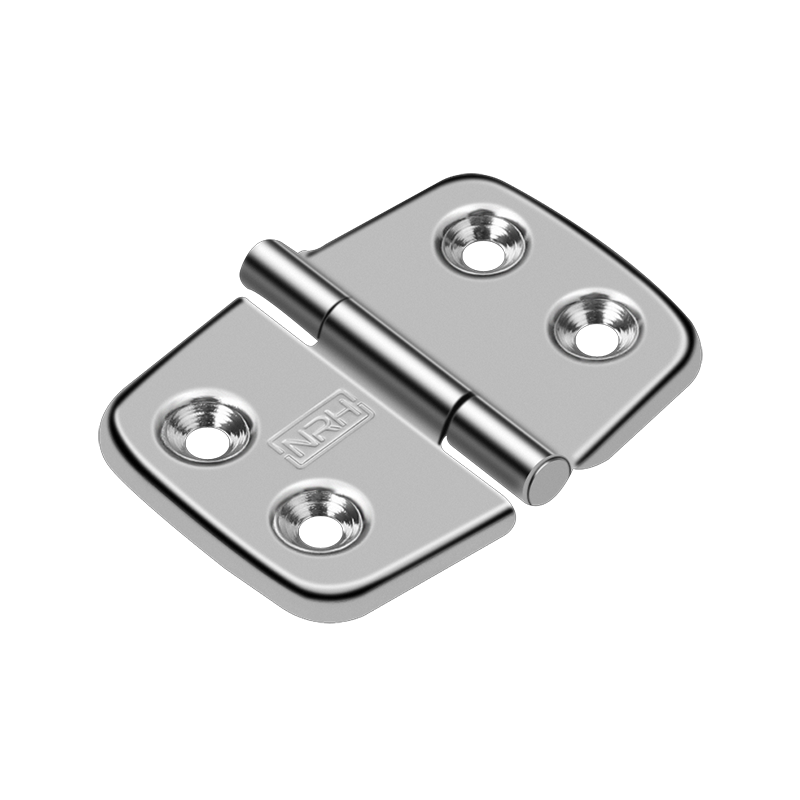
Figure 2: NRH 8201-50 stainless steel hinge – 304 stainless steel, bright-polished finish, 10kg load capacity, 52g
| Parameter | Specification |
|---|---|
| Model | 8201-50 |
| Type | Hinge |
| Material | 304 stainless steel |
| Surface Finish | Bright-polished (LG) |
| Weight | 52g |
| Load Capacity | 10kg |
| Overall Dimensions | 70.5 x 53 x 7.5mm |
| Mounting Holes | 4 x 5mm |
5829-84K Stainless Steel Latch
The 5829-84K is a stainless steel latch designed for marine access panels requiring secure closure with reliable operation. Constructed from 304 stainless steel with a vibratory (ZG) finish, it provides 588N tensile strength (verified from NRH product specification drawings) – enough holding force to keep access panels closed under normal operating conditions. The vibratory finish provides a uniform matte surface that hides scratches from daily use. Product weight: 72g.
Key features:
- 588N tensile strength for secure access panel closure (verified from NRH product specification drawings)
- 304 stainless steel construction for corrosion resistance
- Vibratory (ZG) finish hides scratches from use
- Reliable operation in marine environments
- Lightweight at 72g – minimal impact on panel weight
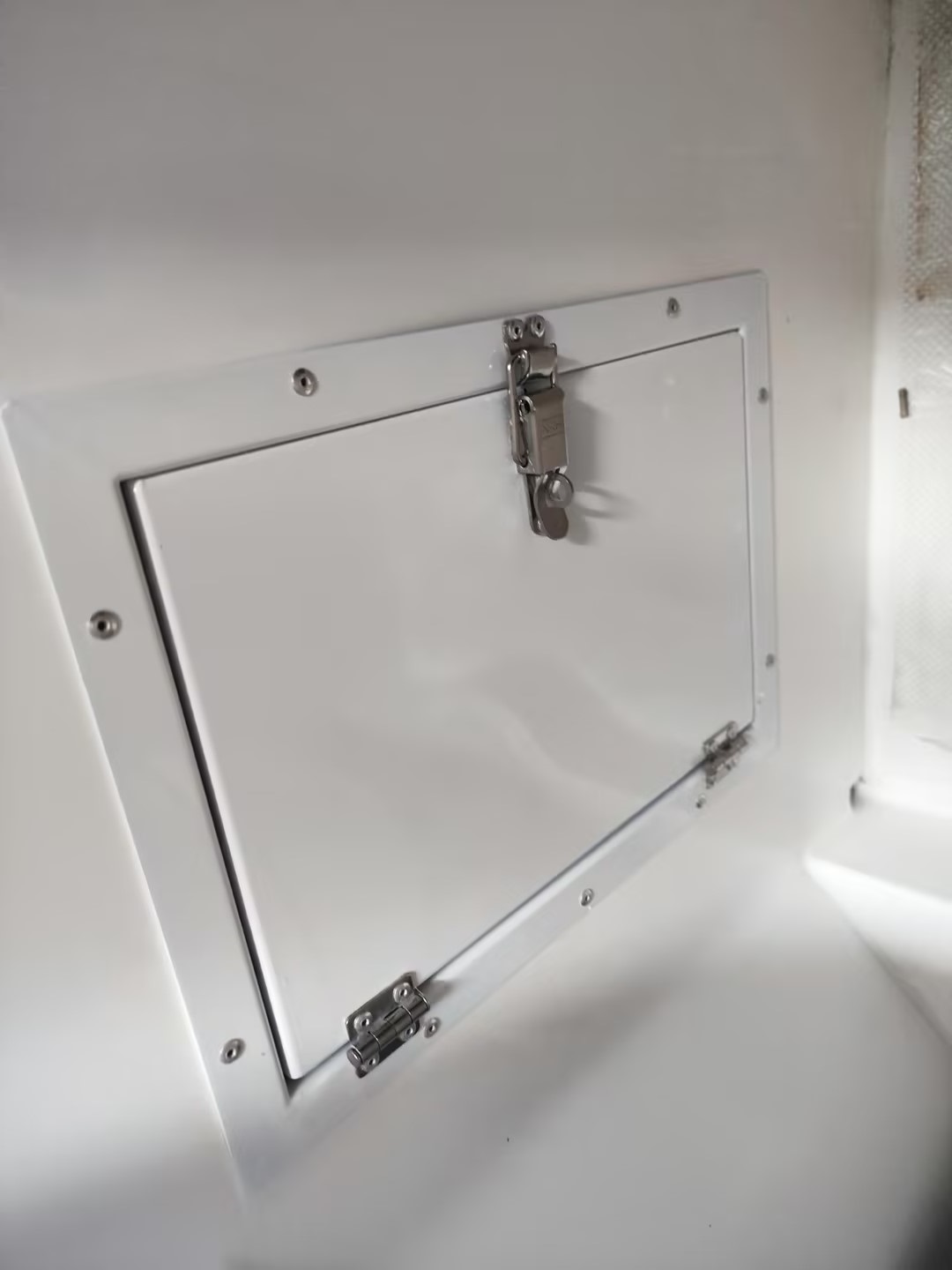
Figure 2a: NRH 5829-84K stainless steel latch on marine access panel
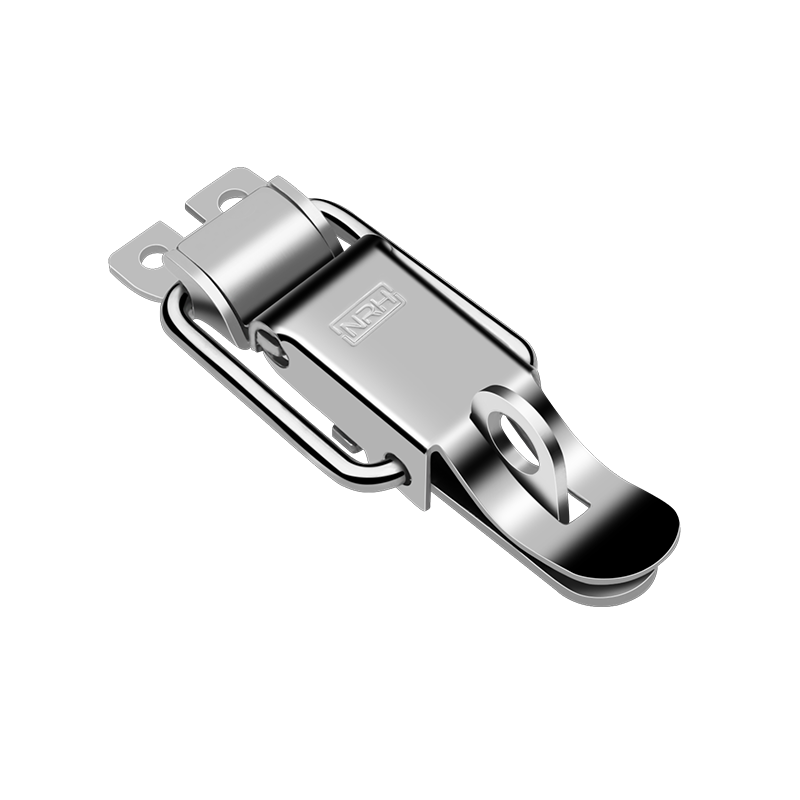
Figure 3: NRH 5829-84K stainless steel latch – 304 stainless steel, 588N tensile strength, 72g
| Parameter | Specification |
|---|---|
| Model | 5829-84K |
| Type | Latch |
| Material | 304 stainless steel |
| Surface Finish | Vibratory (ZG) |
| Weight | 72g |
| Tensile Load | 588N |
| Overall Dimensions | 98 x 48 x 22mm |
| Mounting Holes | 4 x 4mm |
5906-78S Stainless Steel Lock Plate
The 5906-78S is a stainless steel lock plate designed for marine deck plates requiring padlock security. Constructed from 304 stainless steel with a vibratory (ZG) finish, it enables padlock integration for theft deterrence and unauthorized access prevention. The vibratory finish provides a uniform matte surface that hides scratches from daily use. Product weight: 54g.
Key features:
- Padlock-compatible design for security
- 304 stainless steel construction for corrosion resistance
- Vibratory (ZG) finish hides scratches from use
- Lightweight at 54g – minimal impact on deck plate weight
- Complements latch and hinge for complete hardware solution
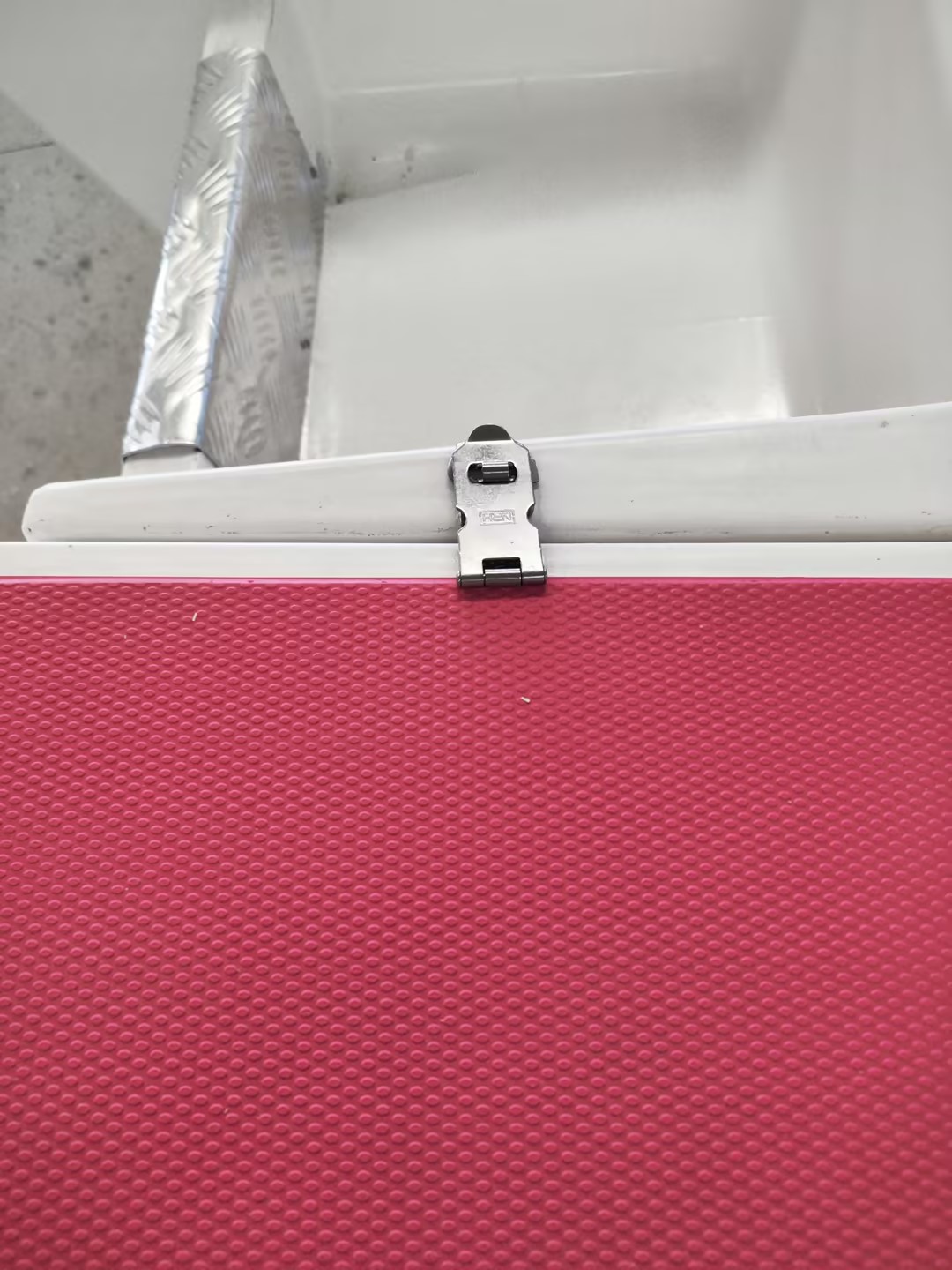
Figure 3a: NRH 5906-78S stainless steel lock plate on marine deck plate
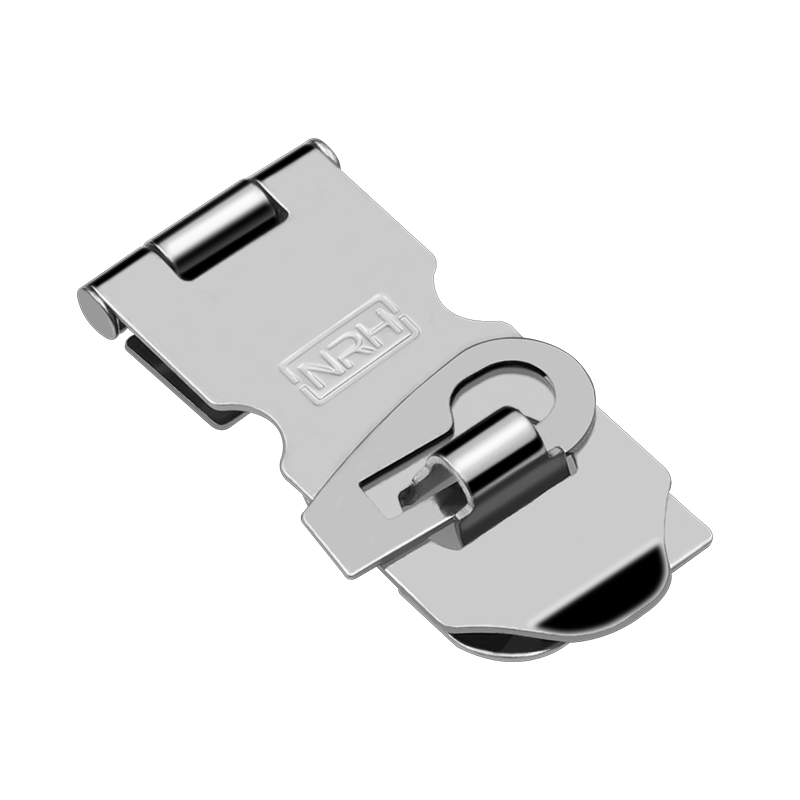
Figure 4: NRH 5906-78S stainless steel lock plate – 304 stainless steel, vibratory finish, 54g
| Parameter | Specification |
|---|---|
| Model | 5906-78S |
| Type | Lock plate |
| Material | 304 stainless steel |
| Surface Finish | Vibratory (ZG) |
| Weight | 54g |
| Load Rating | N/A (lock plate only) |
| Overall Dimensions | 78 x 41 x 17.2mm |
| Mounting Holes | 6 x 4.2mm |
Product Comparison
| Feature | 8201-50 Hinge | 5829-84K Latch | 5906-78S Lock Plate |
|---|---|---|---|
| Primary Function | Pivoting / opening | Secure closure | Padlock security |
| Material | 304 stainless steel | 304 stainless steel | 304 stainless steel |
| Finish | Bright-polished | Vibratory (ZG) | Vibratory (ZG) |
| Weight | 52g | 72g | 54g |
| Load Rating | 10kg | 588N | N/A |
| Qty per Application | 2 (deck plate) | 1 (access panel) | 1 (deck plate) |
Configuration Summary
| Application | Component | Model | Material | Finish | Key Specification | Qty | Location |
|---|---|---|---|---|---|---|---|
| Deck Plate | Hinge | 8201-50 | 304 stainless steel | Bright-polished (LG) | 10kg load | 2 | One side of deck plate |
| Deck Plate | Lock Plate | 5906-78S | 304 stainless steel | Vibratory (ZG) | Padlock-compatible | 1 | Opposite side of deck plate |
| Access Panel | Latch | 5829-84K | 304 stainless steel | Vibratory (ZG) | 588N tensile | 1 | Access panel / hatch |
Application Scenarios
Deck Plates on Yachts and Boats
Deck plates provide access to critical systems below deck – fuel valves, bilge pumps, steering gear, and emergency equipment. Two 8201-50 hinges (10kg each, 20kg total) provide smooth, reliable opening. One 5906-78S lock plate enables padlock security, deterring unauthorized access. The 304 stainless steel construction of all components provides corrosion resistance against saltwater spray.
Access Panels and Inspection Hatches
Access panels on yachts and boats require secure but accessible closure. One 5829-84K latch (588N tensile strength) provides reliable closure for access panels, ensuring contents stay dry and secure during rough seas. The vibratory (ZG) finish hides scratches from cargo loading and unloading.
Emergency Equipment Lockers
Life raft lockers, emergency gear compartments, and safety equipment storage require secure but instantly accessible hardware. The 5829-84K latch provides reliable closure while allowing quick access when needed. The 304 stainless steel construction ensures the hardware remains functional even in saltwater environments.
Installation Guide
Tools Required
- Drill with appropriate bit size (5mm for 8201-50, 4mm for 5829-84K, 4.2mm for 5906-78S)
- Measuring tape
- Marker for hole positioning
- Screwdriver or rivet gun with stainless steel fasteners
Installation Steps
- Position the hinges. Place two 8201-50 hinges on one side of the deck plate. Position them evenly – typically at one-quarter and three-quarters of the plate length for balanced support.
- Position the lock plate. Place one 5906-78S lock plate on the opposite side of the deck plate, aligned with the deck frame. Ensure the lock plate aligns with the padlock hasp opening.
- Position the latch (access panel only). For access panels separate from the main deck plate, place one 5829-84K latch on the panel edge, aligned with the catch plate on the frame.
- Mark hole locations. Use the hardware mounting flanges as templates. Mark hole positions for the hinges (4 x 5mm), lock plate (6 x 4.2mm), and latch (4 x 4mm).
- Drill mounting holes. Drill holes at the marked positions. For fiberglass or aluminum decks, use appropriate bits and moderate speed to prevent damage.
- Install the hardware. Secure all components using stainless steel fasteners. For fiberglass decks, use backing plates or large washers to distribute load and prevent pull-through.
- Test operation. Verify smooth hinge movement, secure latch engagement, and proper lock plate alignment. The deck plate should open and close smoothly.
Installation Method Comparison
| Method | Advantages | Considerations |
|---|---|---|
| Stainless Steel Screws | Removable, adjustable, field-serviceable | Use thread-locker in high-vibration applications |
| Stainless Steel Rivets | Permanent, vibration-resistant, secure | Requires rivet tool; not removable |
Key Installation Notes
- Use stainless steel fasteners only. For marine applications, use stainless steel fasteners to maintain corrosion resistance throughout the hardware system.
- Use backing plates for fiberglass decks. For fiberglass deck plates, use backing plates or large washers behind mounting holes to distribute clamping load and prevent pull-through.
- Position hinges evenly. Two hinges should be evenly spaced along the hinge side of the deck plate for balanced support and smooth operation.
- Test lock plate alignment. The 5906-78S lock plate must align with the padlock hasp. Adjust position as needed before final tightening.
- Apply anti-seize compound. For marine applications, apply a marine-grade anti-seize compound to fasteners to prevent galling and ensure future removability.
Key Takeaways
- The 8201-50 stainless steel hinge provides 10kg load capacity with bright-polished finish for marine deck plates
- The 5829-84K stainless steel latch delivers 588N tensile strength with vibratory finish for secure access panel closure
- The 5906-78S stainless steel lock plate enables padlock security for theft deterrence
- 304 stainless steel construction provides corrosion resistance for marine environments (above waterline)
- Two hinges + one lock plate per deck plate provide balanced support and security
- One latch per access panel provides reliable closure with quick operation
- Suitable for yachts, boats, marine access covers, and emergency equipment lockers
Frequently Asked Questions
What are the 8201-50 hinges made from?
Constructed from 304 stainless steel with a bright-polished (LG) finish. 304 stainless steel provides good corrosion resistance for marine environments without coatings that can chip or flake. For hardware continuously submerged in seawater, 316 stainless steel is recommended.
What is the load capacity of the 8201-50 hinge?
The 8201-50 delivers 10kg load capacity (verified from NRH product specification drawings). Two hinges provide 20kg total load capacity for deck plates.
What is the tensile load capacity of the 5829-84K latch?
The 5829-84K delivers 588N tensile load capacity (verified from NRH product specification drawings). This provides secure closure for marine access panels.
What is the 5906-78S lock plate used for?
The 5906-78S lock plate enables padlock integration for deck plates, providing security against unauthorized access and theft deterrence.
How many hinges and lock plates are needed per deck plate?
Two 8201-50 hinges on one side and one 5906-78S lock plate on the opposite side. This provides balanced support and secure locking.
Are these components suitable for saltwater environments?
Yes. 304 stainless steel provides good corrosion resistance for saltwater environments. For hardware continuously submerged in seawater, 316 stainless steel is recommended. However, for deck plates and access covers above the waterline, 304 stainless steel is the industry standard.
What fasteners are recommended for marine installation?
Use stainless steel fasteners only. For fiberglass decks, use backing plates or large washers to distribute load. Apply marine-grade anti-seize compound to prevent galling.
Can these components be installed on fiberglass decks?
Yes. Use backing plates or large washers behind mounting holes to distribute clamping load and prevent pull-through. Use sharp drill bits and moderate speed to prevent damage to the fiberglass.
Need Help Choosing?
Selecting the right hardware for marine deck plates means matching corrosion resistance, load capacity, and security to your specific application – yachts, boats, access covers, or emergency equipment lockers. If you need guidance on hardware selection, configuration, or installation for your marine deck plate project, we can help.
TEL and WhatsApp and WeChat: +86 180 1797 5137
E-MAIL: nrh-gz@nrh.cn
ADD: Room 1703-1704, Zhongji Mansion, 819 Yinxiang Road, Nanxiang Town, Jiading District, Shanghai, China