

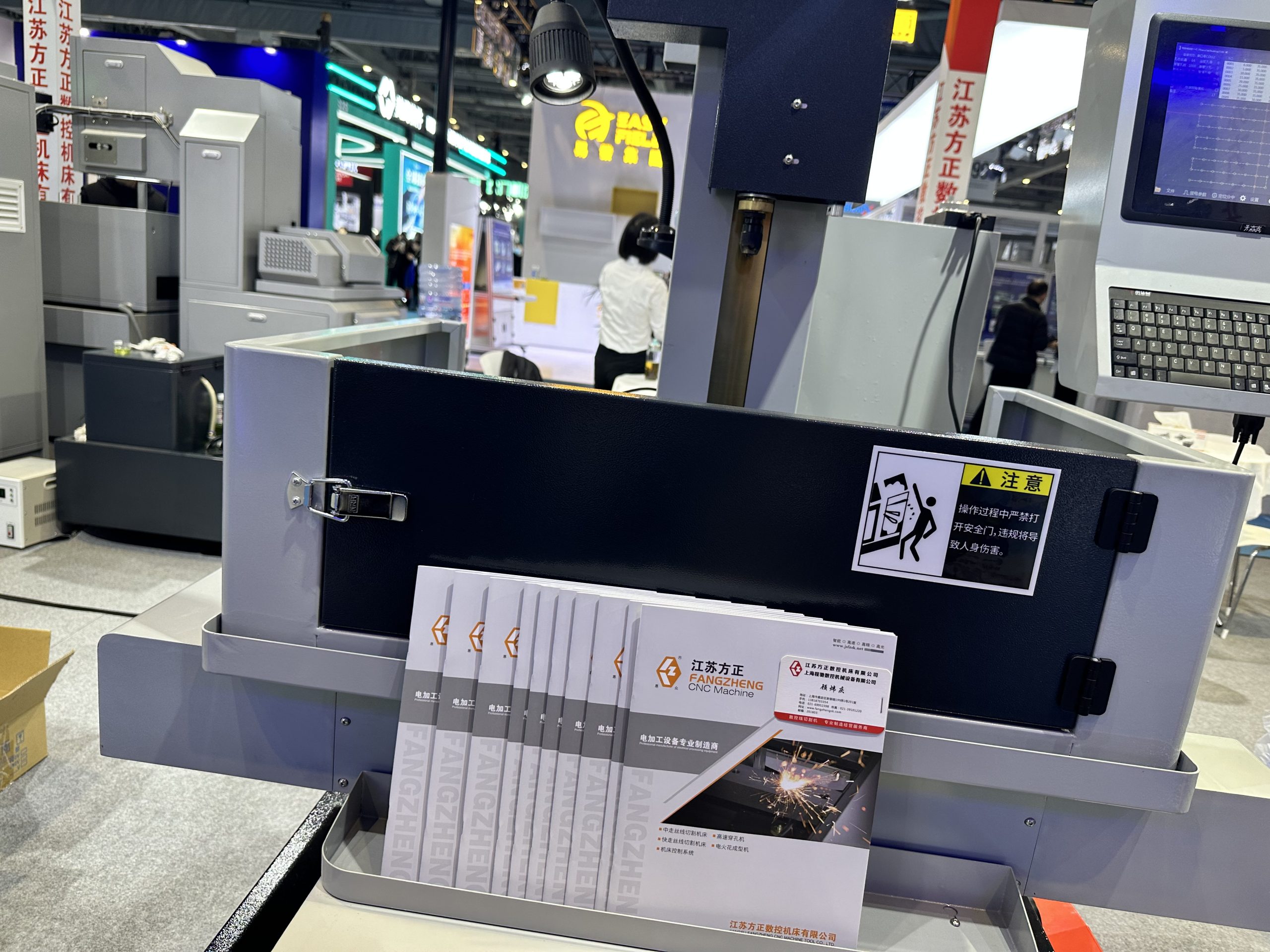
Why CNC Machine Tool Panels Need Durable, Corrosion-Resistant Latches
CNC machines and industrial equipment rely on access panels that stay securely closed during operation while allowing quick access for maintenance and setup. A latch that loosens under vibration or fails to hold the panel flush compromises machine safety, chip containment, and coolant sealing. For CNC machine tool panels, a latch must be as reliable as the machine itself.
This case study examines how a CNC machine manufacturer equips its machine tool control panels with NRH 5101-96 stainless steel toggle latches – delivering secure closure, vibration resistance, and reliable performance for industrial machinery environments.
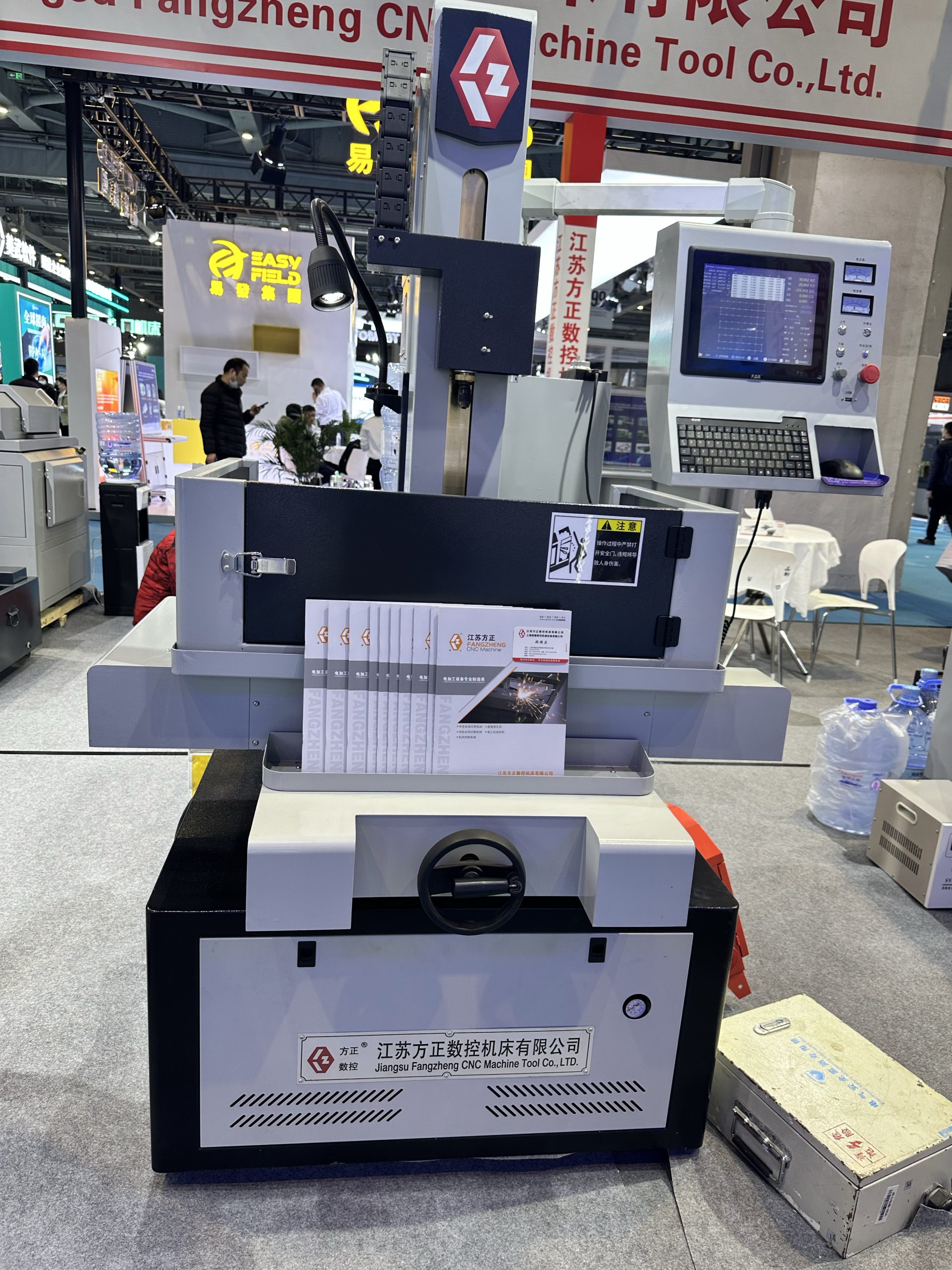
Figure 1: CNC machine tool panel with NRH 5101-96 toggle latch installed on the side
Applicable Buyers
- CNC machine and industrial equipment manufacturers
- Machine tool enclosure and panel fabricators
- Industrial automation and control panel builders
- Heavy equipment and machinery OEMs
- Custom industrial enclosure suppliers
Key finding: The NRH 5101-96 stainless steel toggle latch delivers 392N tensile strength with 304 stainless steel construction and vibratory (ZG) finish. Installed on the side of CNC machine tool panels – opposite hinges – a single latch provides secure closure that withstands continuous machine vibration. The spring-loaded mechanism maintains consistent tension through thousands of cycles, while the 90g lightweight design adds minimal weight to the panel.
Why CNC Machine Panels Need Reliable Latches
CNC machine tool panels are subjected to harsh operating conditions that ordinary cabinet hardware cannot withstand. According to industrial machinery safety standards, access panels must remain securely closed during operation to contain chips, coolant, and debris while protecting operators from moving parts.
Machine panel latches must withstand:
- Continuous vibration. CNC machines generate constant vibration during operation. Latches must maintain closure tension without loosening or backing off over time. The 5101-96’s spring-loaded mechanism ensures consistent holding force even under sustained vibration.
- Frequent access. Operators open panels daily for tool changes, part inspection, and maintenance. Latches must operate smoothly through thousands of cycles without wear or failure.
- Coolant and chip exposure. Machine tools use cutting fluids and generate metal chips. Hardware must resist corrosion and avoid becoming clogged with debris. 304 stainless steel construction ensures the latch withstands coolant exposure without rusting.
- Positive sealing. Panels must seal against coolant leakage and chip ingress. A latch that applies consistent pressure maintains the seal integrity over time.
The 5101-96 toggle latch eliminates these risks through 392N tensile strength, 304 stainless steel construction, spring-loaded mechanism, and vibratory finish – ensuring reliable closure through years of daily machine operation.
Product Specifications
5101-96 Stainless Steel Toggle Latch
Constructed from 304 stainless steel with a vibratory (ZG) finish, the 5101-96 is a toggle latch designed for machine tool panels requiring secure closure with reliable operation. Its 392N tensile strength (verified from NRH product specification drawings) provides substantial holding force to keep panels closed under machine vibration. The spring-loaded mechanism maintains consistent tension and provides positive closure feedback. The vibratory finish provides a uniform matte surface that hides scratches from daily use. Product weight: 90g.
Key features:
- 392N tensile strength for secure panel closure (verified from NRH product specification drawings)
- 304 stainless steel construction for corrosion resistance against coolants and cutting fluids
- Spring-loaded mechanism maintains consistent tension through thousands of cycles
- Vibratory (ZG) finish hides scratches from shop floor use
- Lightweight at 90g – minimal impact on panel operation
- Reliable operation with gloved hands – suitable for machine shop environments

Figure 2: NRH 5101-96 stainless steel toggle latch – 304 stainless steel, 392N tensile strength, 90g
| Parameter | Specification |
|---|---|
| Model | 5101-96 |
| Type | Toggle latch |
| Material | 304 stainless steel |
| Surface Finish | Vibratory (ZG) |
| Weight | 90g |
| Tensile Load | 392N |
| Spring Type | Spring-loaded (automatic return) |
| Overall Dimensions | 119 x 96 x 26mm |
| Mounting Holes | 5 x 4.5mm |
Configuration Summary
| Component | Model | Material | Finish | Key Specification | Qty | Location |
|---|---|---|---|---|---|---|
| Toggle Latch | 5101-96 | 304 stainless steel | Vibratory (ZG) | 392N tensile | 1 | Side of panel (opposite hinges) |
| Hinges | Various | Various | Various | – | 2-3 | Opposite side of panel |
Product Comparison
| Feature | 5101-96 Toggle Latch | Standard Hardware (Typical) |
|---|---|---|
| Material | 304 stainless steel | Zinc-plated steel or iron |
| Tensile Load | 392N | Typically 100-200N |
| Spring Mechanism | Spring-loaded | Often absent |
| Corrosion Resistance | Excellent (304 SS) | Moderate (plated) |
| Finish Durability | Vibratory finish – no coating to chip | Plating can wear or chip over time |
| Weight | 90g | Often 120-200g |
| Coolant Resistance | Suitable | Limited – corrosion risk |
Application Scenarios
CNC Machine Control Panels
CNC machines require frequent operator access for setup, tool changes, and part inspection. A single 5101-96 toggle latch on the side of the control panel provides quick, one-handed access while maintaining secure closure during operation. The spring-loaded mechanism ensures the latch stays closed even under machine vibration. Operators can open and close panels with gloved hands.
Machine Tool Electrical Enclosures
Electrical enclosures on machine tools house critical control systems that must be protected from coolant and chips. The 5101-96’s 304 stainless steel construction resists corrosion from cutting fluids and coolant mist. The 392N tensile strength provides a secure seal that keeps contaminants out of sensitive electronics.
Access Doors and Maintenance Panels
Maintenance panels on CNC machines must be secured but accessible. One 5101-96 latch on the side opposite hinges provides balanced closure pressure. The vibratory (ZG) finish hides scratches from maintenance tools and handling, maintaining a professional appearance over years of service.
Installation Guide
Tools Required
- Drill with appropriate bit size (4.5mm for mounting holes)
- Measuring tape or ruler
- Marker for hole positioning
- Screwdriver or rivet gun with stainless steel fasteners
Installation Steps
- Position the latch. Place the 5101-96 latch on the side of the panel opposite the hinges. For balanced closure, position the latch approximately midway along the panel height.
- Position the catch plate. Close the panel and mark the catch plate location on the machine frame. Ensure the latch hook aligns with the catch plate.
- Mark hole locations. Use the latch mounting flanges as templates. Mark hole positions for the latch (5 x 4.5mm) and catch plate.
- Drill mounting holes. Drill holes at the marked positions. For steel panels, use cutting fluid and moderate speed.
- Install the hardware. Secure the 5101-96 latch and catch plate using stainless steel fasteners. For vibration-prone applications, use thread-locker.
- Test operation. Close the panel and engage the latch. The latch should engage smoothly with a firm click. The panel should sit flush with the frame.
Installation Method Comparison
| Method | Advantages | Considerations |
|---|---|---|
| Stainless Steel Rivets | Permanent, vibration-resistant, secure | Requires rivet tool; not removable |
| Stainless Steel Screws | Removable, adjustable, field-serviceable | Use thread-locker in high-vibration applications |
Key Installation Notes
- Use stainless steel fasteners only. For CNC applications where coolant exposure is frequent, use stainless steel rivets or screws to maintain corrosion resistance.
- Position the catch plate precisely. The catch plate must align with the latch hook for proper engagement. Misalignment can prevent the latch from closing securely.
- Test spring function. The 5101-96’s spring-loaded mechanism should return the latch to the engaged position when released. Verify smooth operation before final tightening.
- Check panel seal. With the latch engaged, verify the panel sits flush with the frame. Adjust catch plate position if the panel is proud or recessed.
Key Takeaways
- The 5101-96 toggle latch provides 392N tensile strength with 304 stainless steel construction for CNC machine panels
- One latch per panel on the side opposite hinges provides balanced closure and quick access
- Spring-loaded mechanism maintains consistent tension through thousands of cycles and machine vibration
- 304 stainless steel with vibratory (ZG) finish resists corrosion from coolants and cutting fluids
- 392N tensile strength provides a substantial safety margin for panel closure
- Suitable for CNC machines, industrial equipment, control panels, and heavy machinery enclosures
Frequently Asked Questions
What is the 5101-96 toggle latch made from?
Constructed from 304 stainless steel with a vibratory (ZG) finish. 304 stainless steel provides excellent corrosion resistance against coolants, cutting fluids, and shop floor conditions.
What is the tensile strength of the 5101-96 latch?
The 5101-96 delivers 392N tensile load capacity (verified from NRH product specification drawings). This provides secure panel closure for CNC machine applications.
How many latches are needed per machine panel?
One latch per panel is sufficient when installed on the side opposite hinges. This provides balanced closure and easy access for operators.
Does the 5101-96 have a spring mechanism?
Yes. The 5101-96 features a spring-loaded mechanism that maintains consistent tension and returns the latch to the engaged position when released.
Is the latch suitable for high-vibration environments?
Yes. The spring-loaded mechanism maintains consistent closure tension even under continuous machine vibration. Use thread-locker on fasteners for additional vibration resistance.
Can the 5101-96 be operated with gloved hands?
Yes. The toggle design provides a large grip surface that is easy to operate with gloves – essential for machine shop environments.
What fasteners are recommended for installation?
Use stainless steel rivets or screws with thread-locker. For steel panels, blind rivets provide a permanent, vibration-resistant connection.
What is the weight of the 5101-96 latch?
Only 90g, making it lightweight and easy to install without affecting panel balance.
Need Help Choosing?
Selecting the right latch for CNC machine panels means matching corrosion resistance, load capacity, and vibration tolerance to your specific application. If you need guidance on hardware selection, configuration, or installation for your machine tool panel project, we can help.
TEL and WhatsApp and WeChat: +86 180 1797 5137
E-MAIL: nrh-gz@nrh.cn
ADD: Room 1703-1704, Zhongji Mansion, 819 Yinxiang Road, Nanxiang Town, Jiading District, Shanghai, China