

What Is a Folding Handle? Retractable Handle Types for Compact Case Designs
A folding handle is a case hardware component that collapses flush against the mounting surface when not in use. Unlike fixed handles that protrude permanently, folding handles retract into a low-profile position. This makes them standard on flight cases, instrument enclosures, medical carts, and any equipment case where space efficiency matters. This guide covers the main folding handle types, their load ratings, material options, and how to choose the right one for your application.
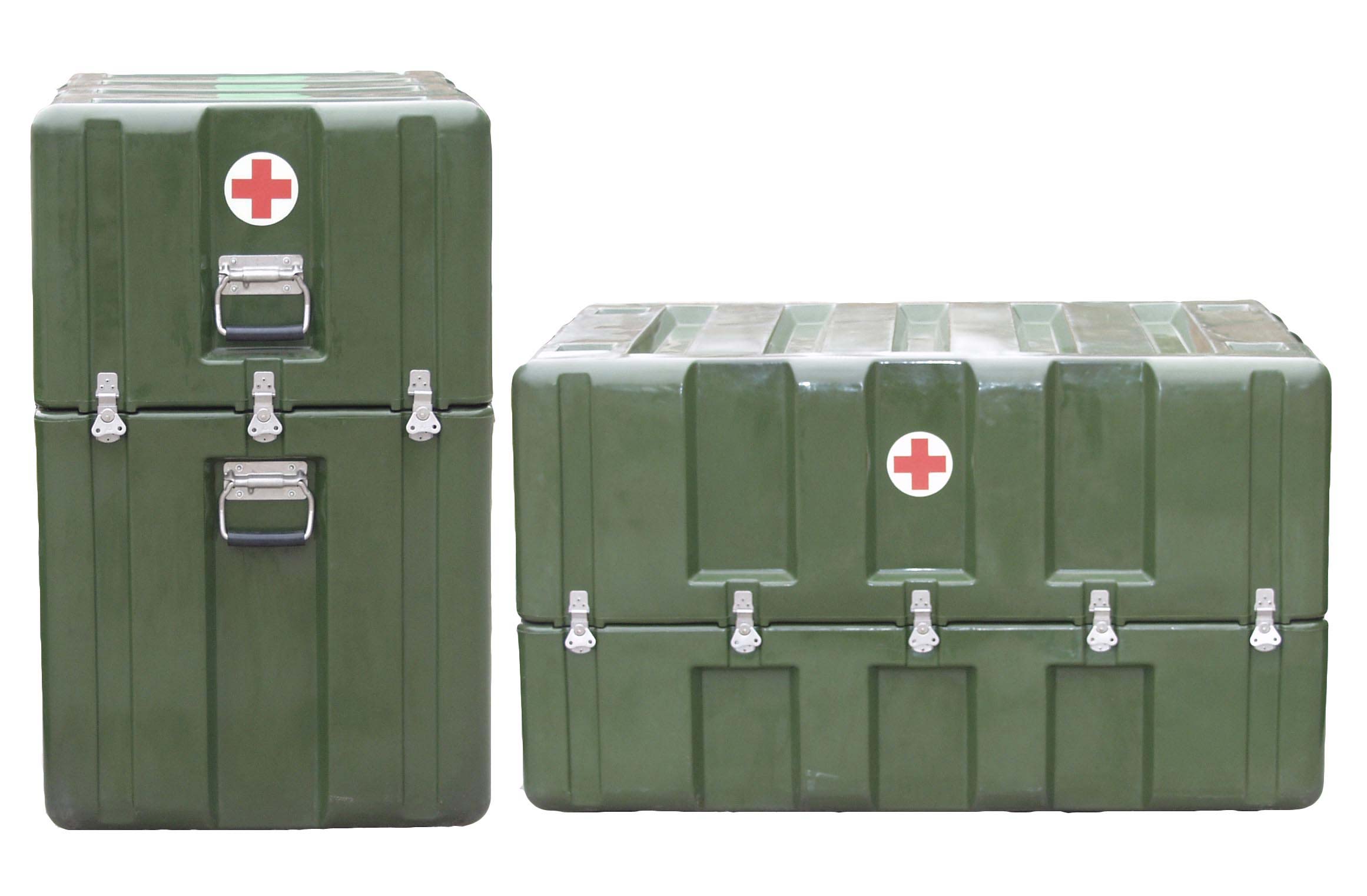
Folding Handle Types and How They Differ
Not all folding handles work the same way. The three primary types differ in retraction mechanism, mounting style, and clearance requirements.
Tilt-Up Folding Handles
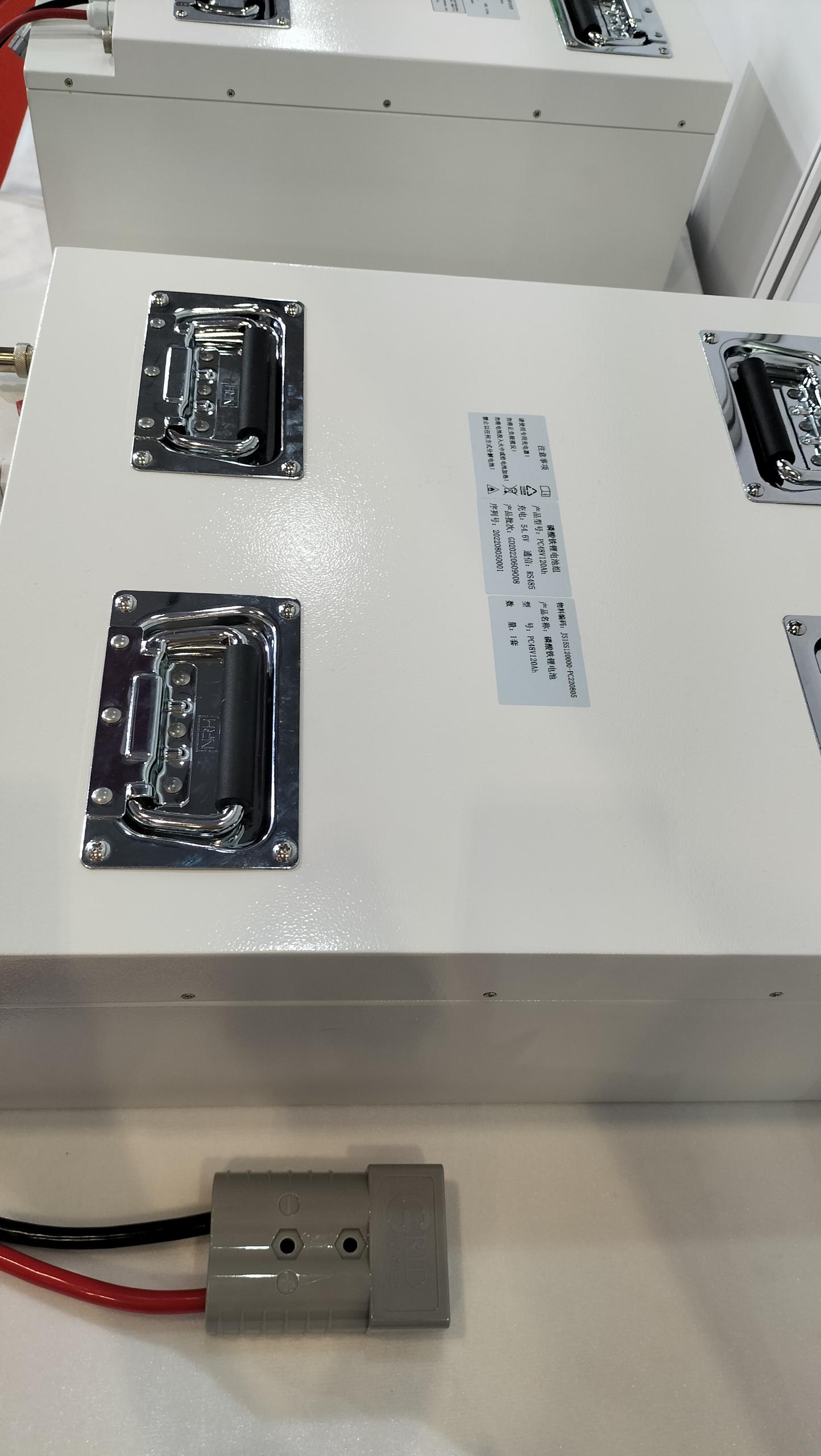
Tilt-up folding handles pivot on a hinge pin at the base. The grip rises approximately 90 degrees from the mounting surface when pulled up. A spring mechanism returns the handle to its flat resting position when released. These are the most common folding handle type on industrial cases. The 4201 series from NRH uses this exact mechanism. The model 4201-100, built from SUS304 stainless steel with a bright finish, supports a 25 kg load rating per manufacturer catalog data. Larger variants like the 4201-140 extend the grip length to 140 mm and increase the load capacity to 50 kg.
Most tilt-up models include a rubber or plastic grip sleeve for comfort during transport. The base plate secures to the case panel with through-holes, typically four M5 countersunk or flat-head screws. The folding angle is roughly 90 degrees on standard models, providing sufficient finger clearance for a stable grip on panels from 1 mm to 3 mm thick.
Flush-Mount Recessed Folding Handles
Flush-mount folding handles sit inside a cutout in the case panel. The handle folds into the recessed cavity, leaving the outer surface completely flat. This design eliminates any protrusion above the panel plane. It is the preferred choice for cases that must stack, slide into racks, or fit through tight openings.
The 4265 series illustrates this approach. Model 4265-100, also SUS304 with a mirror finish, carries a 30 kg load rating and weighs only 115 g. The recessed pocket requires precise panel cutout dimensions, which the manufacturer provides in engineering drawings. Installation takes longer than surface-mount types because of the cutout, but the result is a clean, snag-free exterior.
Retractable Spring Handles
Retractable spring handles use an internal torsion spring to pull the grip back to the folded position automatically. The user lifts the handle against spring tension, carries the case, and releases. The spring snaps the handle flat. This self-return action prevents the handle from staying open accidentally, which matters in environments where an open handle could catch on other equipment.
Spring-return models are common in the 4201 family. The spring mechanism adds minimal weight but increases cycle life. A quality torsion spring rated for industrial use typically exceeds 10,000 open-close cycles without fatigue.
Key Specifications That Determine Performance
Load Rating
Load rating is the maximum static weight a single handle can support without permanent deformation. For folding handles, this ranges from 25 kg for compact models to 80 kg for heavy-duty variants. Always match the handle rating to the loaded case weight. A 40 kg case requires at least two handles rated at 25 kg each, providing a safety margin. Never use a single handle on a case that two people must carry.
Material and Surface Treatment
Material determines corrosion resistance, strength, and appearance. The main options are:
- SUS304 stainless steel – the default for most case applications. Excellent corrosion resistance, good strength-to-weight ratio. Available in bright (LG), vibratory grind (ZG), mirror-polished, and brushed finishes.
- SUS201 stainless steel – a cost-reduced alternative with lower nickel content. Adequate for indoor use. Less resistant to salt spray and humidity than SUS304.
- Iron (FE) with chrome plating – lower cost, bright chrome appearance. Suitable for dry indoor environments. Chrome plating provides moderate corrosion protection but can chip under impact.
- Iron with black coating (BK2/BK3/BK4) – matte black aesthetic for tactical or military-style cases. Coating durability varies by process.
Grip Length and Hand Clearance
Grip length directly affects carrying comfort. A 100 mm grip suits one-hand carry on cases up to 25 kg. For heavier cases, 120 mm to 160 mm grips allow a two-hand carry or a more comfortable one-hand grip with gloves. The folded height above the panel also matters. Standard tilt-up handles protrude 5 to 15 mm when folded. Flush-mount models sit at 0 mm above the panel surface.
Mounting Configuration
Folding handles attach with either through-holes or threaded inserts. Through-hole mounting uses machine screws and nuts, which provides the strongest connection on thin panels. Threaded inserts work on thicker panels where back access is limited. Count the mounting points: four-point mounting is standard and resists loosening better than two-point designs under vibration.
Frequently Asked Questions (FAQ)
What is a folding handle used for?
A folding handle provides a grip point on equipment cases, enclosures, and cabinets while maintaining a low profile when not in use. The handle folds flat against the mounting surface, which prevents snagging during transport, stacking, or storage. Common applications include flight cases, road cases, medical equipment carts, military transit cases, and industrial instrument housings.
How much weight can a folding handle support?
Load ratings for folding handles range from 25 kg to 80 kg per handle, depending on size and material. Compact models support 25 kg. Mid-range models support 50 kg. Heavy-duty recessed handles reach 80 kg. Always use at least two handles per case and apply a safety margin of 1.5x for dynamic carrying conditions.
What is the difference between a tilt-up handle and a recessed folding handle?
A tilt-up handle mounts on the surface of the case panel and pivots upward from a hinge at the base. When folded, it sits close to the panel but still protrudes slightly. A recessed folding handle mounts inside a cutout in the panel. When folded, the grip sits flush with or below the outer panel surface. Recessed handles eliminate protrusions entirely but require panel modification.
Which material should I choose for a folding handle?
Choose SUS304 stainless steel for most outdoor, marine, or humid environments. It resists corrosion and maintains appearance over time. Choose iron with chrome plating for cost-sensitive indoor applications where corrosion is not a concern. Choose SUS201 stainless steel as a middle ground for light-duty indoor use. For military or tactical cases, iron with black coating provides the required aesthetic.
Do folding handles automatically return to the flat position?
Most tilt-up folding handles include a return spring that pulls the grip back to the folded position when released. Spring-return models use torsion springs for this function. Some flush-mount recessed handles rely on gravity rather than a spring. If self-return is critical for your application, confirm the spring mechanism in the product specification before ordering.
Can folding handles be used on stacking cases?
Yes, but only recessed flush-mount folding handles. Tilt-up handles protrude above the panel surface even when folded, which creates uneven contact between stacked cases and can cause instability or damage under load. Recessed handles fold into the panel cutout, leaving a flat surface that supports stable stacking.
How do I install a folding handle on a case panel?
For surface-mount tilt-up handles, mark the mounting hole positions using the handle base as a template, drill through-holes, and secure with machine screws and nuts from the back. For recessed handles, first cut the rectangular pocket using the manufacturer-provided cutout dimensions, then drill mounting holes within the pocket, insert the handle, and fasten from the back. Use thread-locking adhesive on all fasteners in high-vibration applications.
What is the typical folding angle on a folding handle?
Standard folding handles open to approximately 90 degrees from the mounting surface. This angle provides sufficient clearance for a gloved hand on most panel thicknesses. Some heavy-duty models may open slightly beyond 90 degrees to improve grip ergonomics on thicker panels.
Need help choosing? Contact NRH Box Hardware for technical guidance on folding handle selection, custom dimensions, and volume pricing. The full product catalog is available at nrh.hk.