

What Is a Wire Loop Toggle Latch? Lightweight Latching for Containers and Light-Duty Cases
A wire loop toggle latch is a lightweight mechanical fastener that uses a wire-formed hook or loop to secure two surfaces together. Unlike solid stamped toggle latches that use flat sheet metal levers, wire loop latches are formed from round steel wire bent into a U or J shape. This construction makes them significantly lighter, lower in cost, and simpler in design – ideal for light-duty applications where weight and economy matter more than extreme clamping force.
Wire loop toggle latches are operated by hand – simply push the lever down to close and pull it up to open. They are widely used on containers, buckets, industrial cleaning machines, packaging, equipment housings, machine panels, vehicle compartments, filter systems, and cases.

How a Wire Loop Toggle Latch Works
A wire loop toggle latch operates on the over-center (toggle) mechanism. The latch consists of two main parts: a wire-formed loop (hook or bail) that is integrated with the lever body, and a catch or keeper on the mating surface. The wire loop is not a separate moving part – it is formed as one piece with the lever body itself.
When you press the lever down, the entire lever body rotates downward. The integrated wire loop engages the catch on the container or enclosure edge. As the lever passes the “over-center” point, the mechanism locks securely into place. To release, simply lift the lever up – the lever body rotates upward, the wire loop disengages from the catch, and the lid opens.
Some wire loop latches are equipped with spring-loaded mechanisms that prevent the lever from popping open due to equipment vibrations. This makes them suitable for vibrating equipment and transport vehicles. Lockable versions are also available, allowing a padlock to be added for security.
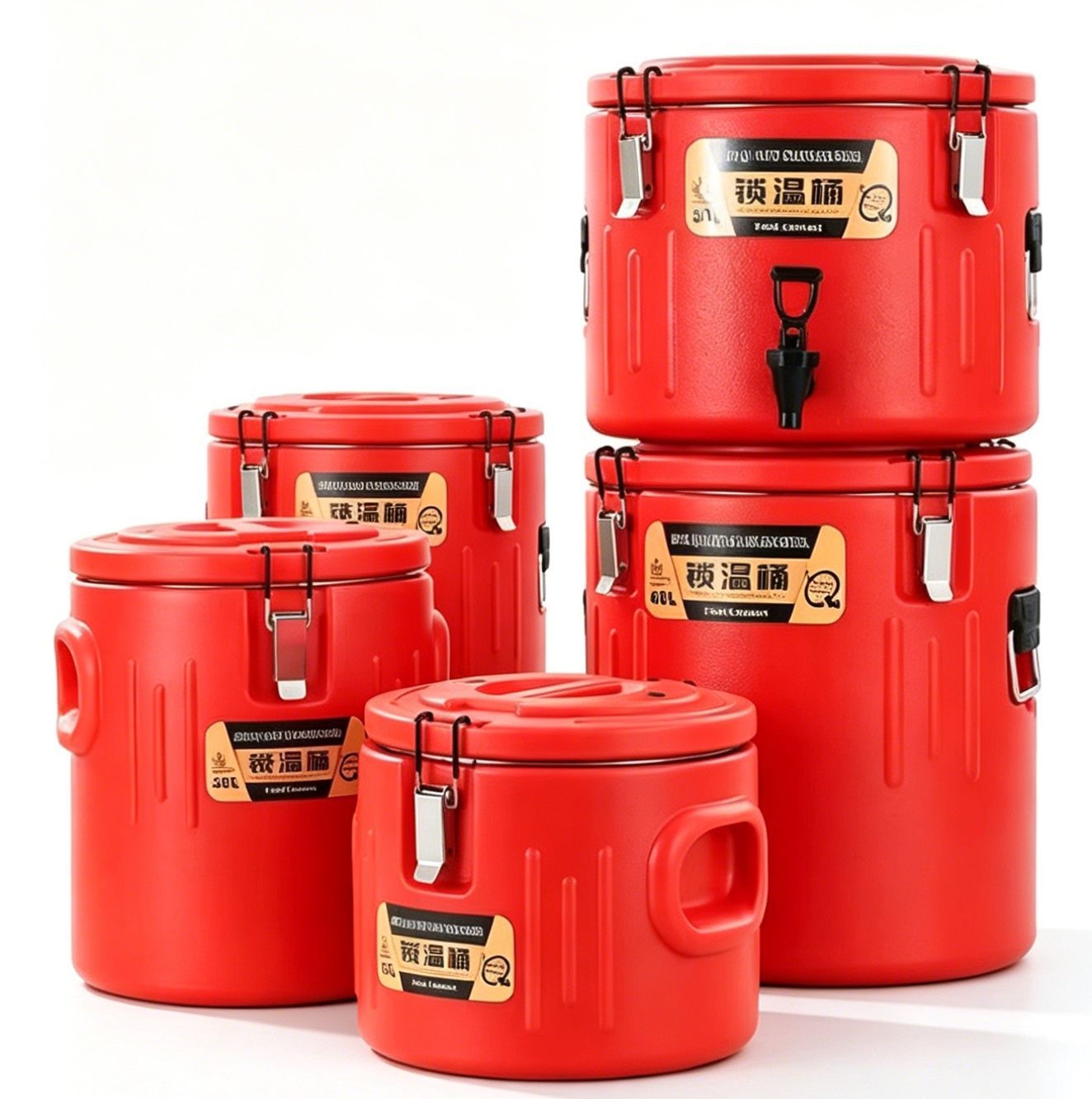
Structure and Design Features
| Feature | Description |
|---|---|
| Wire-formed loop | Round steel wire bent into a U or J profile; integrated with the lever body |
| Lever (body) | The user-operated part; pressing down engages the loop with the catch |
| Catch / keeper | The fixed receiver on the mating surface; may be a separate plate or simply the container edge |
| Over-center lock | The mechanism snaps into place when the lever passes the center point |
| Spring-loaded option | Prevents accidental opening under vibration |
| Padlockable option | Accepts a padlock for added security |
Typical Applications
Wire loop toggle latches are used across many industries due to their simplicity, low cost, and ease of operation. Typical applications include:
- Containers, buckets, and packaging – securing lids on round and rectangular containers
- Industrial cleaning machines – access panels on floor scrubbers and sweepers
- Equipment housings and machine panels – light-duty access doors
- Vehicle compartments – storage bins and access hatches
- Filter systems – quick-release filter housing covers
- Toolboxes and transport cases – portable tool organizers
- Instrument cases – portable test equipment enclosures
Wire Loop vs. Solid Toggle Latch: Which to Choose?
| Factor | Wire Loop Latch | Solid (Stamped) Toggle Latch |
|---|---|---|
| Construction | Formed from round wire | Stamped from flat sheet metal |
| Weight | Very light (5-15g) | Heavier (30-90g) |
| Cost | Lower | Higher |
| Typical load | Up to 15kg per latch | 15-55kg+ per latch |
| Profile height | Low, sits close to panel | Higher, lever projects further |
| Best use | Light-duty, low-vibration | Heavy-duty, high-vibration |
Choose a wire loop latch when the application is light-duty, cost-sensitive, and does not involve strong vibration or heavy loads. These are particularly well-suited for round containers, buckets, and cylindrical enclosures where the wire hook can easily engage the container rim without requiring a separate catch plate.
Choose a solid toggle latch when the panel is heavy, the enclosure experiences road vibration, or you need higher clamping force and locking options.
Material and Finish Options
Wire loop toggle latches are available in a variety of materials and finishes to suit different environments:
- SUS304 stainless steel – corrosion-resistant, standard for most applications
- Zinc-plated steel – economical, suitable for indoor use
- Nickel plating – moderate corrosion resistance
- Cataphoresis coatings – durable black finish
Installation and Maintenance
Installation of wire loop toggle latches is straightforward:
- Position the latch body on the lid or door surface and mark the mounting hole positions using the product as a template.
- Position the catch on the container body or enclosure edge so the hook engages cleanly when the lid closes.
- Drill pilot holes at the marked positions.
- Secure both components with screws or rivets.
- Test the closure by opening and closing several times to verify alignment and tension.
Maintenance requirements are minimal. Inspect latches periodically for loose fasteners, worn components, or corrosion. For spring-loaded variants, check that the spring action remains smooth.
Frequently Asked Questions (FAQ)
What is a wire loop toggle latch?
A wire loop toggle latch is a lightweight mechanical fastener with a wire-formed hook or loop that secures two surfaces together using an over-center locking mechanism. It is operated by hand – push to close, lift to open.
What is the typical load capacity of a wire loop toggle latch?
Most wire loop toggle latches are rated for light-duty applications with loads up to approximately 10-15kg per latch. Always apply a safety margin for dynamic conditions.
What materials are wire loop toggle latches available in?
Common materials include SUS304 stainless steel (corrosion-resistant, standard), zinc-plated steel (economical, indoor use), and nickel-plated finishes.
Can wire loop toggle latches be locked?
Yes. Lockable versions accept a padlock for added security. Some models also feature spring-loaded mechanisms to prevent accidental opening under vibration.
Where are wire loop toggle latches commonly used?
They are used on containers, buckets, packaging, industrial cleaning machines, equipment housings, machine panels, vehicle compartments, filter systems, and toolboxes. They are particularly well-suited for round containers where the wire hook can engage the container rim directly.
What is the difference between a wire loop latch and a solid toggle latch?
A wire loop latch is formed from round wire – lighter, cheaper, and lower profile but with lower load capacity (up to 15kg). A solid toggle latch is stamped from flat sheet metal – heavier, more expensive, but handles higher loads (15-55kg+) and offers more finish options.
Need help choosing? Contact NRH Box Hardware for technical guidance on latch selection for your container or enclosure project. The full product catalog is available at nrh.hk.