

Spring Hinge Guide: Self-Closing Mechanism for Cases and Enclosures
Applicable Buyers
This guide is for case builders, product designers, engineers, and maintenance professionals selecting hinges for cases, enclosures, cabinets, and equipment lids. If you need a door or lid to close automatically, this article explains how spring hinges work, compares the three NRH spring hinge series (8601 thick, 8602 thin, and 8603 reverse-mount), and provides selection criteria for different applications.
Key Finding: A spring hinge integrates a torsion spring that automatically closes a door or lid when released, eliminating the need for a separate latch in many applications. NRH offers three spring hinge series: 8601 thick hinges (standard heavy-duty, 5-25kg load), 8602 thin hinges (low-profile, 4-8kg load), and 8603 reverse-mount hinges (requires panel cutout, 3-30kg load). The 8603-100 offers the highest load rating at 30kg per pair. Choose based on panel weight, mounting space, and whether a cutout is acceptable.
A spring hinge is a hinge with an integrated spring mechanism that applies torque to close the door or lid automatically. Also called a self-closing hinge, it eliminates the need for a separate latch in many case and enclosure applications. The spring force holds the panel shut against vibration and gravity, making it a standard component in industrial enclosures, tool cases, and equipment cabinets.
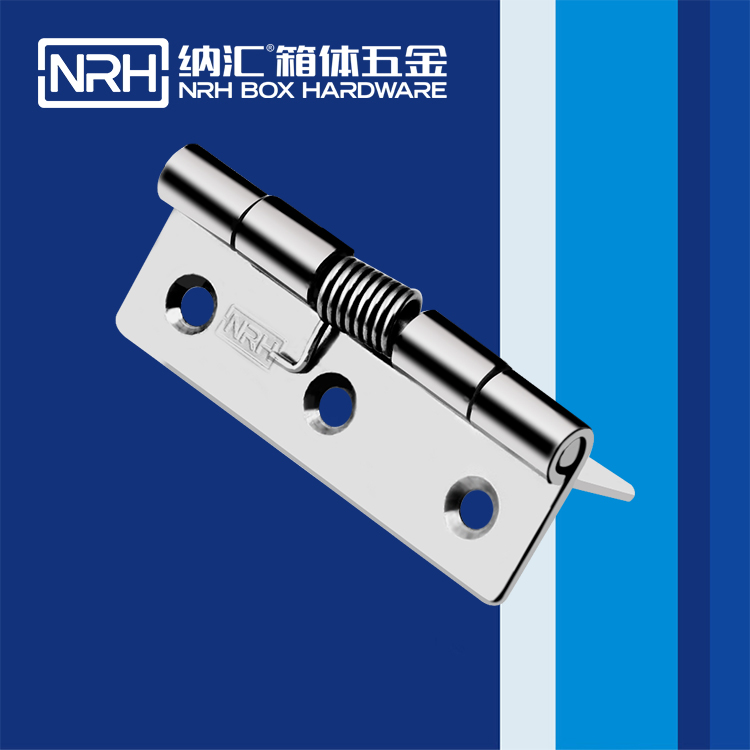
Figure 1: 8601 series thick spring hinge with self-closing torsion mechanism, designed for heavy-duty case and enclosure applications. (Image source: NRH Box Hardware)
How the Spring Hinge Mechanism Works
A spring hinge stores mechanical energy in a torsion spring wound around the hinge pin. When the door or lid opens, the spring winds tighter. When you release the door, the stored energy drives the hinge back toward the closed position.
The closing force depends on three factors:
- Spring wire diameter – thicker wire generates more torque.
- Number of active coils – more coils increase the total stored energy.
- Pre-load tension – the initial winding applied during assembly sets the baseline closing force.
In contrast, a stay hinge (also called a support hinge or position-control hinge) uses a mechanical stop to hold the lid at a set angle – typically 90 degrees – instead of pulling it closed. The NRH 8131 series is an example of a stay hinge that keeps the case lid open while you work.
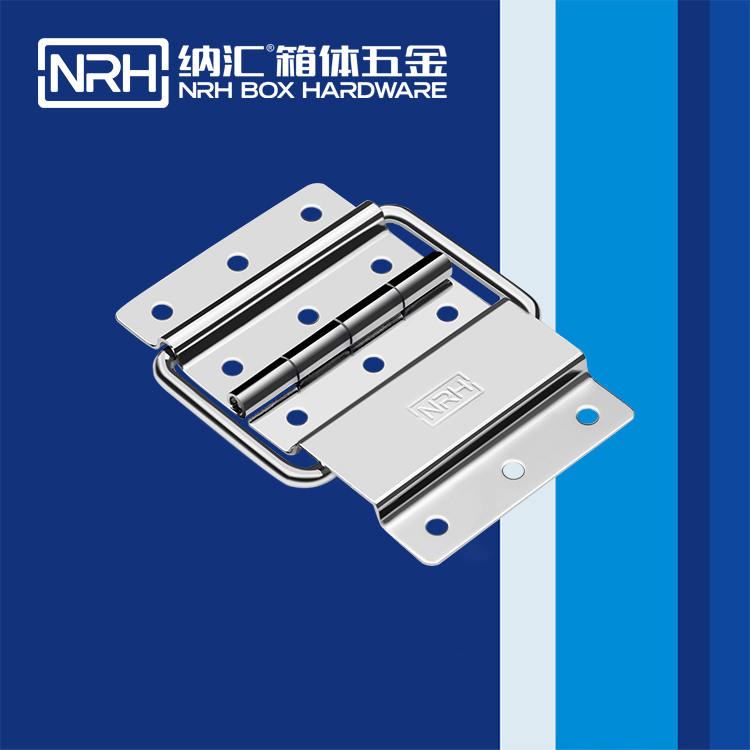
Figure 2: 8131 series stay hinge provides 90-degree position-hold function, contrasting with spring hinge self-closing operation. (Image source: NRH Box Hardware)
NRH Spring Hinge Series Overview
NRH offers three spring hinge series, each designed for different mounting requirements and load capacities.
| Series | Type | Mounting | Load Range | Best For |
|---|---|---|---|---|
| 8601 | Thick / Standard | Standard surface mount | 5-25kg | General-purpose, heavy-duty applications |
| 8602 | Thin / Low-profile | Standard surface mount | 4-8kg | Compact cases, tight spaces, light panels |
| 8603 | Reverse-mount | Requires panel cutout | 3-30kg | Heavy lids, flush-mount applications |
Selection principle: Choose 8601 for standard applications, 8602 for space-constrained installations, and 8603 when reverse-mounting is required (the hinge mounts inside the panel with only the hinge barrel exposed).
8601 Series – Thick / Standard Spring Hinges
The 8601 series is the standard spring hinge line from NRH, featuring a robust design suitable for general-purpose and heavy-duty applications. All models in this series are manufactured from 304 stainless steel with a vibratory finish. The thick body design provides maximum durability and load capacity.
Load ratings in the table below are per pair when two hinges are installed vertically (longitudinal mounting). For single-hinge installations, reduce the load rating by 50%.
| Model | Material | Finish | Weight | Load Rating (per pair) | Key Dimensions | Hole Spec |
|---|---|---|---|---|---|---|
| 8601-25 | 304 SS | Vibratory | 11g | 5kg | 31.5 x 0.9 x 21 | 4 x 3.4 |
| 8601-38 | 304 SS | Vibratory | 17g | 8kg | 30 x 6.1 x 19.5 | 4 x 4.2 |
| 8601-50 | 304 SS | Vibratory | 26g | 12kg | 36 x 6.3 x 22 | 4 x 4.4 |
| 8601-60 | 304 SS | Vibratory | 44g | 15kg | 40 x 1.2 x 26 | 6 x 4 |
| 8601-75 | 304 SS | Vibratory | 76g | 18kg | 50 x 1.3 x 30 | Holes 6×5.4 / Countersink 6×9 |
| 8601-80 | 304 SS | Vibratory | 112g | 25kg | 66 x 40 x 1.6 | 4 x 9 |
| 8601-100 | 304 SS | Vibratory | 106g | 25kg | 50 x 30 x 1.5 | Holes 6×5.3 / Countersink 6×9 |
Key Features:
- 304 stainless steel construction with vibratory finish
- Self-closing torsion spring mechanism
- Maximum opening angle: 180 degrees
- Mounting: surface mount with rivets, screws, or spot welding based on hole pattern
- Applications: Medical cases, flight cases, heavy-duty cases, fire equipment cases, aviation equipment
8602 Series – Thin / Low-Profile Spring Hinges
The 8602 series is designed for applications where mounting space is limited or a low profile is required. The thin body design makes it ideal for compact cases, thin-wall enclosures, and installations where hinge protrusion must be minimized.
| Model | Material | Finish | Weight | Load Rating (per pair) | Key Dimensions | Hole Spec |
|---|---|---|---|---|---|---|
| 8602-25 | 304 SS | Vibratory | 8g | 4kg | 31 x 5.5 x 0.9 | 4 x 3 |
| 8602-38 | 304 SS | Vibratory | 12g | 6kg | 31 x 5.5 x 0.9 | 4 x 4.5 |
| 8602-50 | 304 SS | Vibratory | 19g | 8kg | 36 x 5.5 x 0.9 | 4 x 4.2 |
Key Features:
- 304 stainless steel construction with vibratory finish
- Thin, low-profile design for space-constrained installations
- Self-closing torsion spring mechanism
- Maximum opening angle: 180 degrees
- Mounting: surface mount with rivets, screws, or spot welding based on hole pattern
- Applications: Compact cases, thin-wall enclosures, instrument boxes, lightweight panels
8603 Series – Reverse-Mount Spring Hinges
The 8603 series is designed for reverse-mount applications where the hinge body is installed inside the panel with only the hinge barrel exposed. This creates a clean, flush appearance and is ideal for cases where surface-mounted hardware would interfere with stacking or storage. Note: Installation requires cutting a recess in the panel to accommodate the hinge body.
| Model | Material | Finish | Weight | Load Rating (per pair) | Key Dimensions | Hole Spec |
|---|---|---|---|---|---|---|
| 8603-25 | 304 SS | Vibratory | 11g | 3kg | 32.2 x 6.4 x 21.5 | 4 x 3.1 |
| 8603-38 | 304 SS | Vibratory | 18g | 5kg | 32 x 6.4 x 21.3 | 4 x 4.1 |
| 8603-50 | 304 SS | Vibratory | 26g | 10kg | 31.8 x 6.4 x 22.1 | 4 x 4.4 |
| 8603-60 | 304 SS | Vibratory | 43g | 10kg | 40.6 x 8.3 x 27.5 | 6 x 4.1 |
| 8603-75 | 304 SS | Vibratory | 77g | 20kg | 50.6 x 31 x 9.2 | Holes 6×5.5 / Countersink 6×9 |
| 8603-80 | 304 SS | Vibratory | 111g | 15kg | 66.4 x 40.5 x 10 | 4 x 9 |
| 8603-100 | 304 SS | Vibratory | 106g | 30kg | 50.5 x 31 x 10 | Holes 6×5.3 / Countersink 6×9 |
Key Features:
- 304 stainless steel construction with vibratory finish
- Reverse-mount design requires panel cutout (hinge body recessed inside panel)
- Self-closing torsion spring mechanism
- Maximum opening angle: 180 degrees
- Mounting: Requires cutting a recess in the panel; hinges are then mounted inside the panel with only the barrel exposed
- Applications: Heavy lids requiring flush appearance, flight cases, medical equipment, premium enclosures where surface-mounted hardware is undesirable
Installation Note: The 8603 series requires cutting a recess in the panel to accommodate the hinge body. The recess depth must match the hinge body thickness (8.3-10mm depending on model). For field installation, consider 8601 or 8602 series which require no panel modification.
Selection Guide: Choosing the Right Spring Hinge
Use this checklist to narrow down the right hinge for your project:
| Selection Factor | Recommended Series | Reason |
|---|---|---|
| Heavy lid (15kg+) | 8603-75, -80, -100 | Highest load capacity up to 30kg |
| Space-constrained mounting | 8602 series (thin) | Low-profile design saves space |
| Flush appearance required | 8603 series (reverse-mount) | Hinge recessed inside panel |
| Standard general-purpose | 8601 series (thick) | Most common, wide load range |
| Light panel (under 5kg) | 8601-25, 8602-25, or 8603-25 | Minimal load capacity sufficient |
| Maximum load | 8603-100 | 30kg capacity per pair |
Additional selection factors:
- Material: All three series are available in SUS304 stainless steel with vibratory finish, providing corrosion resistance for indoor and light outdoor use.
- Finish: Vibratory finish hides scratches and suits industrial cases. Mirror polish is also available on some models.
- Hinge length: Longer hinges (75-100mm) spread the load across more screws, which matters on thin sheet-metal walls. Shorter hinges (25-50mm) save space on compact enclosures.
- Load rating: Match the hinge load capacity to the lid weight. Load ratings in the tables above are per pair (two hinges, vertical mounting). For single-hinge installations, use 50% of the rated capacity.
- Installation: 8601 and 8602 are surface-mount (no panel modification required). 8603 requires cutting a recess in the panel.
Installation and Maintenance
Proper installation determines whether a spring hinge performs reliably over time.
Installation Methods:
- Rivets: Most common method for permanent installation. Use blind rivets or pop rivets sized to match the hinge hole diameter (typically 3-4mm).
- Screws: Use machine screws with lock nuts for removable installation. Thread-locking compound is recommended to prevent loosening from vibration.
- Spot welding: For permanent, high-strength connections on steel cases.
8603 Reverse-Mount Installation Notes:
- The 8603 series requires cutting a recess in the panel to accommodate the hinge body.
- The recess depth must match the hinge body thickness (8.3-10mm depending on model).
- Only the hinge barrel should protrude through the panel surface.
- For field installation without cutting capability, choose the 8601 or 8602 series instead.
Important Notes:
- Do not use rainwater, acid solutions, or harsh chemicals to clean the hinges.
- Do not use grinding machines or polishing tools on the product.
- Do not arbitrarily change the hole spacing of the product to avoid unnecessary damage.
- Do not arbitrarily remove or replace product components.
- Always select the hinge based on the load rating for your application.
- If welding is required, use unplated (raw) products for the welding operation. High temperatures from welding can damage plated finishes.
- Store hinges in a dry location. Do not store in damp or humid areas to prevent rust or oxidation.
Spring Hinge vs. Stay Hinge: When to Choose Which
While spring hinges provide self-closing functionality, some applications require a lid to remain open at a fixed angle. This is where stay hinges (also called support hinges) are used.
A stay hinge holds the lid at a specific angle – typically 90 degrees – without automatically closing. The NRH 8131 series is designed for this purpose, with load capacities ranging from 5kg to 10kg depending on the model. Stay hinges are ideal for cases where the user needs both hands free to access the interior, such as medical equipment cases, military transport cases, and workstations.
Selection rule: Choose a spring hinge (8601/8602/8603) when the panel must close automatically. Choose a stay hinge (8131) when the lid must stay open at a fixed angle during use.
Key Takeaways
- Spring hinges (8601, 8602, 8603 series) provide self-closing function with built-in torsion springs.
- 8601 series (thick) is the standard general-purpose option with load ratings from 5-25kg. Best for most applications.
- 8602 series (thin) offers a low-profile design for space-constrained installations with load ratings from 4-8kg.
- 8603 series (reverse-mount) requires panel cutout and offers the highest load capacity up to 30kg (8603-100). Best for flush-mount applications.
- Load ratings are per pair when two hinges are installed vertically. Single-hinge installations should use 50% of the rated capacity.
- All three series use 304 stainless steel with vibratory finish for corrosion resistance and durability.
- Spring hinges eliminate the need for separate latches in many applications, reducing hardware count and installation time.
- Choose a stay hinge (8131) when the lid must stay open at a fixed angle. Choose a spring hinge when the panel must close automatically.
Frequently Asked Questions
What is a spring hinge?
A spring hinge is a hinge with a built-in torsion spring that automatically closes a door or lid when released. The spring applies rotational force around the hinge pin, pulling the panel back to the shut position.
What is the difference between 8601, 8602, and 8603 spring hinges?
8601 is the standard thick hinge (5-25kg) for general-purpose applications. 8602 is the thin low-profile hinge (4-8kg) for space-constrained installations. 8603 is the reverse-mount hinge (3-30kg) that requires panel cutout for flush appearance.
How does a self-closing hinge work?
A self-closing hinge stores energy in a wound torsion spring. Opening the door winds the spring tighter. Releasing the door lets the spring unwind, driving the hinge toward the closed position. The closing speed and force depend on the spring wire size, coil count, and pre-load tension.
What is the difference between a spring hinge and a stay hinge?
A spring hinge closes the panel automatically via its internal spring. A stay hinge holds the lid at a fixed angle (typically 90 degrees) without self-closing. Choose spring for self-closing; choose stay for position-hold.
Can you adjust the tension on a spring hinge?
Most NRH spring hinges are non-adjustable. The spring force is set at the factory. If the closing force does not match your application, select a different model with the appropriate load rating.
How many spring hinges do I need per lid?
For most applications, use two hinges (one on each side) for balanced closing force and load distribution. Load ratings in the tables are per pair. For lids under 3kg, a single hinge may suffice when mounted centrally, but this is not recommended for heavy-duty applications.
Are spring hinges suitable for outdoor use?
Yes, all 8601, 8602, and 8603 series hinges are manufactured from 304 stainless steel with vibratory finish, providing corrosion resistance for outdoor and humid environments. For harsh marine or chemical exposure, consider SUS316.
What size spring hinge do I need?
Match the hinge length and load rating to your panel. A 25mm hinge suits compact cases. A 100mm hinge provides more screw spacing for thin-wall enclosures. The 8603-100 offers the highest load rating at 30kg per pair.
Need help choosing? Whether you need standard 8601, low-profile 8602, or reverse-mount 8603 spring hinges for your cases and enclosures, NRH can help you find the right products. Contact the team for technical support and product selection guidance:
TEL & WhatsApp & WeChat: +86 180 1797 5137
E-MAIL: nrh-gz@nrh.cn
ADD: Room 1703-1704, Zhongji Building, No. 819 Yinxiang Road, Nanxiang Town, Jiading District, Shanghai, China