

Introduction
Latches may seem like small, insignificant components, but they play a vital role in numerous applications across various industries. From simple household items to complex industrial machinery, these mechanical devices provide secure fastening solutions that ensure safety, security, and functionality. This comprehensive guide explores everything you need to know about industrial latches, their types, applications, and selection criteria.
What Are Latches?
Latches are mechanical devices used to join two surfaces or components together while allowing for regular separation when required. They operate through simple mechanical mechanisms that enable quick opening and closing without requiring tools in most cases.
Basic Characteristics of Standard Latches
- Simple Operation: Easy to use with minimal effort.
- Quick Release: Enable fast opening and closing mechanisms.
- Versatile Designs: Available in numerous styles and configurations.
- Wide Applications: Used in consumer products, furniture, and basic enclosures.
Understanding Industrial Latches
Industrial latches represent a specialized category of fastening devices engineered for demanding applications and harsh environments. These heavy-duty versions differ significantly from standard latches in their construction, materials, and performance capabilities.
Key Features of Industrial Latches
1. Enhanced Strength and Durability
Industrial latches are manufactured using high-quality materials such as stainless steel (304 and 316 grade), zinc alloy, aluminum with hardened coatings, and engineering-grade polymers.
2. Environmental Resistance
- Corrosion Protection: Advanced surface treatments resist chemicals, moisture, and salt spray.
- Temperature Tolerance: Designed to perform in extreme temperature conditions.
- Weather Resistance: Sealed options available for outdoor applications.
- Hygienic Designs: Easy-clean surfaces for food and medical applications.
3. Security and Reliability Features
- Locking Mechanisms: Prevent unauthorized or accidental opening.
- Vibration Resistance: Maintain secure fastening in dynamic environments.
- High Load Capacity: Some industrial latches support weights exceeding 900 kg.
Types of Industrial Latches and Their Applications
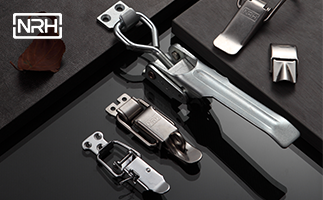
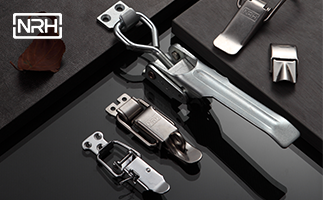
1. Compression Latches
Provide downward pressure when closed, creating a secure seal against environmental elements.
2. Draw Latches
Feature a pulling action that draws two surfaces together tightly, ideal for containers and panels.
3. Slam Latches
Allow doors to close automatically without manual locking, commonly used in vehicle applications.
4. Cam Latches
Utilize a rotating cam mechanism to secure doors and panels, offering compact security solutions.
5. Heavy-Duty Latches
Designed for extreme applications with reinforced components and enhanced security features.
Selection Criteria for Industrial Latches
Key Considerations
- Load Requirements: Determine static and dynamic load capacities. Consider safety factors for unexpected stress.
- Environmental Conditions: Evaluate temperature ranges, exposure to chemicals or corrosive elements, and outdoor versus indoor applications.
- Material Compatibility: Match materials to application requirements. Consider galvanic corrosion potential.
- Regulatory Compliance: Check industry-specific standards, safety certifications, and quality management system requirements.
- Operational Needs: Assess frequency of use, security requirements, and accessibility considerations.
Industry-Specific Applications
Transportation and Logistics
- Container securing systems
- Truck and trailer applications
- Cargo protection devices
Industrial Manufacturing
- Machinery guards and safety interlocks
- Control panel access systems
- Equipment enclosure fasteners
Energy Sector
- Electrical cabinet latches
- Renewable energy equipment
- Outdoor enclosure systems
Maintenance and Care Guidelines
Proper maintenance ensures optimal performance and longevity:
- Regular Inspection: Check for wear and deformation. Verify proper alignment and operation.
- Cleaning Procedures: Remove dirt and debris from mechanisms. Use appropriate cleaning solutions.
- Lubrication Schedule: Apply suitable lubricants to moving parts. Follow manufacturer recommendations.
- Replacement Protocol: Replace worn components promptly. Use genuine replacement parts.
Conclusion
Industrial latches may be small components, but they play a crucial role in ensuring the safety, security, and functionality of equipment across numerous industries. Understanding the different types, applications, and selection criteria helps professionals choose the right latches for their specific needs.
When selecting industrial latches, consider all operational requirements and environmental factors to ensure optimal performance and longevity. Consulting with technical experts and reputable manufacturers can provide valuable guidance in choosing the most appropriate latching solutions for your applications.
This content is provided for informational purposes only. Specific product selection should be based on technical consultation with qualified engineers and manufacturers. Always refer to manufacturer specifications and guidelines for proper product application and installation.