

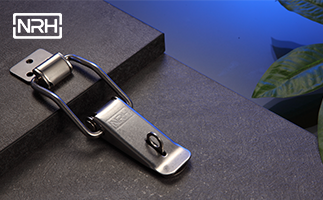
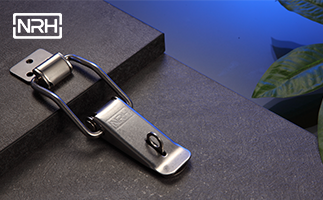
Latches may seem like small, insignificant components, but they play a vital role in numerous applications across various industries. From simple household items to complex industrial machinery, these mechanical devices provide secure fastening solutions that ensure safety, security, and functionality.
What Are Latches?
Latches are mechanical devices used to join two surfaces or components together while allowing for regular separation when required. They operate through simple mechanical mechanisms that enable quick opening and closing without requiring tools in most cases.
Basic Characteristics of Standard Latches
- Simple Operation: Easy to use with minimal effort.
- Quick Release: Enable fast opening and closing mechanisms.
- Versatile Designs: Available in numerous styles and configurations.
- Wide Applications: Used in consumer products, furniture, and basic enclosures.
Understanding Industrial Latches
Industrial latches represent a specialized category of fastening devices engineered for demanding applications and harsh environments. These heavy-duty versions differ significantly from standard latches in their construction, materials, and performance capabilities.
Key Features of Industrial Latches
Enhanced Strength and Durability
Industrial latches are manufactured using high-quality materials including:
- Stainless steel (304 and 316 grade).
- Carbon steel with surface treatment (electrogalvanized or powder-coated).
- Cast metals for extreme load-bearing capacity.
- Zinc alloy and aluminum.
Environmental Resistance
- Corrosion Protection: Advanced surface treatments resist chemicals, moisture, and salt spray.
- Temperature Tolerance: Designed to perform in extreme temperature conditions.
- Weather Resistance: Sealed options available for outdoor applications.
- Vibration Resistance: Spring mechanisms dampen vibrations in dynamic environments.
Security and Reliability Features
- Locking Mechanisms: Prevent unauthorized or accidental opening.
- High Load Capacity: Some industrial latches support weights exceeding 900 kg.
- Quick Operation: Enable rapid opening and closing while ensuring secure fastening.
Types of Industrial Latches and Their Applications
Heavy-Duty Spring Latches
Feature integrated spring mechanisms that provide consistent tension and buffer against shocks and vibrations. Ideal for applications requiring regular access and vibration resistance.
Adjustable Latches
Allow for fine-tuning of tension or length, perfect for uneven surfaces or applications requiring precise alignment.
Compression Latches
Provide downward pressure when closed, creating a secure seal against environmental elements.
Draw Latches
Feature a pulling action that draws two surfaces together tightly, ideal for containers and panels.
Industry Applications
Industrial Machinery and Equipment
Securing access panels on vibratory machinery, electrical enclosures, control cabinets, and CNC equipment.
Transportation and Logistics
Locking mechanisms for heavy-duty toolboxes, shipping containers, military cases, and truck tarps.
Waste Management and Utility Vehicles
Robust latching systems for garbage bins, dump trucks, and utility vehicle compartments.
Specialized Fields
Applications in medical devices, food processing equipment, and communication infrastructure.
Selection Considerations
When choosing industrial latches, consider these crucial factors:
Material Requirements
- Stainless steel for corrosive environments.
- Coated carbon steel for cost-effective solutions.
- Cast metals for extreme load applications.
Performance Specifications
- Load capacity requirements.
- Operating frequency.
- Environmental conditions.
- Security needs.
Quality Standards
- Salt spray test results (24+ hours for basic protection, 48+ hours for superior corrosion resistance).
- Load testing certifications.
- Durability cycling tests (up to 100,000 cycles for high-end products).
- International compliance (RoHS, REACH).
Customization Options
- Dimension modifications.
- Surface finish alternatives.
- Branding opportunities.
- Special feature integration.
Maintenance and Care
Proper maintenance ensures optimal performance and longevity:
Regular Inspection
Check for wear, corrosion, and proper alignment.
Cleaning Procedures
Remove dirt and debris using appropriate methods.
Lubrication Schedule
Apply suitable lubricants to moving parts as recommended.
Replacement Protocol
Replace worn components promptly with genuine parts.
Conclusion
Industrial latches, particularly heavy-duty spring latches, are essential components that ensure the safety, security, and functionality of equipment across numerous industries. Understanding their characteristics, applications, and selection criteria helps professionals choose the right latches for their specific requirements.
When selecting industrial latches, consider all operational requirements and environmental factors to ensure optimal performance and longevity. The right latch solution can significantly enhance product reliability and user satisfaction while reducing maintenance needs and total cost of ownership.