

Aluminum and Roto-Molded Cases: How Material Changes Hardware Requirements
Applicable Buyers
This guide is for product designers, engineers, and procurement professionals selecting hardware for aluminum cases or roto-molded cases. The choice between these two case constructions determines which latches, handles, hinges, and corner protectors will work reliably. This article explains the differences in mounting methods, hardware compatibility, and selection criteria for each case type.
Key Finding: Aluminum cases and roto-molded cases require different hardware approaches because their base materials behave differently. Aluminum is rigid with thin walls (1.2-2.0mm) and accepts rivet or screw mounting. Roto-molded plastic is flexible with thicker walls (3-6mm) and requires bolt-through mounting or pre-molded inserts to distribute loads and prevent point-load failure. Choosing the wrong hardware type leads to loose latches, stripped threads, or failed seals within months.
Aluminum cases and roto-molded cases are the two most common construction types for industrial transport cases, equipment enclosures, and storage containers. While they serve similar functions, the hardware that works on one type often fails on the other. This guide explains why and provides specific model recommendations for each application.
Why Material Dictates Hardware Choice
Aluminum sheet and extrusion profiles provide a rigid substrate that accepts rivets, self-tapping screws, and threaded inserts with high pull-out resistance. The rigid material distributes clamp load across a defined contact area, allowing fasteners to develop their full holding strength. Aluminum cases are typically assembled from frames and panels, with wall thickness ranging from 1.2mm to 2.0mm.
Roto-molded polyethylene (PE) or polypropylene (PP) shells behave differently. The material flexes under point loads. Fasteners that work in metal – single-rivet mounts, small-diameter screws – can pull out or crack the plastic under repeated cycling. Roto-molded cases are formed as a single piece with wall thickness typically ranging from 3mm to 6mm. The corners are naturally thicker due to material flow during the molding process.
This single difference – rigid vs. flexible substrate – drives every hardware decision that follows.
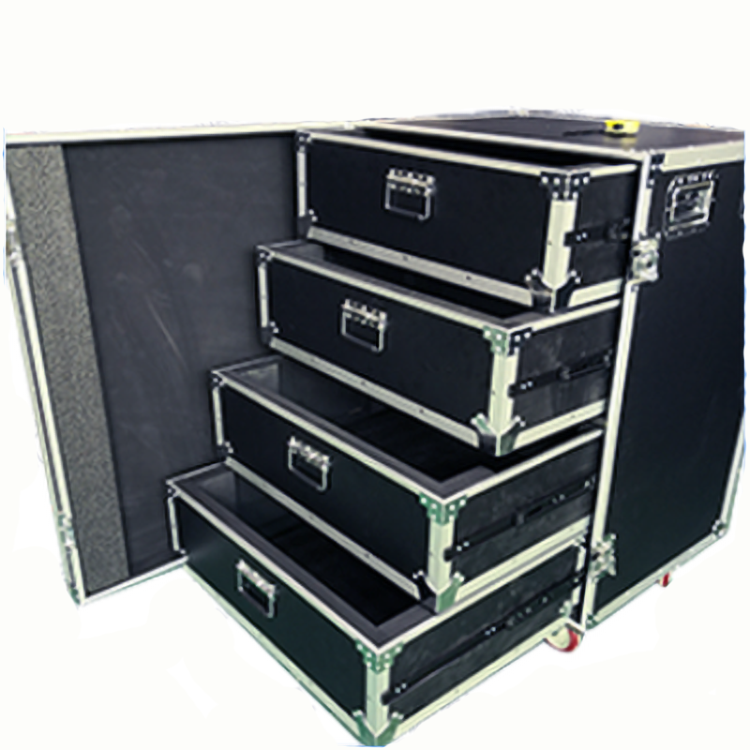
Figure 1: Aluminum cases use rivet-mounted hardware on rigid frames; roto-molded cases rely on bolt-through mounting on flexible plastic shells. (Image source: NRH Box Hardware)
Mounting Methods: Aluminum vs. Roto-Molded
The mounting method determines which hardware models fit each case type. Using the wrong mounting method is the most common cause of hardware failure.
Aluminum Case Mounting Methods
| Method | Application | Advantage |
|---|---|---|
| Rivets (Pop Rivets / Solid Rivets) | Standard mounting for most hardware | Fast, single-side access, permanent connection |
| Threaded Inserts (Rivet Nuts) | Hardware that requires removal | Provides reusable metal threads in thin material |
| Self-Tapping Screws | Light-duty or non-structural connections | Lowest cost, simplest installation |
Not recommended for aluminum cases:
- Standard bolts through the panel: Aluminum sheet is too thin (1.2-2.0mm) to provide sufficient thread engagement. Bolts will strip or pull through under load.
- Adhesive mounting: The aluminum oxide layer on the surface makes adhesive bonding unreliable under vibration or impact loads.
Roto-Molded Case Mounting Methods
| Method | Application | Advantage |
|---|---|---|
| Bolt-Through with Large Washers | Most reliable method for high-load hardware | Distributes load across large area, prevents pull-through |
| Pre-Molded Threaded Inserts | Production runs, clean installation | Metal threads integrated into plastic during molding |
| Well-Nut Inserts (Expanding Rubber Nuts) | Light-duty applications, retrofit installations | Simple installation, single-side access |
Not recommended for roto-molded cases:
- Self-tapping screws: PE and PP have low hardness and cannot maintain thread integrity under load. Screws will strip out or cause stress cracking around the hole.
- Pop rivets: The point load created by a rivet will pull through the flexible plastic over time. Rivets concentrate force on a small area and eventually tear through.
- Adhesive mounting: PE and PP have low surface energy (approximately 30 mN/m), making them extremely difficult to bond. Most adhesives will not form chemical bonds with these materials.
Latch Selection: Aluminum vs. Roto-Molded
Aluminum Cases: Draw Latch / Toggle Latch (5101-96 Series)
Aluminum cases are commonly fitted with draw latches (also called toggle latches). The 5101-96 series is a representative example used on aluminum case constructions. The flat base plate sits flush against the metal frame, and the over-center mechanism pulls the lid tight against the case gasket.
5101-96 Series – Draw Latch
- Material: Iron or 304 Stainless Steel
- Finish: Chrome Plating, Vibratory
- Weight: Approximately 85g (304 Stainless Steel version)
- Key Features: Internal spring provides automatic return when released. Secures tightly under strong vibration without the cover disengaging. Designed for repeated opening and closing cycles.
- Mounting: Rivets, screws, or spot welding based on hole pattern
- Applications: Medical cases, flight cases, heavy-duty cases, fire equipment cases, trunk cases, wooden cases, machinery, instruments, marine equipment
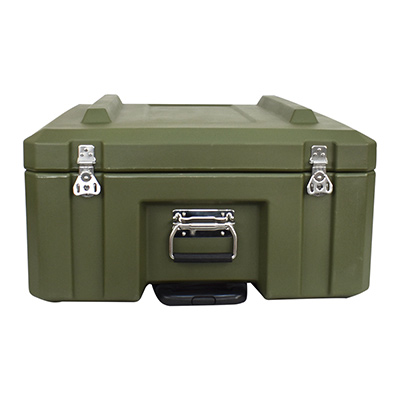
Figure 2: Draw latches rivet to aluminum extrusions. The rigid frame provides a stable mounting surface. (Image source: NRH Box Hardware)
Roto-Molded Cases: Butterfly Latch (6324 Series)
Roto-molded cases are commonly fitted with butterfly latches. The 6324 series is specifically designed for roto-molded case applications.
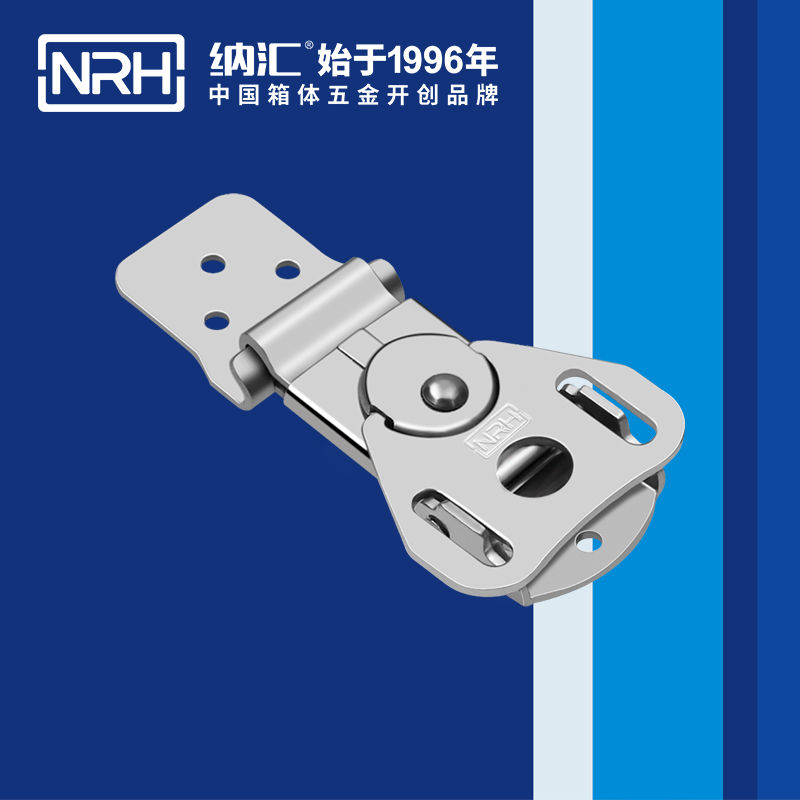
Figure 3: 6324 series butterfly latch for roto-molded cases. Key lock version available. (Image source: NRH Box Hardware)
6324 Series – Butterfly Latch
- Material: 304 Stainless Steel
- Finish: Vibratory, deburred and polished
- Key Features: Rotary shaft design with large gear driving small gear to rotate the locking plate. Smooth rotation with no resistance during opening and closing. Precision die-cast components with tight fit tolerances. Durable for drop tests, high-temperature resistance, moisture resistance, and corrosion resistance.
- Mounting: Rivets, screws, or spot welding based on hole pattern
- Applications: Roto-molded cases, wooden cases, logistics cases, flight cases, aluminum cases, tool cases, medical cases, insulated cases
- Available Sub-Models: 6324-63R, 6324-74K (with key lock), 6324-55, 6324-74LK
Selection Principle: Both draw latches (5101) and butterfly latches (6324) can be used on roto-molded cases depending on the specific application. Spring latches compensate for shell flex; butterfly latches provide smooth operation and aesthetic appearance. Choose based on whether vibration resistance or smooth operation is the priority. If key locking is required, select 6324-74K.
Handle Selection: Aluminum vs. Roto-Molded
Aluminum Cases: Folding Spring Handle (4201-110)
The 4201-110 is a folding spring handle commonly used on aluminum cases. It folds flat against the case surface when not in use.
4201-110 – Folding Spring Handle
- Material: Iron or 304 Stainless Steel
- Finish: Vibratory, Chrome Plating, Black Electrophoretic
- Weight: 145g
- Load Capacity: 30kg
- Key Features: Folds flat against the case surface to prevent snagging. Internal spring returns handle to folded position. Soft rubber grip cover for comfortable lifting. Reduces hand fatigue during carrying.
- Mounting: Surface mount with rivets, screws, or spot welding based on hole pattern. Does NOT require recessed cutting in the case panel.
- Applications: Flight cases, heavy-duty cases, fire equipment cases, trunk cases, wooden cases, machinery, instruments, marine equipment
Note on “Surface” vs. “Recessed” Mounting: The 4201-110 is a surface-mounted folding handle. The handle folds flat against the case surface when not in use, which may appear “flush” or “hidden,” but it is not installed into a recessed cutout. No cutting or pocketing of the case panel is required – it mounts directly onto the surface using rivets, screws, or spot welding.
Roto-Molded Cases: Spring Handle (4213 Series)
Roto-molded cases use spring handles designed for flexible plastic shells. The 4213 series is a representative example.
4213 Series – Spring Handle
- Material: Stainless Steel
- Finish: Vibratory, Black Electrophoretic
- Key Features: Designed specifically for roto-molded cases. Built-in spring for return action. Soft rubber grip for comfortable handling. High load capacity. Reduces noise under strong vibration.
- Mounting: Rivets, screws, or spot welding based on hole pattern
- Applications: Military cases, insulated cases, medical cases, flight cases, heavy-duty cases, fire equipment cases, aviation equipment
Hinge Selection: Aluminum vs. Roto-Molded
Aluminum Cases: Support Hinge (8131-70 Series)
The 8131-70 is a support hinge commonly used on aluminum cases.
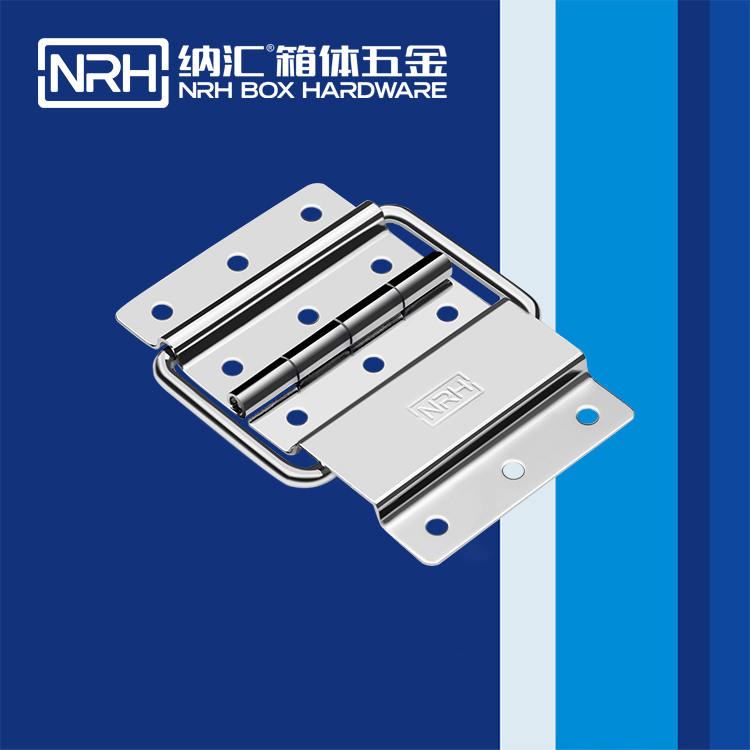
Figure 4: 8131-70 support hinge provides 90-degree stay function for aluminum case lids. (Image source: NRH Box Hardware)
8131-70 Series – Support Hinge
- Material: Stainless Steel
- Finish: Vibratory
- Key Features: Available in support-type, 1-piece, and T-type configurations. Provides controlled lid opening with a stay function. Holds the lid at a set angle (typically 90 degrees).
- Mounting: Rivets, screws, or spot welding based on hole pattern
- Applications: Wooden cases, heavy equipment, marine equipment, doors, tool cases, medical cases, insulated cases, machinery, instruments
Roto-Molded Cases: Flat Hinge (8201-50 Series)
The 8201-50 is a flat hinge (also called packing case hinge or wood case hinge) used on roto-molded cases.
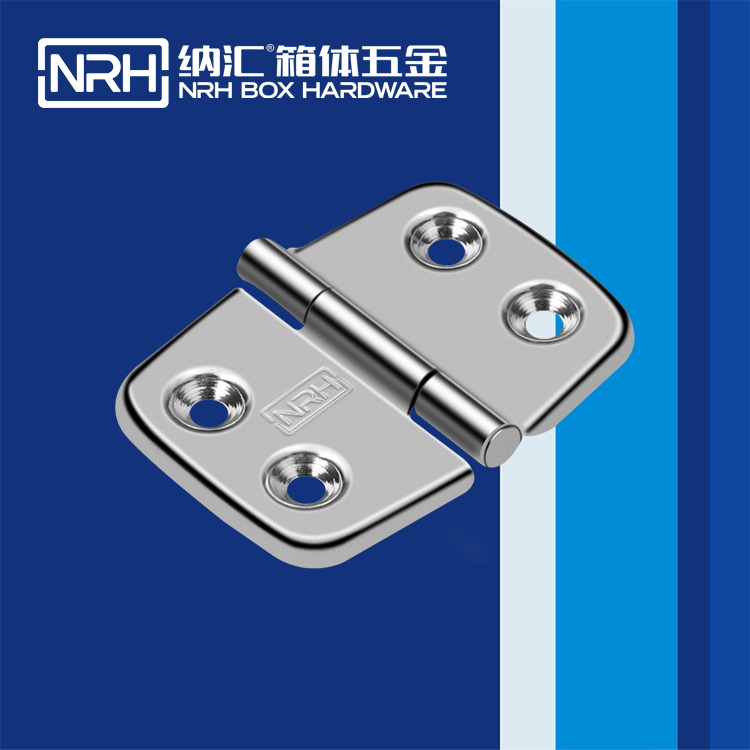
Figure 5: 8201-50 flat hinge provides standard opening and closing for roto-molded lids. Note: This hinge does NOT provide support or stay function. (Image source: NRH Box Hardware)
8201-50 Series – Flat Hinge
- Material: Iron or Stainless Steel
- Finish: Mirror Polished, Chrome Plated, Brushed, Color Coating
- Key Features: Flat hinge design for lid mounting. 304 stainless steel construction for indoor and outdoor corrosion resistance. Deburred and polished surface finish.
- Mounting: Rivets, screws, or spot welding based on hole pattern
- Applications: Medical cases, flight cases, heavy-duty cases, fire equipment cases, trunk cases, wooden cases
Note: The 8201-50 is a flat hinge – a standard hinge that opens and closes without any support or stay function. It does NOT provide lid support. If lid support or a stay function is required, it must be provided by other hardware such as support hinges or gas struts.
Corner Protection: Aluminum vs. Roto-Molded
Aluminum Cases: Ball Corner (7101 Series)
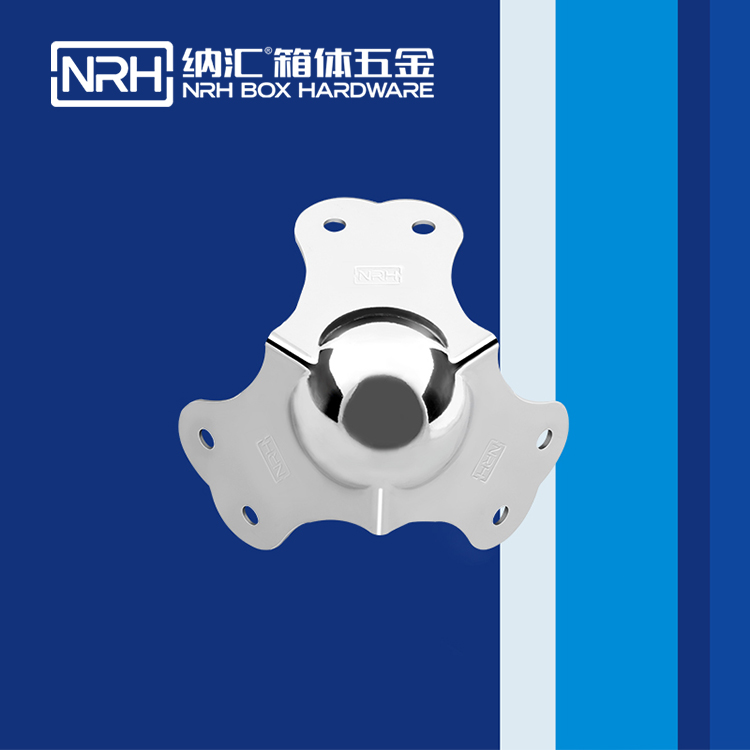
Figure 6: 7101 series ball corner provides impact protection and structural rigidity for aluminum cases. (Image source: NRH Box Hardware)
7101 Series – Ball Corner
- Material: Iron
- Finish: Chrome Plated
- Key Features: Domed ball design for integrated edge-to-edge protection. Connects the case body to the panel surface, providing structural rigidity at the corners. Chrome plating provides a polished, aesthetic finish.
- Mounting: Rivets, screws, or spot welding based on hole pattern
- Applications: Flight cases, military cases, aluminum cases, tool cases, instrument cases, guitar cases, medical cases, insulated cases
- Available Sub-Models: 7101-40, 7101-46, 7101-47-1, 7101-53-1, 7101-66-2, 7101-66-3
Note on 7201-50: The 7201-50 is a flat corner (not a ball corner). It has flat surfaces on all sides and is used for panel connection rather than impact protection. For ball corners with impact protection, specify the 7101 series.
Roto-Molded Cases: No Additional Corner Protection Required
Roto-molded cases do not require additional corner protection. The roto-molding process naturally produces thicker material at corners due to material flow and cooling characteristics. The corners are approximately 15-20% thicker than the flat panel sections. This inherent reinforcement provides sufficient impact protection without additional hardware.
Roto-molded cases use D-rings or tie-down anchors as needed for securing the case during transport. These mount directly to the flat plastic surface with bolt-through fastening and large washers.
Selection Reference Table
| Category | Aluminum Case | Roto-Molded Case |
|---|---|---|
| Mounting Method | Rivets / Threaded Inserts / Self-Tapping Screws | Bolt-Through + Washers / Pre-Molded Inserts / Well-Nuts |
| Latch Type | Draw Latch (5101-96 Series) | Butterfly Latch (6324 Series) |
| Handle Type | Folding Spring Handle (4201-110) | Spring Handle (4213 Series) |
| Hinge Type | Support Hinge (8131-70 Series) | Flat Hinge (8201-50 Series) |
| Corner Protection | Ball Corner (7101 Series) | Not Required (Molded-in) |
| Key Principle | Rigid structure, rivet mounting, compact design | Flexible structure, load distribution, through-bolting |
Key Takeaways
- Aluminum cases require draw latches (5101-96 series) and folding spring handles (4201-110). Rivet mounting is standard. Support hinges (8131-70) provide lid stay function. Ball corners (7101 series) are required for impact protection at structural weak points.
- Roto-molded cases require butterfly latches (6324 series) and spring handles (4213 series). Bolt-through mounting with large washers or pre-molded inserts is the reliable method. Flat hinges (8201-50 series) provide lid opening and closing without support function. No corner protection is required.
- Mounting method is the critical difference. Aluminum uses rivets or screws directly into rigid material. Roto-molded requires load distribution through washers or pre-molded inserts.
- Always match hardware to the case construction. Mixing hardware types typically leads to premature failure – loose latches, stripped threads, or pull-through damage.
- Material and finish choices depend on the environment. Stainless steel is recommended for outdoor, marine, and high-humidity applications. Chrome or painted finishes are suitable for indoor use.
Frequently Asked Questions
What is the difference between a draw latch and a butterfly latch?
A draw latch (also called a toggle latch) uses an over-center mechanism to pull the lid tight against the case body. A butterfly latch uses a rotary shaft mechanism with large and small gears to extend and retract the locking tongue. Butterfly latches are commonly used on roto-molded cases because they provide smooth operation and accommodate slight shell flex.
Why do roto-molded cases use bolt-through mounting instead of rivets?
Roto-molded plastic shells flex under load. Rivets concentrate force on a small area and eventually pull through the plastic. Bolt-through fasteners with large washers spread the load across a larger surface area, preventing pull-through and stress cracking.
What happens if I use the wrong fastener type?
Rivets in plastic pull out. Self-tapping screws in thin aluminum strip threads. Either failure mode leads to loose hardware, broken seals, and potential content damage. Always match the fastener to the substrate material.
Does a roto-molded case need corner protectors?
No. The roto-molding process naturally produces thicker material at corners (approximately 15-20% thicker than flat sections). This inherent reinforcement provides sufficient impact protection without additional hardware.
Is 4201-110 surface-mounted or recessed-mounted?
The 4201-110 is surface-mounted. It attaches directly to the outside of the case panel using rivets, screws, or spot welding. It does not require cutting a recessed pocket in the case panel. The “flush” appearance is achieved by the handle design folding flat, not by routing the handle into the panel.
Does the 8201-50 flat hinge provide support or stay function?
No. The 8201-50 is a flat hinge that provides standard opening and closing without any support or stay function. If lid support or a stay function is required, it must be provided by other hardware such as support hinges or gas struts.
Can I use a draw latch on a roto-molded case?
Draw latches (5101 series) are listed in NRH product information for multiple case types including roto-molded cases, insulated cases, and heavy-duty cases. The selection depends on the specific application requirements including vibration, load, and mounting surface. For flexible plastic shells that flex significantly during closing, spring-loaded latches (5103 series) are also used.
What size hardware do I need for my case?
Hardware size is selected based on case dimensions and load requirements. For smaller cases, use compact models. For larger cases, select larger models with higher load ratings. Always verify mounting hole patterns against the case panel.
Need help choosing? Whether you are building aluminum cases, roto-molded cases, or need a complete hardware kit, NRH can help you find the right products. Contact the team for technical support and product selection guidance:
TEL & WhatsApp & WeChat: +86 180 1797 5137
E-MAIL: nrh-gz@nrh.cn
ADD: Room 1703-1704, Zhongji Building, No. 819 Yinxiang Road, Nanxiang Town, Jiading District, Shanghai, China